How Long Does Vegan Cheese Last? Vegan cheese has become a popular alternative with the increasing vegan and plant-based nutrition trends in recent years. However, unlike traditional versions of cheese, vegan cheese may have some questions about its durability. So, how long does vegan cheese last?
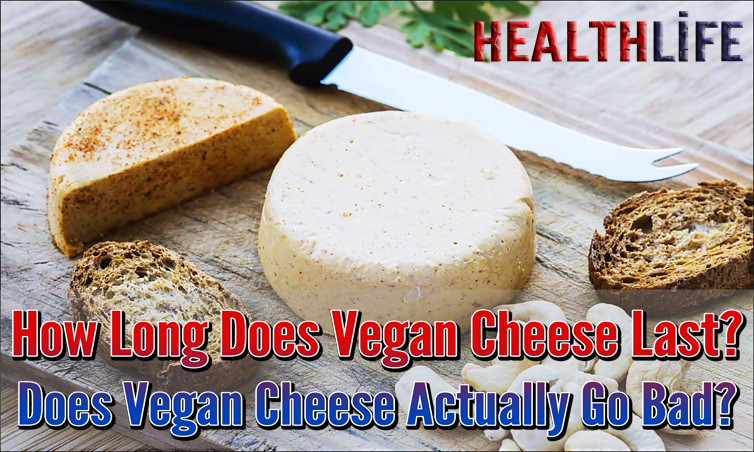
The durability of vegan cheese depends on the materials used in the production process and storage conditions. It is usually produced using ingredients such as vegetable oils, whey powder made from vegetable protein, and natural flavor additives. These ingredients can affect the durability of vegan cheese. Storage conditions are also among the important factors that determine the lifespan of vegan cheese. Most vegan cheeses should be stored in the cold chain. When properly stored in the refrigerator, it can usually stay fresh for 1 to 2 weeks. However, it is always important to consider the usage time recommended by the manufacturer. Additionally, limiting vegan cheese’s exposure to air after opening can also help it last longer.
The durability of vegan cheese may vary depending on brands and varieties. Some vegan cheeses may last longer, while others may have a shorter shelf life. It is important to check the storage instructions and expiration date on the product label provided by the manufacturer. The durability of vegan cheese varies depending on the method of production, ingredients and storage conditions. Generally, these cheeses can stay fresh for 1 to 2 weeks with the right storage methods. However, as with any product, it is best to follow the instructions provided by the manufacturer and pay attention to the expiration date.
Innovative Vegan Cheeses: Delicious Alternatives or Just a Trend?
In recent years, there has been a huge increase in the popularity of the vegan diet. However, the biggest challenge for traditional cheese lovers has been finding delicious alternatives that are compatible with a vegan diet. However, there are now more and more innovative and diverse vegan cheese options available on the market.
Vegan cheeses are cheese alternatives that are made from plant-based ingredients and do not contain animal products. These vegan options are often made from plant sources like soy, almonds, hazelnuts, coconut oil or pea protein. Emerging technology and creative entrepreneurs are working to offer vegan options that are very close to traditional cheeses in both taste and consistency. Innovative vegan cheeses have also taken a big step forward in offering their own unique flavor profiles rather than mimicking the taste of real cheeses. For example, vegan versions of various types of cheese such as kasar, cheddar, mozzarella or Parmesan are now frequently found on the shelves. There are also a variety of vegan cheeses available that are spicy, spiced or herbed-packed. These options enrich the dining experience by offering a wide variety of flavors for those who prefer a vegan diet.
Whether innovative vegan cheeses are just a trend or a permanent alternative is a controversial issue. However, more and more people are interested in a vegan lifestyle, considering health and environmental factors. Vegan cheeses are the perfect transition point for those who want to give up animal products. Additionally, they have the potential to reduce ethical issues associated with milk production. Innovative vegan cheeses are emerging as an option that can replace traditional cheeses as well as providing delicious alternatives. For those who want to stick to a vegan diet, these cheeses offer an enjoyable experience without abandoning their taste buds. If you are considering a vegan lifestyle, tasting a variety of innovative vegan cheeses is definitely worth a try!
The Effects of Vegan Cheese on Our Nutrition: Is It a Healthy Choice?
Nowadays, many people who want to make changes in our eating habits have started to prefer vegan cheese. Vegan cheese is a type of cheese that is produced from plant-based ingredients as an alternative to dairy products and does not contain animal ingredients. In this article, we will examine the effects of vegan cheese on our nutrition and whether it is a healthy choice.
One of the main reasons why many people choose vegan cheese is its health benefits. Vegan cheese is generally known for its low fat content and cholesterol-free content. Additionally, plant-based cheeses can be rich in fiber, vitamins and minerals. These may have positive effects in areas such as heart health and weight control. However, it is not true to say that vegan cheese is always a healthy option. Some commercial brands may use processed and additive-containing ingredients when producing vegan cheese. This means some vegan cheeses may be high in sodium or sugar. Therefore, it is important to read labels carefully when shopping and choose those with natural ingredients. At the same time, we should not ignore other factors of vegan cheese in our diet. Because vegan cheese is usually made from plant-based protein sources, it may be lacking in nutrients such as calcium and B12. Therefore, it is important for people following a vegan diet to obtain these nutrients from other sources. It is also recommended to plan your diet depending on your individual needs and health condition.
Vegan cheese can be a healthy option, but it’s important to remember that it all depends on your nutritional goals and needs. When choosing vegan cheese as a healthy option, it is important to choose quality brands and ensure balance. You should make the most suitable choice for yourself, taking into account the diversity of your diet and choosing local, fresh products.
Vegan Cheese: Can It Compete with Animal Dairy Products?
Vegan cheese stands out as an alternative that has gained popularity in recent years and is produced without using animal-derived ingredients. But can it offer an experience equivalent to traditional cheese consumption by humans? Here’s more information about vegan cheese’s potential to compete with animal dairy products:
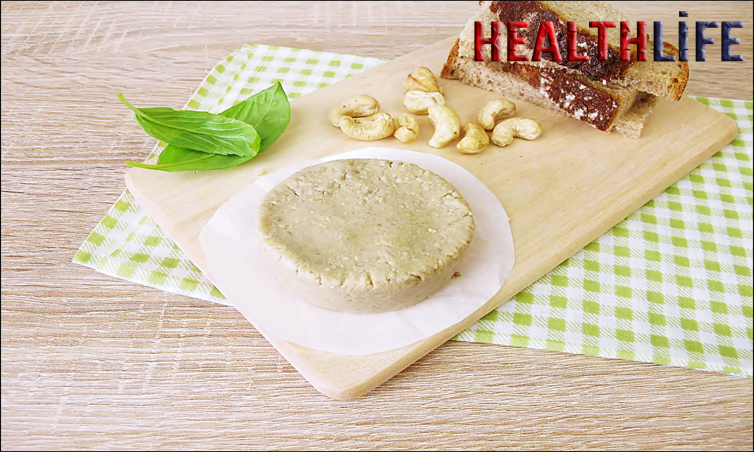
Vegan cheese is a product derived from plant-based ingredients. It is usually based on milk made from plants such as almond, soy, coconut, hazelnut or pea. These plant milks are fermented to reach a cheese-like consistency. Because vegan cheese does not contain lactose, it is a great option for people who are lactose intolerant or prefer a plant-based diet. Thanks to technological advances and improved formulations, vegan cheeses now offer a more realistic experience in terms of texture, flavor and melting properties. Some brands specially formulate their vegan cheeses to provide a taste and texture similar to animal-based cheeses. Thus, vegan cheese lovers can experience a taste like traditional cheese.
The variety of vegan cheeses is increasing day by day. There are vegan options with different flavors such as parmesan, mozzarella, cheddar and tulum cheese. There are also vegan cheese varieties available that are enhanced by adding spices, herbs or other natural flavorings. This way, a rich range of options are offered that appeal to a variety of taste preferences.
However, vegan cheese also has some limitations. For example, the characteristic aroma and smell of traditional cheeses may not be fully captured in vegan cheeses. Additionally, the melting properties of vegan cheeses may sometimes not be as successful as animal cheeses. Vegan cheeses have the potential to compete with animal dairy products. Thanks to technological advancements and formulation improvements, vegan cheeses are becoming more and more realistic. However, it should be noted that vegan cheese may not offer the exact same experience as animal dairy products, as everyone’s individual preferences and tastes are different. Vegan cheese can be an excellent option as a plant-based alternative, but it can be difficult to say that it suits everyone’s tastes and preferences.
Eco-friendly Vegan Cheese Production: Doesn’t It Harm Nature and Animals?
Cheese has an indispensable place in the diet of many people. However, traditional cheese production processes can deplete natural resources and harm animals. Therefore, vegan cheese production, which adopts an approach that is sensitive to the environment and animal welfare, is becoming increasingly popular.
Vegan cheese production is achieved using plant-based ingredients instead of milk. These ingredients are usually derived from plants such as soy, almond, coconut oil or hazelnuts. Problems such as exploitation of animals and overuse of natural resources, as in the dairy industry, are eliminated in this method. Additionally, plant-based cheeses are generally cholesterol-free and lactose-free, making them preferable for people with heart health and digestive problems. From an ecological perspective, vegan cheese production is a more sustainable option. Traditional cheese production requires large amounts of water, energy and land. However, for plant-based cheeses, these sources are consumed less. Additionally, environmental pollution caused by animal waste is also reduced. With vegan cheese production, environmental impacts such as greenhouse gas emissions and water pollution can be significantly reduced.
From an animal welfare perspective, vegan cheese production eliminates the direct use of animals. Animal welfare issues with this method are eliminated as cows are exploited to continuously milk milk for traditional cheese production. Plant-based cheese production offers an approach that considers the quality of life and rights of animals. Eco-friendly vegan cheese production is an option that minimizes the risk of harm to nature and animals. Made with plant-based ingredients, these cheeses combine environmental awareness, animal welfare and a healthy diet. Considering all this, choosing vegan cheese production is an important step both at the individual and social levels.
In the content of our article about How Long Does Vegan Cheese Last?, you can find detailed practical information about how long does vegan cheese last, which we have prepared for you, our valued friends, and share it with your friends and inform them about our page.
For your questions and complaints, you can write to us in the comments section. We are trying to help you with all your problems.
Our other recommendation link that may attract your attention; How Long Do Tomatoes Last?