How Long Will the World Oil Reserve Last? World oil reserves are important as a critical resource to meet today’s energy needs. However, the fact that these reserves are limited and there is a risk of depletion should not be ignored. Therefore, “How long will the world oil reserves last?” The question is a very important issue.
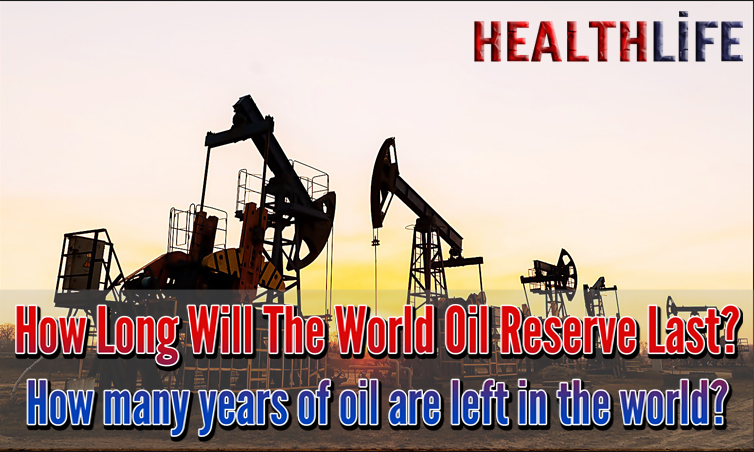
Oil is a widely used fuel source in the energy sector. It is known that oil is used extensively in many areas, from automobiles to industrial production, from electricity generation to heating systems. However, this increase in demand and decrease in reserves may create a major challenge in oil supply in the future. Experts have different opinions about how long the world’s oil reserves will last. Several factors are the main factors that determine this period. These include the amount of available reserves, the daily production rate, the possible rate of new discoveries and the development of alternative energy sources.
First of all, the amount of available reserves should be taken into account. Petroleum reserves refer to the estimated amount of certain oil resources found underground. These reserves constantly change with the amount of oil discovered and extracted. However, it should not be forgotten that reserves are limited and the risk of depletion increases day by day. Daily production rate is also an important factor. The demand for oil is constantly increasing, causing reserves to be depleted faster. If the daily consumption rate is faster than the refill rate of reserves, this will shorten the duration of oil reserves. Additionally, the discovery of new oil reserves may also affect the current reserve duration. New discoveries can increase reserves and respond to future demand. However, there has been a significant decrease in the number of new large-scale oil discoveries in recent years.
Finally, the development and use of alternative energy sources has the potential to reduce oil demand. The importance of alternative sources such as solar energy, wind energy and nuclear energy is increasing. This could reduce dependence on oil and extend the longevity of reserves. How long the world’s oil reserves will last is a complex issue. Factors such as the amount of existing reserves, daily production rate, possible rate of new discoveries and the development of alternative energy sources affect this period. Therefore, sustainable energy policies and investing in alternative sources will be important in meeting future energy demands. Considering the fact that oil is a limited resource, more sustainable and environmentally friendly solutions should be explored in the energy sector.
Is the Oil Crisis Approaching? Are World Oil Reserves Heading into Dangerous Waters?
In recent years, an alarming situation seems to have emerged in the world’s oil reserves. The strategic importance of oil in the international arena, the increase in energy demand and climate change concerns raise the possibility of the oil crisis becoming a reality in the near future. In this article, the current status of world oil reserves and possible future dangers will be discussed.
Nowadays, energy demand is constantly increasing and this demand is largely based on fossil fuels. However, world oil reserves are limited and at risk of depletion. Many experts think that as the rate of use of existing reserves increases, oil supply may not meet demand in the coming years. This may lead to an increase in oil prices on a global scale, imbalances in energy markets and economic impacts. Additionally, climate change concerns may deepen the oil crisis. Governments and international organizations are increasing their efforts to reduce carbon emissions and transition to clean energy sources. These efforts could reduce demand for fossil fuels and negatively impact the oil industry. The value of oil reserves may decrease, which may leave countries in an economically difficult situation.
With the approaching oil crisis, energy security and investment in alternative energy sources are gaining importance. Great progress is being made in the renewable energy sector and innovative solutions are being developed to achieve independence from fossil fuels. However, it is necessary to adopt more sustainable energy policies globally and take steps towards energy efficiency. World oil reserves appear to be heading into dangerous waters. The increase in energy demand, limited reserves at risk of depletion and climate change concerns make the oil crisis inevitable. Therefore, it is important to revise energy policies, increase investments in alternative energy sources and develop sustainable energy solutions. Dealing with the oil crisis requires global cooperation and determination.
Energy Saving in the Future: Will It Bring an End to Oil?
The fact that energy resources are limited directs humanity to save energy in the future. In this context, with the decrease in oil reserves and the increase in environmental concerns, major changes are expected in the energy sector in the future. So, will this accelerating energy-saving trend lead to the destruction of the oil industry?
Energy efficiency practices are becoming increasingly common. Innovations are being made in many areas, from smart home systems to the conversion of automobiles to electric vehicles to reduce energy use. However, it is thought that energy saving efforts could significantly reduce oil demand. However, there is no conclusive evidence that the change in the energy sector will completely eliminate the oil industry. Oil still plays a vital role in areas such as industry, transportation and energy production. However, the transition to renewable energy sources instead of fossil fuels is accelerating. The use of energy resources such as solar, wind and hydroelectricity is increasing.
Investments in renewable energy sources stand out as an alternative option to meet energy needs in the future. However, the oil industry is still an important part of large companies and economies. In the energy transition process, employment and economic impacts should be taken into account. Although the energy saving trend will affect the oil industry in the future, we can say that it is not a factor that will lead to its complete end. Although renewable energy sources will replace oil in the process of change in the energy sector, it will still continue to play an important role in areas such as transportation, industry and energy production. Together with energy savings and renewable energy investments, we can move towards a more sustainable and environmentally friendly energy future.
The World’s Oil Addiction: What Are the Economic and Environmental Risks?
Oil is one of the main energy sources of modern industrial society. However, the world’s dependence on oil is fraught with economic and environmental risks. In this article, we will examine the effects of oil on the economy and the environment and focus on the potential risks posed by this dependence.
From an economic perspective, oil price volatility has major impacts on the global economy. Sudden increases in oil prices may increase energy costs and cause production costs to rise. This can narrow companies’ profit margins and increase the cost of daily living, which can be passed on to consumers. Additionally, there are geopolitical risks for countries that are dependent on foreign oil. Political tensions or crises can disrupt oil supplies and lead to energy security issues. From an environmental perspective, the use of oil causes serious problems such as climate change and environmental pollution. The burning of fossil fuels contributes to global warming by increasing greenhouse gas emissions. Additionally, environmental disasters may occur during oil drilling and production. Events such as spills or marine accidents can seriously impact marine ecosystems and coastal areas. Deforestation for oil exploration also causes biodiversity loss.
Reducing oil dependence and encouraging the use of alternative energy sources can mitigate these risks. Investing in renewable energy sources provides a more economically sustainable future and reduces environmental risks. Improving energy efficiency can also reduce oil demand and improve energy security. The world’s oil addiction leads to economic and environmental risks. In addition to economic risks such as price volatility, geopolitical tensions and energy security issues, there are also environmental risks such as climate change, environmental pollution and biodiversity loss. However, these risks can be reduced and a more sustainable energy future can be built with investments in renewable energy sources and energy efficiency.
Transformation with New Energy Sources: Are We Witnessing the End of the Time of Oil?
Oil has been used as the main energy source in the world economy for many years. However, recently, there has been a major transformation towards new energy sources due to environmental and sustainability concerns. Does this mean that oil’s time is over?
Greenhouse gas emissions from traditional energy sources cause global problems such as climate change. Therefore, the demand for renewable energy sources is increasing rapidly. Clean sources such as solar energy, wind energy and hydroelectric energy are increasingly preferred. These new energy sources are part of an energy transition aimed at achieving sustainability goals.
The oil industry is affected by this transformation process. The environmental damage caused by fossil fuels and the decrease in fossil fuel reserves make the future of oil controversial. However, it would be wrong to say that oil is still an important part of the world economy. Many sectors are still dependent on oil-based energy and alternative energy sources have not yet been fully replaced. The development of new energy sources is promising. Factors such as technological advances, decreasing solar panel costs and increasing efficiency of wind turbines are helping renewable energy become competitive. However, challenges such as energy storage, network integration and infrastructure need to be overcome.
We are in the process of transformation with new energy sources, but it cannot be said that the time of oil is completely over. The oil industry still operates on a large scale and the energy transition does not provide a seamless transition. However, environmental and sustainability concerns increase the demand for new energy sources and investments in this field are gaining momentum. Although alternative energy sources will replace oil in our energy portfolio in the future, this process will take time and face great challenges.
In the content of our article about How Long Will the World Oil Reserve Last, you can find practical information about how long the world oil reserve lasts, which we prepared for you, our dear friends, and share it with your friends and inform them about our page.
For your questions and complaints, you can write to us in the comments section. We are trying to help you with all your problems.
Our other recommendation link that may attract your attention; How Long Does The BioNTech Vaccine Last?