What Are The Symptoms Of Foot And Mouth Disease? Who gets foot and mouth disease?, What is foot and mouth disease? We have prepared some information about you in our article.
What Are The Symptoms Of Foot And Mouth Disease? Who Gets Foot and Mouth Disease?
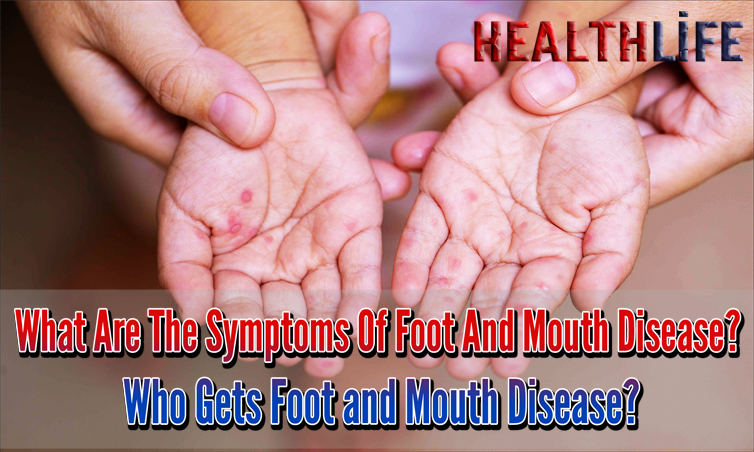
A highly contagious viral infection that can be seen in cloven-hoofed animals, including domestic animals, is called foot-and-mouth disease. In the content of our article, which we have prepared for you, our valued friends, you can find and learn detailed answers to questions about what is foot and mouth disease? and who gets foot and mouth disease?. So What are the symptoms of foot and mouth disease?
Foot and mouth disease is caused by aphthovirus, which belongs to the picornaviridae family. Aphthovirus has 7 different types, namely type O, A, C, SAT1, SAT2, SAT3 and Asia, and more than 60 subspecies. Each species has different characteristics and distribution areas. For this reason, immunity against one species does not provide protection against other species. Different vaccines need to be vaccinated against each type. Foot and mouth virus can easily be transmitted to healthy animals through direct inhalation or indirectly by contact with surfaces contaminated with the virus. The main way of transmission of the disease is through inhalation of droplets in the air.
People who care for animals may also come into contact with animals with inadequately sterilized equipment or clothing, which may cause the virus to be transmitted to healthy animals. Foot and mouth disease is a disease that generally infects animals and can cause death in animals. However, some studies show that the virus can rarely infect children, older people and people with weak immune systems. You can find more detailed information about the symptoms of foot and mouth disease by continuing our article.
Who Gets Foot and Mouth Disease?
FMD Symptoms
– Heart disease, especially in young animals,
– Increased respiratory rate or difficulty breathing,
– Fluffy feathers,
– Decreased milk production and depression in dairy cows,
– Lameness,
– Reluctance to move,
– Increased salivation,
– Sores on the tongue, palate and breast,
– Vesicular, that is, fluid-filled lesions in the mouth and feet,
– High fever that lasts for 2 to 3 days.
The symptoms of foot and mouth disease vary depending on factors such as the type of virus, the breed of the affected animal, the way the virus is transmitted, and the level of exposure to the virus. While the disease is milder in sheep and goats, symptoms may be more pronounced in cattle. Foot-and-mouth disease is an infectious disease caused by viruses that occurs in cloven-hoofed animals. It is stated that the viruses that cause foot-and-mouth disease have many subtypes and can easily mutate, and that the disease may be transmitted to humans over time. However, the rare occurrence of the virus in people who have close contact with animals indicates that the risk of foot and mouth disease in humans is low.
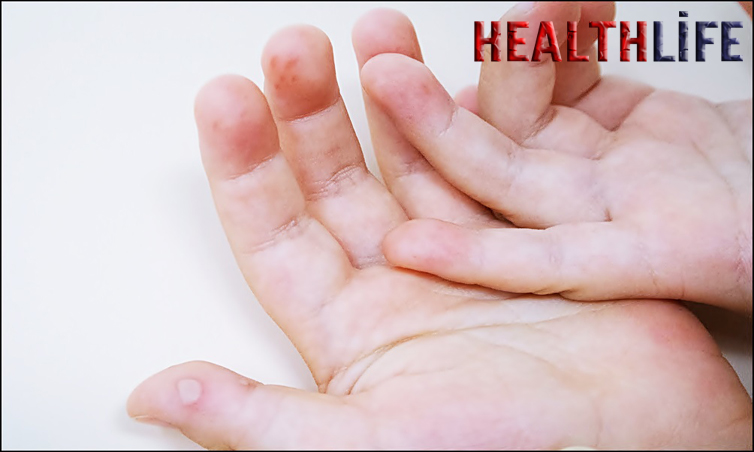
However, foot and mouth disease can be encountered, although rarely, in individuals whose immune system is weak for various reasons, the elderly and children. After people become infected with FMD, the first symptoms usually appear within 2 to 6 days. Symptoms in humans; It is similar to cold or flu symptoms.
Symptoms of FMD in Humans
– Numbness, tingling and blisters in the hands,
– Blisters around the mouth and on the tongue,
– Sore throat,
– High fever.
The symptoms of foot and mouth disease in humans are generally mild and disappear on their own within a few days. Research shows that the disease is not transmitted from person to person. However, it is stated that people diagnosed with FMD should avoid close contact with other people due to the easy mutation of the virus.
How is FMD Treated?
Currently, there is no specific treatment method for foot and mouth disease. For this reason, experts state that the disease should be controlled and prevented as a priority. In some cases, treatments can be applied to relieve symptoms related to the disease. However, what is important in controlling the disease is the isolation of infected animals from other animals. However, today there are various vaccines that help prevent foot and mouth disease.
In areas where the disease is common, regular vaccination can help prevent the disease. It is important to follow hygiene rules to prevent the spread of the disease. People who care for animals can help prevent the spread of the disease by regularly sterilizing their clothes, shoes and equipment.
What Are The Symptoms Of FMD, if you have questions about our article about what are the symptoms of Foot and Mouth Disease, you can ask us in the comments section or on our social networks. You can inform your friends about our article about what are the symptoms of foot and mouth disease by sharing our page with them so that they can also be informed.
For your questions and complaints, you can write to us in the comments section. We are trying to help you with all your problems.
Our other recommendation link that may attract your attention; What Are The Symptoms Of Helicobacter Pylori?