What Are The Causes Of Acne On Legs? How to cure leg acne?, What is good for leg acne? We have compiled some curious information about you.
What Are The Causes Of Acne On Legs? How to Get Rid of Acne on Legs?
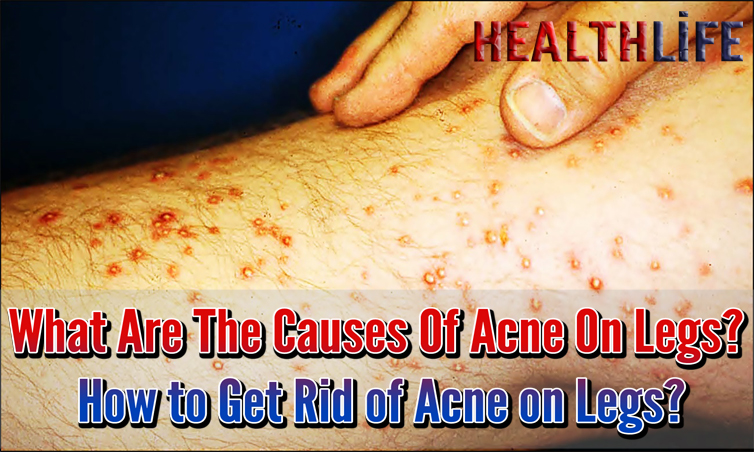
Although many people struggle with acne on their face, there are many areas where these inflamed bumps can take up residence. It is extraordinary that you occasionally encounter acne in the upper body area, such as the hips, back, legs and shoulders, where oil glands are densely located. In the content of our article, you, our dear friends, can find detailed answers to the questions “What is good for leg acne?” and “How to get rid of leg acne?” So What are the causes of leg acne?
A combination of sebum, the natural oil produced by the skin, bacteria, and dead skin cells clog pores, creating blackheads and then inflammatory acne. The oilier your skin, the higher your risk of acne. However, even people with dry skin type may experience acne from time to time.
Pimples are typically red or white in color, can be itchy and painful when touched. Although they can be annoying, in most cases they only last a few days even if you do nothing to make them go away. While it is possible for both men and women to develop actual acne on their legs, it is more common for conditions that can lead to acne-like bumps, such as hives, folliculitis, and keratosis pilaris. By continuing our article, you can access and learn more detailed information about the causes of leg acne.
What is Good for Leg Acne?
Causes of Leg Acne
What is Hives? How to Treat Hives?
Hives can often be confused with acne due to their itchy, raised and red appearance. This skin condition, also known as urticaria, can be found anywhere on the body, including the legs. They usually appear suddenly. You may develop hives in response to certain allergens or for unknown reasons. Hives vary in size and may cluster together in large plaques to form larger areas. It usually lasts from a few hours to a full day before it fades away. It is not contagious and in most cases it goes away on its own within a few hours or after 24 hours at the latest.
It’s usually not serious unless other symptoms occur along with the hives. However, if the redness and blisters are recurring and do not go away for a long time, you should be examined by a dermatologist. After the necessary tests, your physician can prescribe antihistamine medications and make various recommendations.
What is Keratosis Pilaris? How to Treat Keratosis?
Similar to a pimple-like bump, the easiest way to describe this skin condition is as a chicken-skin appearance. It creates an appearance on your skin like goosebumps when you get cold or a rough chicken skin-like appearance. Keratosis pilaris, which is genetically inherited from family history, is harmless and does not cause pain. The only negative aspect is the rough appearance it creates on the skin. Although the exact cause is unknown, it is thought to occur because the protein called keratin, which forms a protective layer on the skin surface, accumulates in the skin pores for an unknown reason. It is more common in young people and children. Its severity may decrease with advancing age or it may go away on its own.
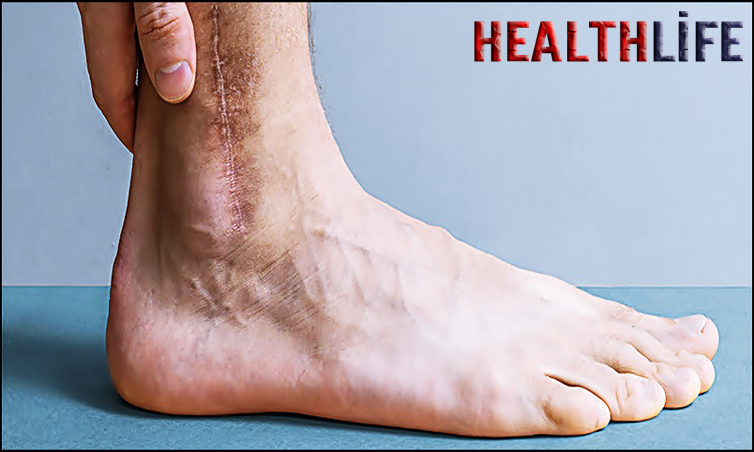
There is no definitive and 100% effective treatment for keratosis pilaris. If its rough appearance is not taken into account, it does not need to be treated. If you still have problems, do not forget to moisturize your skin after the shower. You can choose products containing lanolin, glycerin or petroleum jelly. Keeping your skin soft can help prevent keratin buildup. You can choose over-the-counter creams containing lactic acid, adapalene, alpha hydroxy acid or salicylic acid.
How to Get Rid of Leg Acne?
What is Folliculitis? How to Treat Folliculitis?
Folliculitis is a fancy way of saying inflamed hair follicle. It is the primary culprit of inflamed lumps in the legs, hips, groin area and armpit. When an object constantly rubs against the skin, hair follicles or skin pores can become clogged with sweat residue and dead skin cells. As friction continues, the pores become more irritated and inflamed. Shaving unwanted hair with a razor, being obese, and excessive sweat between the legs or other areas predispose to folliculitis.
Symptoms of Hair Follicle Inflammation on the Leg
– Small red or white bumps around the hair follicles,
– Swelling and irritation,
– Sensitivity to touch, itching or slight burning sensation.
The majority of hair follicle inflammations resolve spontaneously without the need for additional treatment. In rare cases, it can turn into a more serious infection and require treatment. You can choose soaps, creams or shower gels that contain benzoyl peroxide. Applying warm compresses and applying hydrocortisone creams can help soothe the area and reduce inflammation. Small bumps on your legs may be real acne or folliculitis. Whatever the reason, you don’t have to worry about it. To get rid of them, you just need some time. The acne on your legs will probably go away on its own within a few days.
Things to Pay Attention to in Acne on Legs
– If you suffer from frequent leg acne, see a dermatologist. Your physician will prescribe topical or oral antibiotics.
– Wash your legs twice a day with antibacterial soap.
– To provide relief, wet a cloth in warm water and make a compress.
– You can use it by purchasing an acne cream that contains tretinoin, such as tretinoin cream.
– Try cleansers containing salicylic acid, glycolic acid or benzoyl peroxide.
– Add 1 teaspoon of salt to 1 glass of water and wipe your legs.
– To reduce friction, choose wide trousers or tights instead of tight ones.
What are the Causes of Leg Acne, if you have questions about our article on what are the causes of leg acne, you can ask us in the comments section or on our social networks. You can inform your friends about our article about what are the causes of leg acne by sharing our page with them so that they can also be informed.
For your questions and complaints, you can write to us in the comments section. We are trying to help you with all your problems.
Our other recommendation link that may attract your attention; What Are The Symptoms Of Arterial Occlusion?