What Are The Symptoms Of Tetanus Disease? How Does Tetanus Start? How is Tetanus Cured? Some information you need to know about it.
What Are The Symptoms Of Tetanus Disease? How Does Tetanus Start? How is Tetanus Cured?
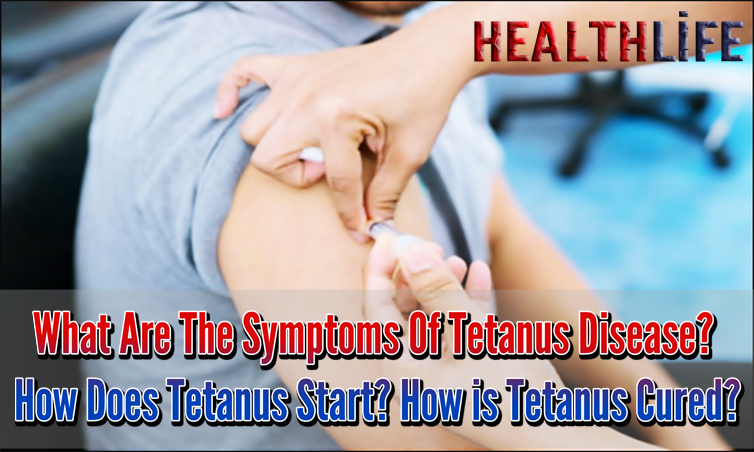
Tetanus is an infectious disease caused by the entry into the body of a bacterium called clostridium tetani, which produces toxins that cause muscle contractions. In the content of our article, which we have prepared for you, our dear friends, you can find detailed answers to the questions about How is tetanus cured? and How does tetanus begin?. So What are the symptoms of tetanus disease?
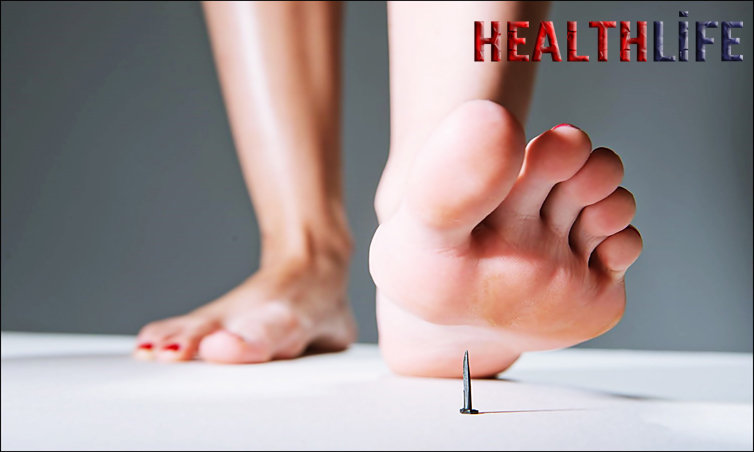
Tetanus, which affects the central nervous system as well as the neck and jaw muscles, can lead to fatal consequences. Clostridium tetani bacteria enter the body through wound cuts caused by products such as nails and needles, or through the natural structure in the environment such as dust, soil or fertilizer, and begin to produce toxins that cause painful muscle contractions. Tetanus, also known as jaw locking, causes locking in the neck and jaw muscles and makes it difficult to open the mouth. At the same time, tetanus disease can cause life-threatening risks by affecting the patient’s respiratory system.
Symptoms of tetanus disease usually occur approximately 7 to 10 days after the infection enters the body. However, sometimes this period may be longer. Conditions such as stiffness in the jaw muscles, difficulty in swallowing, spasms and stiffness in the back or neck are among the common symptoms of tetanus. In some patients, contractions occur very strongly and can make the patient’s entire body tense like a spring. The medical history of the patient is important for diagnosing tetanus disease. You can find more detailed information about the symptoms of tetanus by continuing our article.
Does Tetanus Go Away On Its Own?
Symptoms Of Tetanus Disease
– Increase in heart rate,
– Spasms that occur in mild stimulating situations,
– Blood pressure changes and increased heart rate,
– Sensitivity to stimuli such as touch,
– Bloody defecation,
– Backward bending of the spine,
– Fever and sweating,
– Seizures,
– Muscle stiffness in almost every part of the body,
– Difficulty in swallowing,
– Difficulty in breathing,
– Sudden and involuntary muscle contractions,
– Jaw spasms that make it difficult to open the jaw.
Types Of Tetanus
– Localized tetanus,
– Cerebral tetanus,
– Neonatal tetanus,
– Generalized tetanus.
Tetanus patients must receive treatment in a hospital. Patients are immediately administered human tetanus immunoglobulin and tetanus vaccine. Tetanus immunoglobulin and vaccine are administered at separate sites and with different injectors. Tetanus does not leave immunity. A full tetanus vaccine immunization scheme is also applied to patients suffering from tetanus. When tetanus is suspected, detailed wound cleaning and care is performed. The bacteria that causes tetanus is cleared from that area.
Tetanus vaccine contains tetanus toxoid, a similar version of the disease-causing toxin of the clostridium tetani bacterium that does not cause disease but creates immunity. Tetanus vaccine is one of the most powerful immune-producing vaccines. Drugs that control muscle contractions caused by tetanus are preferred. In this case, the patient may need to be monitored in intensive care conditions. Antibiotics can be used to heal wound infection and kill clostridium tetani bacteria.
What are the Symptoms of Tetanus Disease, if you have questions about our article about what are the symptoms of tetanus disease, you can ask us in the comments section or on our social networks. What are the symptoms of tetanus disease? You can inform your friends about our article about what are the symptoms of tetanus disease by sharing our page with them so that they can also be informed.
For your questions and complaints, you can write to us in the comments section. We are trying to help you with all your problems.
Our other recommendation link that may attract your attention; What Are The Side Effects Of Tetanus Vaccine?