What Are The Symptoms Of Pancreatic Tail Cancer? We have compiled some information you need to know about pancreatic tail cancer, what is pancreatic tail cancer?
What Are The Symptoms Of Pancreatic Tail Cancer? Pancreatic tail cancer

The type of malignant tumor that occurs in the tail of the pancreas is called pancreatic tail cancer. In the content of our article, you, our valued friends, can find detailed answers to the questions What is pancreatic tail cancer? and Is pancreatic tail cancer treated? So What are the symptoms of pancreatic tail cancer?
Almost 10% to 15% of pancreatic tumors develop in the tail of the pancreas. Pancreatic tail tumors are generally not noticed until they become large, and this can lead to a worse course of disease than tumors in the head of the gland. The thin, pear-shaped gland between the stomach and the spine in the abdominal region is called the pancreas. The tail of the pancreas is the last section of the gland. It is the area where some special tumors can develop. Tumors that develop in the tail of the pancreas are generally diagnosed later and can be more difficult to treat. You can access more detailed information about the symptoms of pancreatic tail cancer by continuing our article.
How is Pancreatic Tail Cancer Treated?
Pancreatic Tail Cancer Symptoms
– Abdominal pain,
– Back pain,
– Unexplained weight loss.
Pancreatic tumor symptoms may vary depending on the size and location of the mass. These symptoms can be seen in individuals with advanced pancreatic tail masses. However, symptoms are usually not evident in the early stages. This usually causes tumors in the tail region of the pancreas to be diagnosed later. A pancreatic tail mass is defined as a growth or mass in the tail region of the pancreas. These masses can be benign or cancerous. Pancreatic tail tumors tend not to show symptoms in the early stages, which can lead to late diagnosis. Benign cysts, especially mucinous cystic neoplasms, are more common in the tail of the pancreas.
Risk factors generally include obesity, smoking, chronic pancreatitis, type 2 diabetes, and a family history of pancreatic cancer. Genetic mutations and some syndromes may also increase the risk.
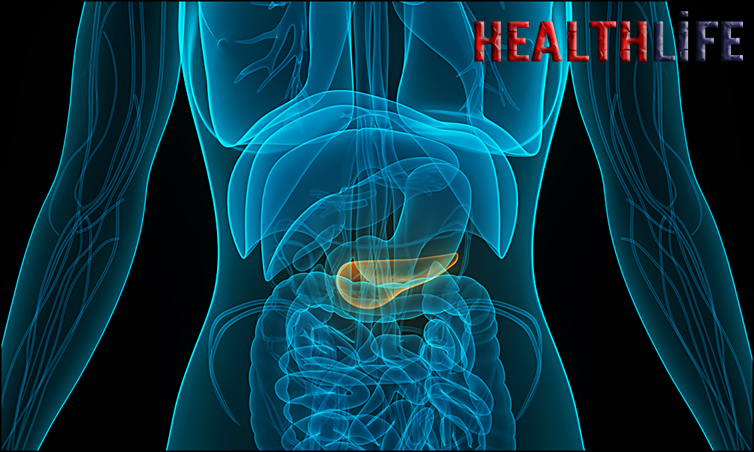
The treatment of pancreatic tail cancer tumors varies according to the size and stage of the mass, the general health of the patient and their preferences. Treatment plans include surgical removal of the tumor, chemotherapy, and radiation therapy. Minimally invasive surgical methods such as laparoscopic enucleation are also preferred. The disease processes of individuals with pancreatic tail masses may vary. For all stages of pancreatic cancer, the 5-year relative survival rate has been determined as 12% as of 2023. Studies are ongoing to increase this rate. New treatment methods and early diagnosis help increase this rate. In advanced stages, pancreatic tail tumors can cause back or abdominal pain and unexplained weight loss. Patients experiencing these symptoms should seek medical attention. Early diagnosis can increase the success of treatment.
What Were the Symptoms of Pancreatic Tail Cancerr, if you have questions about our article on what are the symptoms of pancreatic tail cancer, you can ask us in the comments section or on our social networks. You can share our page on what are the symptoms of pancreatic tail cancer with your friends so that they can also be informed, and you can inform your friends about our article on what are the symptoms of pancreatic tail cancer.
For your questions and complaints, you can write to us in the comments section. We are trying to help you with all your problems.
Our other recommendation link that may attract your attention; How To Understand Bile Duct Obstruction?