Who Can Have Coronary Bypass Surgery? What is Coronary Bypass?, Coronary bypass surgery process, we have organized some information you are curious about in our article.
Who Can Have Coronary Bypass Surgery? What is Coronary Bypass?
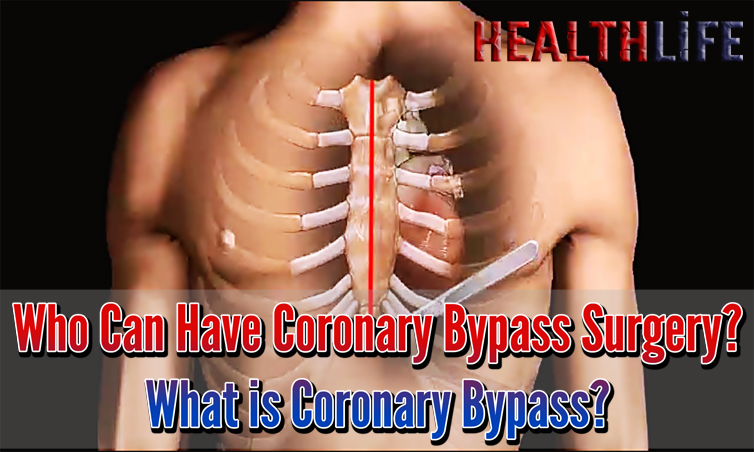
Coronary bypass is the surgical treatment technique preferred to bypass narrowed and blocked coronary arteries and provide sufficient blood flow to the heart muscle. With this method, it is aimed for the heart muscle to receive sufficient oxygen and nutrients. In the content of our article, you can access detailed answers to the questions we have prepared for you, our valued friends, about the coronary bypass surgery process and what is coronary bypass? So who is coronary bypass performed for?
Coronary bypass surgery is generally considered in cases where the heart muscle cannot receive sufficient oxygen and nutrients due to plaque accumulation and narrowing. This disease is generally associated with the condition called atherosclerosis. Stable angina is the condition in which the heart experiences chest pain during a certain activity. Surgery can be considered in patients whose symptoms cannot be controlled despite treatment and lifestyle changes. Acute coronary syndrome is a condition in which sudden and serious blockages occur in the coronary arteries. If the patient has symptoms of acute myocardial infarction, i.e. heart attack, or unstable angina, i.e. unstable angina, emergency bypass surgery can be performed. If there is narrowing or blockage in more than one coronary artery, surgery may be recommended. In this case, bypassing more than one vessel can increase the effectiveness of the surgery. Angioplasty, i.e. stent placement, which is performed to open narrowing or blockages in the coronary arteries, may not yield sufficient results in some cases. In such cases, coronary bypass surgery may be considered. Some patients are not suitable for other treatment techniques. For example; There are no suitable vessels for angioplasty. In these cases, surgery may be preferred. You can reach more detailed information about who can have coronary bypass by continuing our article.
What is the Coronary Bypass Surgery Process?
Why Does Coronary Bypass Happen?
The most common cause of coronary bypass is atherosclerosis. It causes the arteries to narrow and harden due to the accumulation of cholesterol, fat and other substances on the artery walls. Smoking can accelerate the accumulation of plaque on the walls of the arteries and cause the arteries to narrow. High blood pressure can damage the arteries and facilitate the formation of plaque. High cholesterol levels can contribute to the accumulation of plaque in the arteries. Being overweight and not exercising regularly can increase the risk of the disease. Diabetes is the riskiest disease that can damage the heart vessels and lead to the disease.
Coronary Bypass Surgery Process
Before coronary bypass surgery, the patient’s general health status is evaluated and the condition of the heart vessels is determined. The necessary triggers are applied and the suitability for surgery is evaluated. The patient is informed about the pre-operative instructions and preparations. General anesthesia is given during the surgery. In this way, the patient is asleep and the surgery is performed painlessly. Anesthesia is preferred to keep the patient’s heart functions and breathing under control.
Before the surgery begins, the patient’s rib cage is opened and the breastbone is cut so that the heart can be seen. This opening is also known as cardiac surgery. After the heart is stopped, blood is circulated in the body using a device called a cardiopulmonary machine. This device replaces the heart and provides blood circulation. In this way, doctors perform the surgery safely. In coronary bypass surgery, narrowed or blocked areas of the coronary arteries are bypassed by using another vessel in the body. The vessels to be used as bypass grafts are determined depending on the patient’s condition and the doctor’s preference. After the bypass procedure is completed, the cardiopulmonary machine is turned off and the heart starts working again. Heart function and blood circulation become normal again. When the surgery is completed, the rib cage is closed.
Is Coronary Bypass Surgery Risky?
At the end of the surgery, the patient is monitored for a while in the intensive care unit and the recovery process begins. In the post-operative period, the patient’s heart function and general health status are closely monitored. Coronary bypass surgery, like all surgeries, carries certain risks. However, with modern medicine and surgical techniques, this surgery is generally performed successfully by an expert and experienced surgical team. Risks vary depending on factors such as the patient’s general health status, other accompanying diseases, age and the experience of the center where the surgery will be performed.
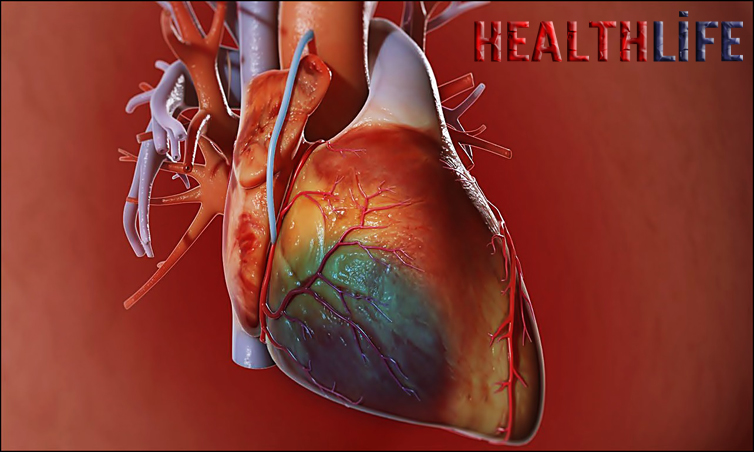
Coronary bypass surgery is an important treatment option for patients with serious heart disease. Successful results are obtained in many patients. However, in order to minimize the risks of surgery and to achieve positive results, the selection of a specialist surgeon and a well-equipped hospital to perform the surgery, careful evaluation of the patient’s health status and appropriate care and treatment in the post-operative period are also very important.
Coronary Bypass Surgery Risks
– The vessels to be used for bypass may be damaged and their functions may decrease.
– Wound healing problems may occur after surgery. This risk may increase especially in individuals with chronic diseases such as diabetes.
– Permanent nerve damage may occur due to nerve damage.
– Respiratory problems such as fluid accumulation in the lungs or respiratory tract infections may develop.
– Pumps preferred during surgery and manipulation of heart arteries may rarely damage cerebral vessels and increase the risk of stroke.
– There is a rare risk of heart attack during or after surgery.
– Heart rhythm disorders may occur.
– After coronary bypass, the heart muscle may weaken or in some cases heart failure may develop.
– Since general anesthesia is used, complications related to anesthesia may occur. For example; Allergic reactions or respiratory problems.
– Bleeding may occur during or after surgery. The risk of bleeding is related to the skill of the surgical team and the patient’s blood clotting ability.
– After surgery, infection may develop in the surgical area. This risk can be reduced with appropriate hygiene and sterilization measures.
Who is Coronary Bypass Performed, the lifespan of the vessels that have undergone coronary bypass surgery is about 30 years. If you have questions about our article on who is coronary bypass performed, you can ask us in the comments section or on our social networks. You can share our page on who is coronary bypass performed with your friends so that they can be informed, and you can inform your friends about our article on who is coronary bypass performed.
For your questions and complaints, you can write to us in the comments section. We are trying to help you with all your problems.
Our other recommendation link that may attract your attention; What Are The Symptoms Of Premenstrual Syndrome?