At What Stage Is Dialysis Started? Which Patients Start Dialysis? Which Diseases Require Dialysis?, We have compiled some information about it in detail.
At What Stage Is Dialysis Started? Which Patients Start Dialysis?

Patients whose kidneys do not work sufficiently are individuals who need treatment. Dialysis is a treatment technique that helps to perform kidney functions by cleaning waste and excess water in the body. In the content of our article, you, our valued friends, can find detailed answers to the questions Which disease requires dialysis? and Which patients undergo dialysis? So At what stage do you undergo dialysis?
Dialysis is performed by patients whose kidneys do not function adequately for a long time and cannot adequately remove waste materials and water from the body. Chronic renal failure is a progressive and permanent decrease in kidney function. In the event that the kidneys suddenly lose their function, patients can temporarily enter a dialysis device. It usually occurs due to trauma, infections, severe drug poisoning or other diseases. Rare cases may require entering a dialysis device. Patients who enter for treatment can receive treatment at dialysis centers or, in some cases, at home. People with underlying diseases such as diabetes or hypertension, people at risk of kidney disease, and patients waiting for kidney transplantation can also enter. However, there may be customized treatment plans and approaches for each patient. Individuals who need this condition should be evaluated by their specialist doctors and dialysis specialists. You can reach more detailed information about the stage at which dialysis is started by continuing our article.
Which Patients Require Dialysis?
In Which Situations Do You Undergo Dialysis?
Dialysis and its side effects may vary from patient to patient. There are also some side effects of the treatment. Common side effects on patients include;
– Low blood pressure,
– Cramps,
– Nausea,
– Vomiting,
– Headache,
– Weakness,
– Fatigue,
– Muscle weakness,
– Appetite changes,
– Blood clots,
– Infections,
– Anemia,
– Protein loss.
During dialysis, the decrease in the fluid level in the body can cause sudden drops in blood pressure. This situation manifests itself with symptoms such as weakness, dizziness and fainting. Dialysis can cause muscle cramps by changing the fluid and electrolyte balance in the body. Nausea and vomiting may occur in some patients during or after treatment. Headaches and weakness may result from electrolyte imbalances in the body. Treatment can cause fatigue and exhaustion in some patients. Muscle loss and weakness may develop due to this device. Treatment can reduce or increase appetite. The catheters and the machine used during treatment can increase the risk of blood clots. During the procedure, the entry areas of the catheters or dialysis line become vulnerable to infections. The risk of anemia increases in patients. Because the kidneys normally contribute to the production of red blood cells. Some of the proteins in the body can also be excreted, which can cause protein deficiency.
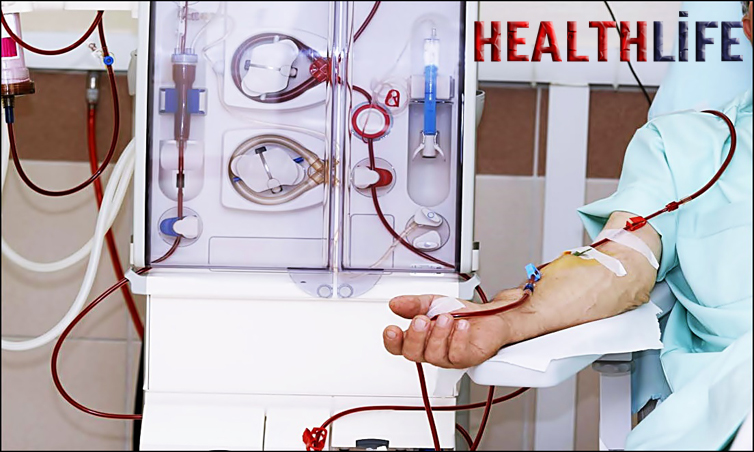
The healthcare personnel administering the treatment take appropriate precautions to reduce or manage these side effects and strive to ensure the comfort of the patient. Therefore, it is very important for dialysis patients to be in regular contact with their doctors throughout the treatment process and to report any side effects or discomfort immediately.
How Does the Dialysis Recovery Process Work?
The recovery process of patients varies depending on the individual’s current condition, cause, underlying health conditions and other factors. There are factors that the recovery process of patients undergoing dialysis depends on. These factors include;
– Reason for the need for dialysis,
– General health status of the patient,
– Type,
– Frequency,
– Adherence to treatment,
– Complications.
Due to different reasons such as diabetes, high blood pressure, kidney inflammation, the healing processes of sick people may vary. The patient’s lifestyle, eating habits and other health conditions can also affect the healing process. Different techniques such as hemodialysis and peritoneal dialysis can affect the healing process. The frequency of treatment can determine how regularly the patient supports their kidney functions. The patient’s compliance with the treatment is among the important factors affecting the healing process. Going to dialysis regularly and adjusting their lifestyle in accordance with the directions of the health team positively affects the healing process. Other complications such as diabetes, heart diseases and other health problems can affect the healing process. The management of complications can also be very important.
At What Stage Do You Start Dialysis, regularly complying with the treatment and the directions of the health personnel can positively affect the healing process of the sick people and increase their quality of life. If you have questions about our article on which stage dialysis is started, you can ask us in the comments section or on our social networks. You can share our page on which stage dialysis is started with your friends so that they can also be informed, and you can inform your friends about our article on which stage dialysis is started with.
For your questions and complaints, you can write to us in the comments section. We are trying to help you with all your problems.
Our other recommendation link that may attract your attention; What Are The Symptoms Of Spiral Infection?