What Are The Symptoms Of Colles Fracture? How is Colles Fracture Treated?, What is Colles Fracture? We have compiled some information you need to know about it in our article.
What Are The Symptoms Of Colles Fracture? How is Colles Fracture Treated?
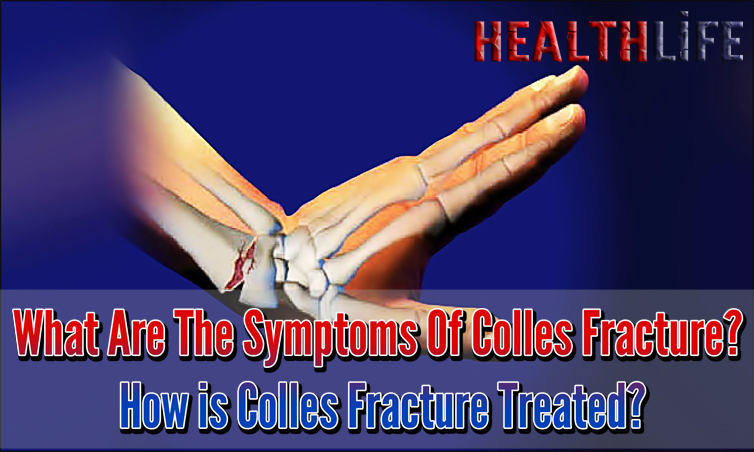
The fracture of the lower end of the wrist bone, called the radlus, is called a Colles fracture. In the medical literature, it is known as radius distal end fracture. In the content of our article, for you, our dear friends, what is colles fracture? and how is colles fracture treated? We have prepared detailed answers to your questions. So What are the symptoms of Colles fracture?
Other names for Colles’ fracture are radius distal end fracture, fork ridge deformity, and transverse radial fracture. The radius is the larger of the two bones in the forearm. It is located on the thumb side. The most commonly broken bone in the forearm is the radius bone. In a Colles fracture, the lower end of the radius bone where it articulates with the wrist is broken. The broken bone fragment is angled towards the dorsal side of the hand. This fracture is generally seen in the elderly and children. The bones of the elderly are fragile and the bones of children are still not hard enough. Distal radius fracture can be diagnosed in a short time. It can be treated successfully with various treatment methods. Since the wrist joint is used very frequently, its healing may be delayed.
You should pay attention to your doctor’s recommendations. Colles’ fracture was described by Irish surgeon and anatomist Abraham Colles in 1814. It is mainly caused by falling on the open hand. It is a fracture of the lower end of the radius bone. Structural deformity occurs in the wrist area. The wrist angles outward. It is a very painful bone fracture. Moving the hand is quite painful. Severe pain and bruising occur in the upper part of the thumb. You can find detailed information about Colles fracture symptoms by continuing our article.
Is Colles Fracture Treated?
Colles’ Fracture Symptoms
– Deformed wrist shape,
– Sensitivity,
– Bruising,
– Swelling in the wrist,
– Severe pain.
The symptoms of a Colles fracture are similar to other types of fractures. Symptoms of the fracture appear in the wrist. The right or left wrist area above the thumb is where the symptoms are seen. The severity of symptoms may vary depending on the type and level of the fracture. Colles fracture has its own deformity. This condition is called fork ridge deformity.
Causes of Colles Fracture
Colles fracture is one of the most common fracture types. The most common type of distal radius fractures is the Colles fracture. Other radius distal end fractures; Barton fracture, Chauffer fracture and Smith fracture. Colles fracture usually occurs when falling on an outstretched hand. It can also occur as a result of car, bicycle or ski accidents. When you fall, you use your hands to protect yourself. This may cause a fall on the open hand, which may lead to a Colles fracture. This is the most common mechanism of fracture. Traumas are generally encountered in young people between the ages of 18 and 25. Colles fractures are common in this age group. Elderly people with more fragile bones, children with soft bones, and women with osteoporosis are other major risk groups. It should be known that Colles’ fracture occurs due to falling on an open hand. You should have an adequate and balanced diet, pay attention to the rules while doing sports, and protect yourself from trauma.
Who Gets Colles’ Fracture Most Commonly?
– Insufficient calcium and vitamin D intake,
– Falling on hands in children,
– Doing activities such as roller skating and skiing,
– Walking on snow or ice,
– People with low muscle mass and weak muscle strength,
– Elderly individuals,
– Osteoporosis patients.
The place where Colles fracture occurs is the lower end of the radius bone. During the diagnosis phase, your physician will determine the exact location of the fracture and how it occurred. Fracture of the lower end of the radius bone can occur in different ways. There may be several types depending on the line and characteristics of the fracture.
What are the Types of Colles Fractures?
– Extra-articular fracture,
– Intra-articular fracture,
– Partial fracture,
– Closed fracture,
– Open fracture.
Extra-articular fracture; It is a lower end radius fracture that does not open into the joint. It is the most easily treated type of fracture. Intra-articular fracture; If the fracture at the lower end of the radius is opened into the joint, it is an intra-articular fracture. It is the most serious type of Colles fracture. Partial fracture; Fractures are usually in two pieces. Fractures that break into more than two pieces are considered comminuted fractures. Closed fracture; If the fracture ends are inside the skin, it is a closed fracture. It is the most common type of Colles fracture. Open fracture; If the fracture ends open outward from the skin, this is an open lower radius fracture.
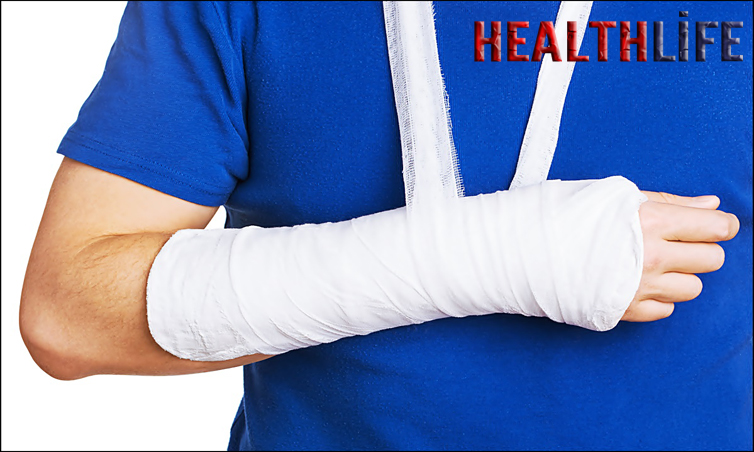
The Colles fracture treatment plan consists of moving the broken bone ends to the right place and keeping them there until the bones heal. There are many ways to bring the bone ends together and keep them there. Which method to use is determined by some factors. These factors; The activities that the patient does with the wrist are the patient’s age, whether the fracture opens into the joint, whether it is a comminuted fracture, and the level of injury.
How Long Does It Take for a Colles Fracture to Heal?
With the influence of all these factors, your physician determines the treatment plan. If the bone ends are in a good position and there is no displacement, a cast or splint is applied until the bone heals. Splint or cast treatment is more frequently preferred in those with less pain, in those whose bone ends are not separated, and in individuals who are not very active. While your wrist is in a cast, your doctor may ask you to have x-rays taken at intervals to monitor the healing process. Casting usually takes 6 weeks.
What are the Symptoms of Colles Fracture, treatment of Colles fracture is conservative. After the closed irradiation, long arm cast fixation is applied with the forearm in pronation. After 3 to 4 weeks, a short arm cast is applied and the elbow is released. In order to prevent joint stiffness in the elderly, short-arm plaster cast is recommended. In adults, the fracture heals in 6 to 8 weeks. If you have questions about our article, what are the symptoms of Colles fracture, you can ask us in the comments section or on our social networks. What are the symptoms of Colles fracture? You can share our page with your friends so that they can be informed, and you can inform your friends about our article about what are the symptoms of Colles fracture.
For your questions and complaints, you can write to us in the comments section. We are trying to help you with all your problems.
Our other recommendation link that may attract your attention; What Causes The Constant Desire To Sleep?