How Are Diaphragm Disorders Treated? We have compiled some information about Diaphragm Disorders Causes, Diaphragm Disorders Symptoms.
How Are Diaphragm Disorders Treated? Diaphragm Disorders Causes
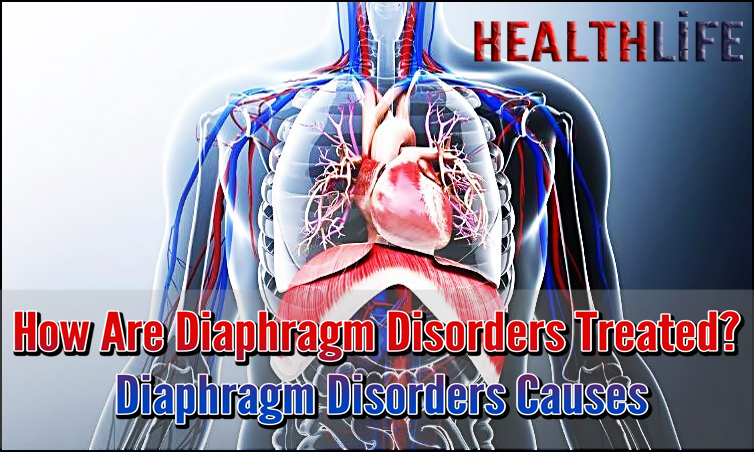
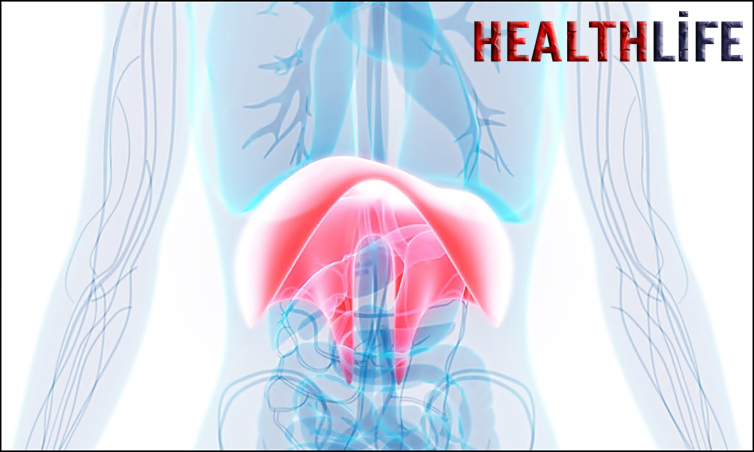
The structure that separates the chest and abdominal cavities and also helps with respiratory movements with its muscular structure is called the diaphragm. In the content of our article, you, our valuable friends, can find detailed answers to the questions of diaphragm disorders symptoms and diaphragm disorders causes. So How are diaphragm disorders treated?
Congenital or acquired problems in the diaphragm can disrupt the functioning of many functions, especially breathing. There are some problems that can be encountered in the diaphragm. The main ones are; Congenital diaphragmatic hernia, Acquired or traumatic diaphragmatic hernia, Gastric hernia, Diaphragmatic tumor and diaphragmatic paralysis. The nerve that controls diaphragm movements is called the phrenic nerve. In phrenic nerve injuries, one or both sides of the diaphragm can be paralyzed. This situation endangers respiratory functions.
The diaphragm is a very rare region where tumors are seen, however, the tumors of the diaphragm itself are generally benign. However, metastases of malignant tumors, especially of the liver and lungs, can be seen in the diaphragm. There is a natural opening on the diaphragm that allows the esophagus to pass into the abdominal cavity. A portion of the stomach passes into the chest cavity using this natural opening. As a result of traumatic events such as blunt injuries, stab wounds, and gunshot wounds, a hole in the diaphragm can cause the digestive organs to enter the chest cavity and put pressure on the lungs, preventing breathing. A structural defect in the diaphragm before birth causes the baby’s digestive organs to enter the chest cavity. The lungs are pressed by the organs passing into the chest cavity, which causes respiratory problems. You can access more detailed information about the causes of diaphragm disorders by continuing to our article.
What Causes Diaphragm Disorders?
Causes of Diaphragm Disorders
– Congenital diaphragmatic hernia,
– Hiatal hernia,
– Acquired or traumatic diaphragmatic hernia,
– Diaphragmatic paralysis.
Symptoms of Diaphragm Disorders
The symptoms of diaphragmatic disorders vary depending on the type of problem. In babies with congenital diaphragmatic hernia, the distance in which the lungs can develop is quite limited due to the passage of the digestive organs into the chest cavity. This prevents the lungs from developing sufficiently. Severe respiratory distress in babies manifests itself with symptoms such as bruising. Acquired or traumatic diaphragmatic hernia symptoms include; Rapid heartbeat, cyanosis, difficult and rapid breathing. Symptoms of a hiatal hernia include chest pain, heartburn, belching, painful swallowing, a bitter taste in the mouth, and regurgitation. Symptoms of a diaphragmatic tumor include low oxygen levels, difficulty breathing, chest, shoulder, or abdominal pain, and difficulty breathing. Symptoms of diaphragmatic paralysis include shortness of breath while lying on your back, at rest, or in water.
In diagnosing diaphragmatic disorders, your doctor may suspect diaphragmatic disorders by performing a physical examination after listening to your complaints and taking your medical history. Some tests may be requested to confirm the diagnosis, determine the level of the disease, and create treatment options. These are;
– Ultrasound,
– Lung X-ray,
– Computerized tomography,
– Respiratory function tests,
– Electromyography,
– Phrenic nerve stimulation test,
– Arterial blood gas.
Can Diaphragm Disorders Be Treated?
The treatments applied for diaphragm disorders vary depending on the type of disorder. There are only medication and surgical options. For the treatment of congenital diaphragmatic hernia, the digestive organs that protrude into the chest cavity are brought down into the abdominal cavity and the diaphragm is repaired with surgery. For the treatment of acquired or traumatic diaphragmatic hernia, the tear in the diaphragm is repaired with surgery. For the treatment of a hiatal hernia, you can make some lifestyle changes such as avoiding certain foods and not wearing clothes that are too tight around the waist in order to reduce the reflux caused by the hiatal hernia, and you should use some medications that regulate stomach acidity, as recommended by your doctor.
In some cases, surgical operations are also recommended. In the treatment of diaphragm tumors, treatment options such as surgery, chemotherapy and radiotherapy are preferred. For the treatment of diaphragm paralysis, no intervention may be planned in some patients who do not have any symptoms, findings or complaints. In addition, a surgical intervention called diaphragmatic plication can prevent the paralyzed diaphragm from being pulled into the chest cavity during breathing.
How Are Diaphragm Disorders Treated, frequently preferred surgeries to be applied to the chest cavity or abdominal cavity can be performed by placing a battery on the diaphragm to provide movement of the diaphragm. In some advanced cases, respiratory support is a part of the treatment. If you have questions about our article on how are diaphragm disorders treated, you can ask us in the comments section or on our social networks. You can share our page on how are diaphragm disorders treated with your friends so that they can be informed, and you can inform your friends about our article on how are diaphragm disorders treated.
For your questions and complaints, you can write to us in the comments section. We are trying to help you with all your problems.
Our other recommendation link that may attract your attention; What Are The Symptoms Of High Diaphragm?