How To Understand If Asthma Is Allergic? What Causes Allergic Asthma?, We have compiled some information you need to know about allergic asthma symptoms in our article.
How To Understand If Asthma Is Allergic? What Causes Allergic Asthma?
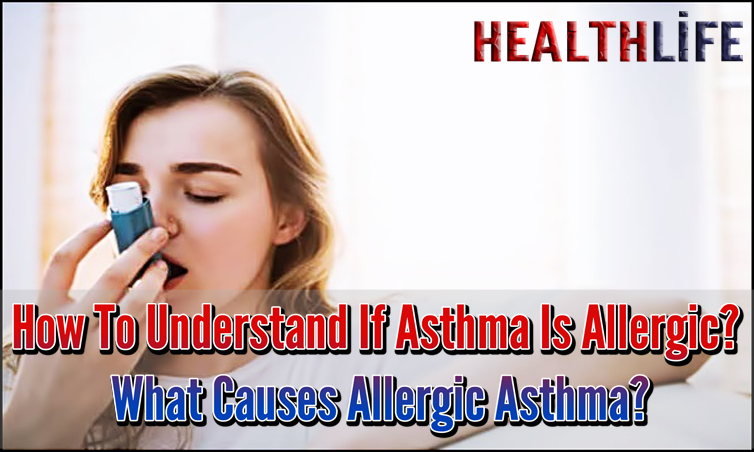
Asthma is a non-microbial chronic lung disease. The airways of asthmatic patients are more sensitive than normal, and various triggering factors such as allergens, cigarette smoke, odors, colds, flu, and upper respiratory tract diseases narrow, making breathing difficult. In the content of our article, you, our valued friends, can find detailed answers to the questions allergic asthma symptoms and what causes allergic asthma? So how is asthma understood to be allergic?
Genetic factors are effective in asthma. Environmental factors can also trigger asthma. Patients with allergic asthma are individuals who are genetically born with an allergic constitution. Factors that trigger allergies actually trigger allergic asthma. Pollens that appear in the spring months, all kinds of odors, dust, humidity, fungal spores and mold are factors. Stress, air pollution, smoke, and air blown by air conditioners are also triggers of allergic asthma. The most important thing here is which organ the allergy will show itself in. It can affect the respiratory tract, lungs, skin or eyes. The organ where the allergy will occur in allergic individuals may change. Types of allergies may also change shape over time. You can reach more detailed information about the causes of allergic asthma by continuing our article.
What Causes Allergic Asthma?
Allergic Asthma Symptoms
– Chest pain or a feeling of pressure in the chest,
– A whistling sound while breathing,
– Wheezing,
– Shortness of breath,
– Dry cough attacks.
99% of asthma patients have an allergic constitution. They react differently than normal people when they encounter an allergen. Bronchial spasms occur and the bronchi narrow at home. These constrictions cause allergic asthma symptoms. Along with asthma, allergic rhinitis symptoms such as watery eyes, runny nose, sneezing, itchy throat, and postnasal drip may also occur. In the diagnosis of allergic asthma, a chest X-ray is examined, a respiratory function test is performed, and if the doctor deems it necessary, allergy tests are performed. The patient’s history is also very important for diagnosis.

Allergic asthma is a chronic disease. The most important factor in the treatment of asthma is for the patient to stay away from the environments that bother them. Whatever bothers the individual the most; smell, pollen, smoke and dust, etc. should be well protected from these allergens. In this way, the allergy can pass into sleep. There are inhaled drugs called rescue drugs used in crisis moments and also drugs that should be used regularly. Doctors decide on the duration of use of all these drugs and in which periods they will be used according to the patient’s symptoms and course. If there is a spring allergy and allergic asthma flares up in the spring, the individual should use inhaled drugs regularly.
Is It Possible to Protect Yourself from Allergens?
Some foods can trigger asthma. Allergens taken in through the respiratory tract affect allergic asthma more. Factors such as house dust mites, humidity and mold can also increase the complaints of allergic asthma patients at home. You should not be outdoors for a long time and do not do sports between 5 and 10 in the morning when pollen is most intense. During these hours, the house should not be ventilated. When coming from outside, clothes should be changed and hair should be washed. Pollen filters should be installed in air conditioners. Eyes should be protected with glasses. These precautions should definitely be applied to protect against spring allergies and allergic asthma attacks.
How to Understand Allergic Asthma, in allergic asthma reliever medication treatment, medications provide relief from cough and shortness of breath by dilating the bronchi. Reliever medications should only be used for 1 to 2 weeks during periods of cough, wheezing in the lungs and shortness of breath, until the complaints pass. If you have questions about our article on how to understand allergic asthma, you can ask us in the comments section or on our social networks. You can share our page on how to understand allergic asthma with your friends so that they can be informed, and you can inform your friends about our article on how to understand allergic asthma.
For your questions and complaints, you can write to us in the comments section. We are trying to help you with all your problems.
Our other recommendation link that may attract your attention; How To Get Rid Of Bakers Cyst?