How To Understand Asthma In Children? What are the Symptoms of Asthma in Children?, How is asthma treated in children? Here is some information you need to know.
How To Understand Asthma In Children? What are the Symptoms of Asthma in Children?
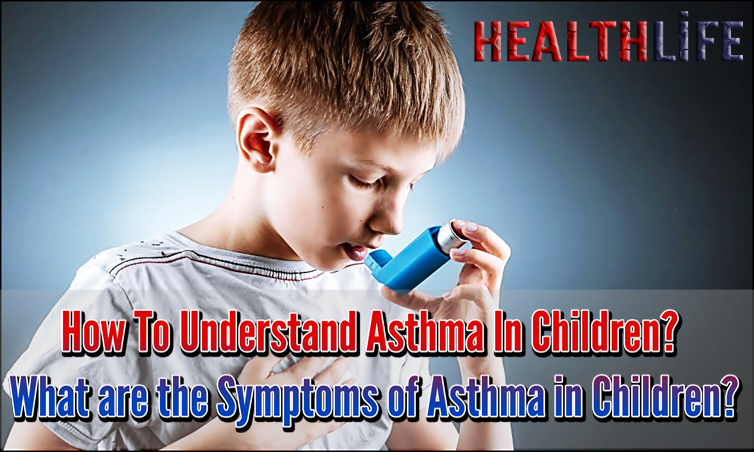
Asthma occurs when the airways in the lungs swell due to some factors and the walls of these airways narrow. Asthma is thought to be caused by a mixture of hereditary and environmental factors. In the content of our article, you can find detailed answers to the questions What are the symptoms of asthma in children? and How is asthma treated in children? for our valuable friends. So How is asthma in children diagnosed?
Inside the lungs, there are airways that are made up of flexible tissues and branch out like a tree. The airways are surrounded by muscle bands. These airways divide and narrow as they move through the lungs. The smallest airways at the end end in clusters of small balloon-like air sacs. These clusters are surrounded by blood vessels. When you breathe in, air enters the lungs. It moves through the air sacs until it reaches them. When you breathe out, air moves out of the airways and lungs. The airways produce mucus that traps particles in the breath you take. Normally, mucus is expelled from the lungs by tiny hairs in the airways. In asthma, the walls of these airways thicken, the muscles around them contract, and excessive mucus is produced, making it difficult for the individual to breathe. You can read more about asthma symptoms in children by continuing on to our article.
How is Asthma Treated in Children?
Asthma Symptoms in Children
– Feelings of weakness or fatigue,
– Less energy during play,
– Pulling between the ribs during breathing,
– Chest tightness or chest pain, complaints such as hurting,
– Rapid breathing during rest,
– Whistling or wheezing sounds during inhalation and exhalation,
– Shortness of breath and air hunger.
Common symptoms of asthma in children are frequent coughing attacks that may occur during play, at night or while laughing. Coughing may be the only symptom present, or some symptoms may be seen together. The same symptoms may not be seen in all children with asthma, and not all wheezing or coughing may be due to asthma. It should be kept in mind that upper respiratory tract infections and lower respiratory tract infections may be among the causes of asthma-like symptoms in children.
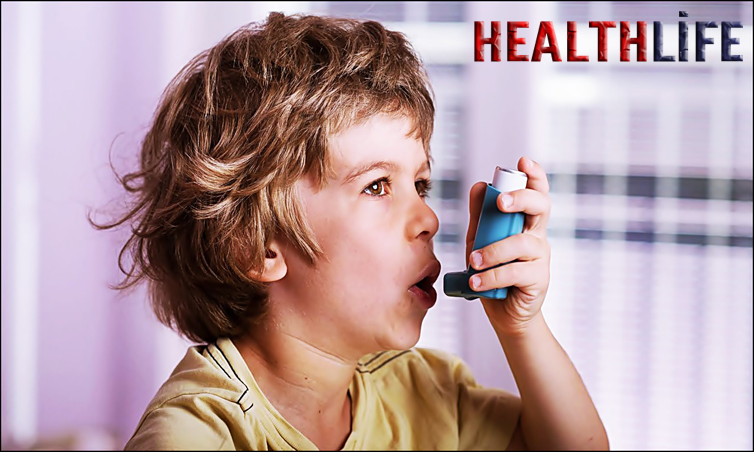
Depending on your child’s medical history and the severity of your asthma, your doctor will develop a treatment plan. The treatment plan explains when and how your child should use asthma medications, what to do when asthma worsens, when your child may need emergency care, and what to do in such cases. In addition, it helps you identify triggers for an asthma attack.
How to Understand Asthma in Children, the tests most commonly used in the diagnosis of asthma are the amount of air in the lungs and the respiratory function tests that measure the volume of air in the breath, while in some patients, a chest X-ray also plays a role in the diagnosis. If you have questions about our article on how to understand asthma in children, you can ask us in the comments section or on our social networks. You can share our page on how to understand asthma in children so that your friends can be informed, and you can also inform your friends about our article on how to understand asthma in children.
For your questions and complaints, you can write to us in the comments section. We are trying to help you with all your problems.
Our other recommendation link that may attract your attention; What Are The Causes Of Urinary Incontinence In Children?