How Is Nasal Polyp Surgery Performed? What is Nasal Polyp Surgery?, Who is Nasal Polyp Surgery Performed for? Some information you need to know.
How Is Nasal Polyp Surgery Performed? What is Nasal Polyp Surgery?
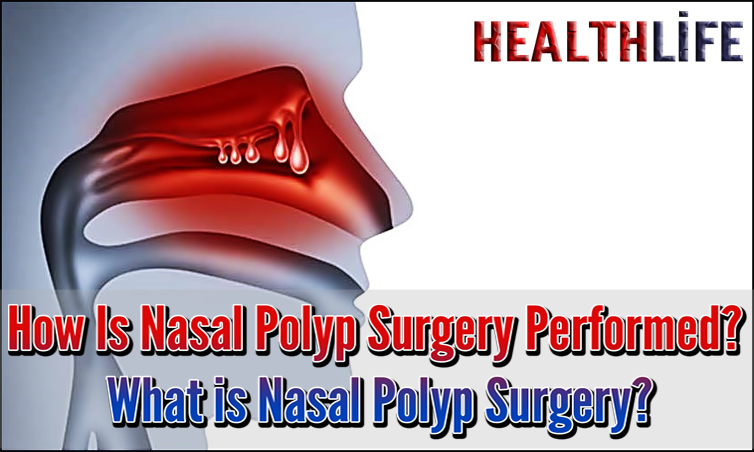
The operation performed to clean polyps that are located in the nasal region and prevent airflow is called nasal polyp surgery. In the content of our article, you, our valued friends, can find detailed answers to the questions Who is nasal polyp surgery performed for? and What is nasal polyp surgery? So How is nasal polyp surgery performed?
Polyps are formations that occur when the skin sags in the mucosal layers surrounding the air spaces of the body. Polyps can occur in many parts of the body. However, the area where they occur most frequently is the nasal region. Nasal polyps, one of the problems experienced by many individuals, are generally confused with upper respiratory tract disorders. This situation delays diagnosis and therefore treatment. Nasal polyps, or nasal polyps as they are called among the people, have a pale color. They hang down into the nose and do not cause pain complaints in patients. Where they are in the nose also varies from person to person. According to research, clear findings have not yet been obtained regarding the causes of polyp formation.
It is stated that polyps occur due to the deterioration of the mucosal structure covered only in the nose and the deformation of the inner nasal tissue. Allergies or inflammations are also the most common cause of the deformation of the inner nasal tissue. Genetic factors are also thought to play an important role in the formation of nasal polyps. The constant contact of the nose with foreign substances is also on the list of causes. However, it is quite easy to eliminate these problems with nasal polyp surgery. Regardless of the reason, a definite result is achieved with surgical intervention. You can reach more detailed information about nasal polyp surgery by continuing our article.
Who Can Have Nasal Polyp Surgery?
How Is Nasal Polyp Surgery Diagnosed?
When patients apply to an ear, nose and throat doctor with various complaints, the patient’s history is taken in detail. In addition, the inside of the nose needs to be viewed with endoscope devices. Diagnosis can be made with the help of tomography examination. It is thought that nasal polyps can go away on their own under some conditions. Nasal polyps do not actually disappear on their own and therefore they need to be cleaned with nasal polyp surgery. It is necessary to consult doctors who are experts in the field of ear, nose and throat for diagnosis. Nasal polyps can seriously prevent natural air flow. This causes a significant level of nasal congestion. Nasal discharge in various colors can also occur.
When the discharge cannot be removed from the nose, it turns into postnasal drip. Postnasal drip can also cause asthma. It can also cause existing asthma to be experienced at a higher level. Another problem experienced is the decrease in smell and taste. When these polyps catch upper respiratory tract infections, flu or cold, it takes much longer for them to overcome these diseases. Since many systems of the body are affected, there is a decrease in the quality of life. For this reason, nasal polyp surgery should definitely be performed as soon as possible when the diagnosis is made.
Generally speaking, nasal polyps may recur after nasal polyp surgery. However, with the help of developing technology in recent years, surgery is performed in the form of much more detailed interventions. This situation brings with it a decrease in the possibility of polyps recurring after surgery. At this point, the patient must fulfill their duties. It is of great importance for patients to take some precautions after nasal polyp surgery to prevent polyps from recurring.
How Long Does Nasal Polyp Surgery Take?
In nasal polyp surgery, the fact that computerized tomography provides millimetric images ensures that the operation is performed quite successfully. It is also possible to plan the surgery more healthily with the help of these images. In the past, surgery was performed from inside the mouth or from the outer part of the face. However, today, nasal polyp surgery can be performed with endoscopic technique. This allows patients to recover in a shorter time and to get through the recovery period more comfortably. In the surgery performed endoscopically from inside the nose, the polyps in the sinuses are reached with the help of a light source, micro camera and monitor. The polyps are cleaned and damaged tissues are also cleaned. It is also possible to check the opened areas in detail after the polyps are cleaned. If necessary, the sinuses are also provided to return to normal form.
Nasal polyp surgery is performed under general anesthesia. Since extremely thin medical instruments and endoscopic methods are used, the possibility of damage to nearby organs such as the brain or the eye is reduced to a minimum level. Very small polyps can be cleaned more. Thus, the possibility of patients encountering polyp problems again in the near future is reduced. Since no incision is made in the nose or face area, there are no stitch marks or visible scars.
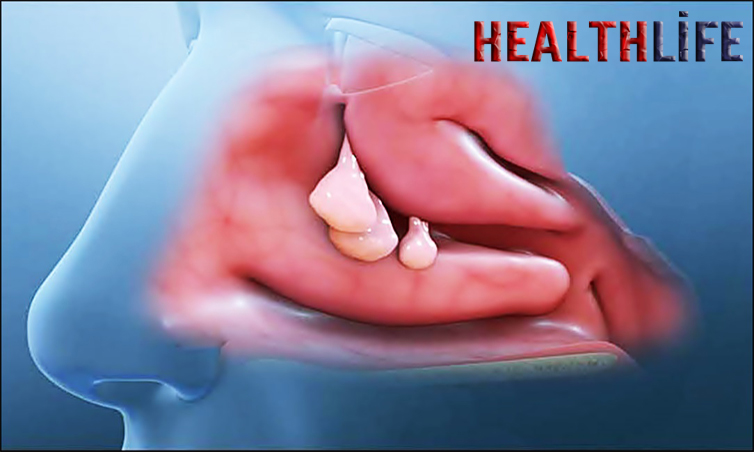
The duration of the operation is not the same for every patient. Because the size of the polyps and the area where they are located also affect the intervention to be performed. The operation can usually last up to 1 and a half hours. Some patients may request that interventions such as septum deviation or turbinate hypertrophy be performed in the same session along with this operation. In such cases, the operation time is longer than 1 and a half hours. This operation requires resting in a clinical environment. If the patient feels well, the discharge procedures are carried out a few hours after the operation. In this case, the patient is allowed to rest at home.
Precautions to be Taken After Nasal Polyp Surgery
– If there are medications prescribed by the doctor, they must be used regularly,
– If there are allergic rhinitis or asthma disorders, these diseases must be kept under control, – Perfume and deodorant use must be avoided,
– Air conditioning in the environment must be cleaned regularly,
– All kinds of chemicals and foreign objects used for the nose must be avoided,
– All kinds of chemicals and foreign objects used for the nose must be avoided,
– Upper respiratory tract infections must definitely be protected.
There are some risks in nasal polyp surgery. For this reason, nasal polyps include some risks and there are risks such as bleeding or infection in this operation. It should be known that there are also risks of complications such as damage to the eyeball or optic nerves, blood in adjacent arteries. There are also some risks arising from general anesthesia before surgery.
For this reason, choosing an experienced surgeon, the patient’s heeding the warnings given by the doctor after surgery, and regular use of prescribed medications also minimizes these risks. Not taking nasal polyps seriously means taking more serious risks than the risks of nasal polyp surgery. Therefore, treatment must be done.
How is Nasal Polyp Surgery Done, if nasal polyps recur, nasal polyp surgery should also be done again. If you have questions about our article on how nasal polyp surgery is done, you can ask us in the comments section or on our social networks. You can share our page on how nasal polyp surgery is done with your friends so that they can be informed, and you can inform your friends about our article on how nasal polyp surgery is done.
For your questions and complaints, you can write to us in the comments section. We are trying to help you with all your problems.
Our other recommendation link that may attract your attention; What Are The Symptoms Of Phimosis?