What Are The Symptoms Of Hand-Foot Disease? What is hand-foot disease?, How is hand-foot disease diagnosed? You can find some information about it.
What Are The Symptoms Of Hand-Foot Disease? What is hand-foot disease?
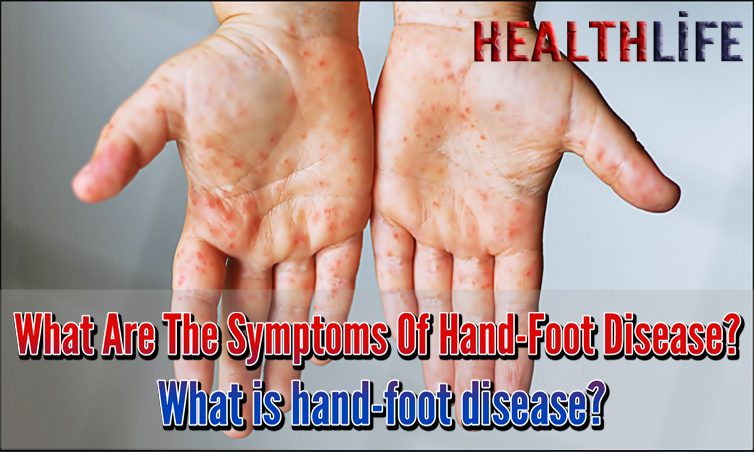
Hand-foot disease occurs in or around the mouth, sores called ulcers. It can cause symptoms on the hands, feet and legs outside the mouth. It is transmitted through contact between both adult patients and children. In the content of our article, you, our valued friends, can access and learn the answers to questions about How is hand-foot disease diagnosed? and What is hand-foot disease? in detail. So What are the symptoms of hand-foot disease?
Cleanliness and good hygiene conditions have a significant positive effect on hand-foot-mouth disease. In order to prevent hand-foot disease from spreading to others, good personal hygiene should be performed. The resulting red lesions look like blisters. If these blisters are contacted for any reason, the person should definitely wash their hands thoroughly. People of all ages can catch hand-foot-mouth disease. However, children under the age of 5 are more likely to catch the disease. The risk of infection is higher in summer and autumn. The treatment period can be shorter than 2 weeks or longer. However, it can cause serious problems such as meningitis in some children. You can reach more detailed information about the symptoms of hand-foot disease by continuing our article.
How is Hand-Foot Disease Transmitted?
Hand-Foot Disease Symptoms
– Increased salivation,
– Swelling on hands, feet and arms,
– Skin rashes,
– Sores with water accumulation in the mouth,
– Sore throat,
– Eating less,
– Increasing fever.
Hand-foot disease symptoms begin to develop 3 to 6 days after the infection enters the body. During this period, the disease is still in the formation phase. They usually start as small red dots that form blisters behind the mouth and can turn into ulcers. A red-spotted and sometimes blistered skin rash can also develop on the palms and soles of the feet within 1 or 2 days. It can also be seen on the elbows, knees, hips or genital area. These symptoms may not be seen in everyone. Some people, especially adults, may not have any symptoms at all. However, they can still spread the virus to others. After the fever, a characteristic rash of blisters and blisters develops. The rash is usually flat red spots. Lesions can appear all over the hands and feet. Very rarely, the virus can affect the inner lining of the brain and spinal cord, causing more serious symptoms such as seizures, confusion, unsteadiness and weakness.
In hand-foot disease, viruses can easily spread from person to person. The viruses that cause hand-foot-mouth disease are common and especially affect children with low immune systems. It can spread easily and quickly in the home, especially among children. Many adults, including pregnant women, usually contract this disease without symptoms. Serious outbreaks occur in childcare and education settings. The first week of the disease is usually the most contagious period. Individuals with the disease continue to shed the virus through their respiratory tract for 1 to 3 weeks after the infection begins and in their feces for weeks. At the same time, the skin blisters that form are contagious until they become crusty and there is no fluid left in the blisters. Hand-foot disease can be transmitted from person to person through feces, mucus, saliva, coughing and sneezing.
What are the Causes of Hand-Foot Disease?
Hand-foot-and-mouth disease is a type of disease that spreads through viruses, which are viral. The virus that causes this disease is a virus called coxsackievirus. Coxsackievirus is in a family of viruses called enterovirus. In some cases, other types of enteroviruses can also cause this disease. These viruses normally spread through the mouth and anus. Viruses are usually found in the saliva, mucus, feces and blister fluid of a person with hand-foot-and-mouth disease. Children under the age of 10, especially those under the age of 5, are at the highest risk of contracting this disease. This is because the immune system has not yet developed the antibodies to fight the disease in many young children. Factors such as not being nourished enough or having another disease can also affect immunity, making the person vulnerable to the disease.
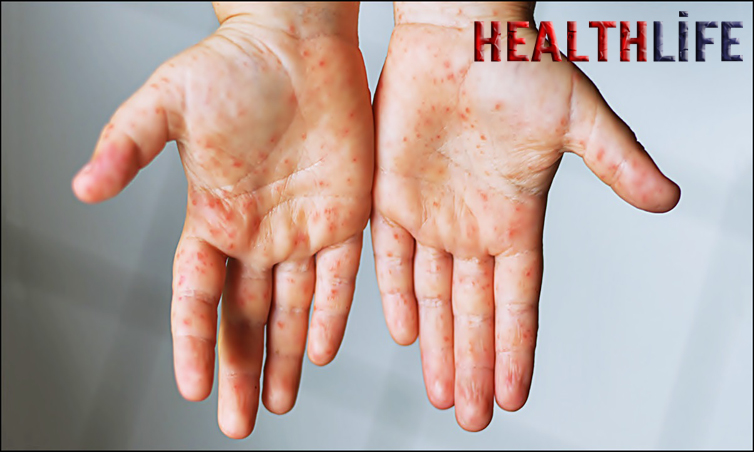
Hand-foot disease treatment, if any of the symptoms are present, especially children should see a doctor immediately. During the treatment process, public areas should be avoided. There is no medication that will treat or cure hand-foot-mouth disease. For this reason, the only thing parents can do is to reduce fever and pain under the supervision of a doctor. In children over the age of 1, various liquid mouth soothing medications can be prescribed by doctors to relieve mouth ulcer pain.
Can Hand-foot Disease Be Prevented?
Children with hand-foot-mouth disease should consume plenty of fluids. Since the fluid in the blisters is contagious, they should not be intentionally burst. Painful mouth sores can make some children reluctant to swallow fluids. It is very important to make sure that young children drink enough fluids. However, if there is prolonged thirst, dehydration problems that may occur should be prevented with emergency intervention.
What are the Symptoms of Hand-foot Disease, it may not be easy to protect against diseases that are common among children. However, hygiene education given during this period is very important. If children have fever and red bumps, they should seek help from a health institution as soon as possible. During this process, they should also be prevented from interacting with people. If you have questions about our article on what are the symptoms of hand-foot disease, you can ask us in the comments section or on our social networks. You can share our page on what are the symptoms of hand-foot disease with your friends so that they can be informed, and you can inform your friends about our article on what are the symptoms of hand-foot disease.
For your questions and complaints, you can write to us in the comments section. We are trying to help you with all your problems.
Our other recommendation link that may attract your attention; Why Do Heels Crack?