What Are The Symptoms Of Sarcoidosis? How is Sarcoidosis Treated?, How is Sarcoidosis diagnosed? We have compiled some information about it in our article.
What Are The Symptoms Of Sarcoidosis? How is Sarcoidosis Treated?
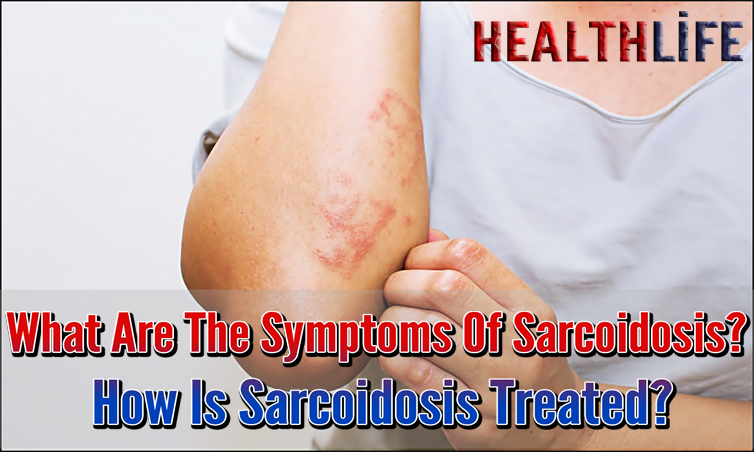
The inflammatory disease characterized by the growth of small inflammatory cell clusters in the immune system anywhere in the body, such as the skin, eyes and heart, especially in the lungs and lymph nodes, is called sarcoidosis. In the content of our article, you can find detailed answers to the questions “How is sarcoidosis diagnosed?” and “How is sarcoidosis treated?” for you, our dear friends. So What are the symptoms of sarcoidosis?
Depending on the location and size of sarcoidosis, granulomas can cause mild to severe symptoms. The disease, which also occurs in cases where it does not show any symptoms, turns into fibrosis and creates permanent lung scarring. Granuloma, an inflammation caused by the immune system, consists of a white blood cell that separates itself from the rest of the body to try to protect itself from something the immune system thinks is harmful. Granulomas are surrounded by fibrous, or dense, tissue, making them feel hard or lumpy. Granuloma can occur almost anywhere in the body. However, it is most often found in the lungs or lymph nodes. There may be obvious signs of granuloma on the skin, eyes or muscles.
Pulmonary sarcoidosis is also known as pulmonary sarcoidosis, which affects the lungs. In addition, pulmonary sarcoidosis is defined by stages. For an individual with lung sarcoidosis, it may transition between stages or the granulomas may progress completely. The only serious stage is the fourth stage, which causes permanent lung damage. Stage 0; Sarcoidosis may not be visualized. The lungs and lymph nodes appear normal on the x-ray. Stage 1: Granules in lymph nodes. Stage 2: Granulomas in the lymph nodes and lungs. Stage 3: Granulomas in the lungs only. Stage 4: Pulmonary fibrosis, or permanent scarring of the lungs, may occur during this stage. You can find more detailed information about the causes of sarcoidosis by continuing our article.
How is Sarcoidosis Treated?
Causes of Sarcoidosis
– Kidney stones,
– Unexplained weight loss,
– Swollen lymph nodes,
– Night sweats,
– Muscle weakness,
– Muscle aches,
– Fatigue,
– Fire,
– Joint pain.
Eye Symptoms
– Sensitivity to light,
– Red or swollen eyes,
– Eye pain,
– Vision loss,
– Blurred vision.
Symptoms Found in the Lungs
– Wheezing in the chest,
– Chest pain,
– Shortness of breath,
– Dry cough.
Symptoms Found in the Heart
– Shortness of breath,
– Heart failure,
– Irregular heartbeat,
– Chest pain.
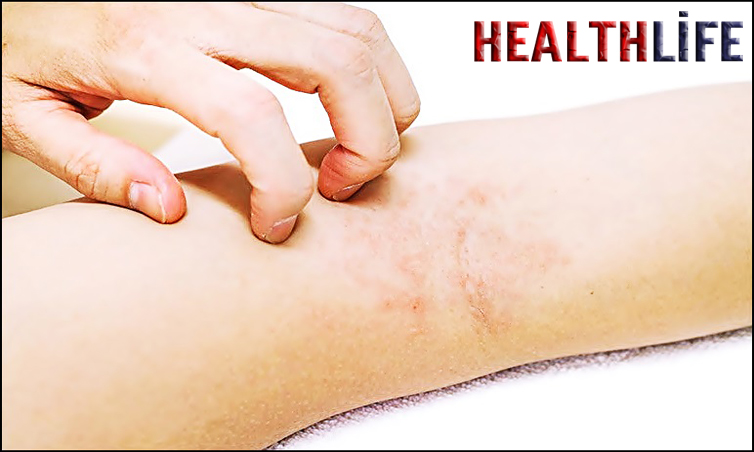
Symptoms Found on the Skin
– Red, tender swellings on the shin bone,
– Raised, reddish-purple sores or rashes on the nose or cheeks
– Light or dark spots,
– Growths on the skin around scars or tattoos.
Symptoms Found in the Nervous System
– Seizures,
– Headaches,
– Weak or paralyzed facial muscles,
– Increased amount of urine,
– Increased thirst.
Although sarcoidosis may occur due to genetic or environmental factors, the exact cause is unknown. Some individuals’ immune systems are more likely to overreact to certain triggers, such as bacteria and viruses. This condition can also cause sarcoidosis. However, it is not known exactly which combination of genes and triggers causes sarcoidosis. Diagnosis and diagnosis of this disease are usually made after a physical examination, chest X-ray, and biopsy of suspicious granulomas. Since sarcoidosis may resemble other conditions, the specialist may request additional tests to rule out other diseases. Diagnosis of sarcoidosis is made through imaging tests and biopsies. The specialist physician may also order other tests depending on the symptoms.
Sarcoidosis Diagnostic Tests
– Electrocardiogram,
– Respiratory function tests,
– Biopsy,
– MRI – MRI,
– Pet – CT scan,
– Chest x-ray.
Is Sarcoidosis Treated?
The goal of treating this disease is to manage symptoms and prevent organ damage. Because granulomas are areas of inflammation caused by immune cells, sarcoidosis is treated with medications that suppress the immune system. In addition, treatment varies depending on where the granulomas are in the body. The drugs of choice in the treatment of sarcoidosis are drugs that aim to reduce inflammation by acting on the immune system, altering or suppressing it. Some preferred sarcoidosis drugs;
– Non-steroidal anti-inflammatory drugs; Temporarily relieves symptoms caused by inflammation,
– Corticosteroids; Medicines that reduce inflammation in the body,
– Anti-tumor necrosis factor-alpha drugs; It targets a specific chemical in the immune system to reduce inflammation.
– Immunosuppressants; It helps prevent the immune system from causing organ damage and inflammation.
What Are the Symptoms of Sarcoidosis, if you have questions about our article, what are the symptoms of sarcoidosis, you can ask us in the comments section or on our social networks. What are the symptoms of sarcoidosis? You can inform your friends about our article about what are the symptoms of sarcoidosis by sharing our page with them so that they can also be informed.
For your questions and complaints, you can write to us in the comments section. We are trying to help you with all your problems.
Our other recommendation link that may attract your attention; What Are The Symptoms Of Ulcerative Colitis?