What Are The Symptoms Of Food Poisoning? How Does Food Poisoning Occur? Food poisoning is a health problem that occurs acutely.
What Are The Symptoms Of Food Poisoning?
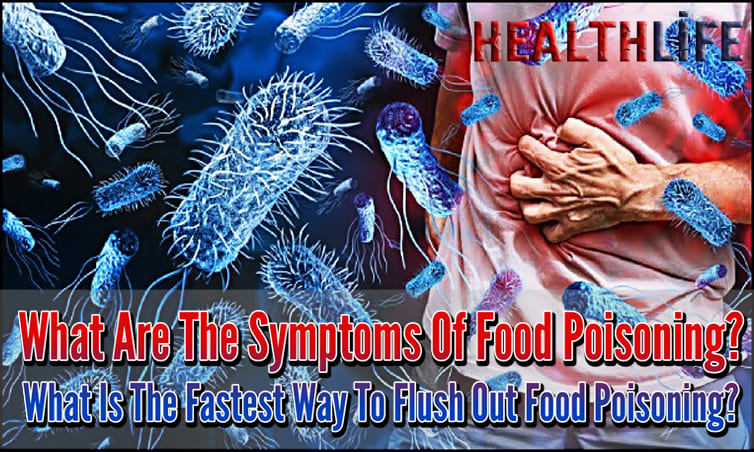
You can find all the details in our article to learn what you need to know about What are the symptoms of food poisoning and how food poisoning occurs. What is food poisoning? It is an acute health problem that occurs after the unintentional consumption of spoiled food containing harmful bacteria. It occurs due to unhygienic environments such as processing, preparation, production, and storage of consumed food. So, what are the symptoms of food poisoning? What should nutrition be like after food poisoning?
The foods most to be wary of in food poisoning are red meat, contaminated water, mayonnaise, chicken, raw or undercooked meat, eggs, fish, and oysters. Those most affected by food poisoning are children, the elderly, and pregnant and breastfeeding women. E. coli and salmonella bacteria that grow in food are harmful to humans. If you consume spoiled food, symptoms begin to appear within 2 to 6 hours. A person experiencing food poisoning may experience stomach pain, vomiting, diarrhea, weakness, fever, and loss of appetite. In such cases, in addition to medical intervention, by paying attention to nutritional therapy, the problem can be resolved quickly.
THINGS TO DO AFTER FOOD POISONING
The most significant symptom of food poisoning is the onset of diarrhea and vomiting shortly after consuming spoiled food. Diarrhea and vomiting cause increased dehydration. If you don’t increase your water intake, your body becomes weaker and affects the healing process. Therefore, it is important to drink plenty of water from the moment diarrhea and vomiting begin. Drinking plenty of water prevents electrolyte loss, prevents edema, and reduces vomiting episodes. During food poisoning, the immune system interacts with harmful pathogens, releasing toxins. These toxins affect and impair your sense of taste, leading to decreased food intake.
People experiencing food poisoning should avoid starving themselves and, for treatment, they must eat. A mixture of sugar and salt, combined with lemon juice, reduces the bad taste in the mouth.
– After the number of bowel movements drops to 2 to 3 and the acute phase is over, recently boiled vegetables seasoned with spices and salt can be consumed daily.
– Fruits should be consumed seasonally, such as apples, bananas, and peaches. They help with constipation.
– During food poisoning, avoid fizzy drinks. These drinks can trigger digestive problems.
– Legumes contain a high amount of fiber, so they should not be consumed during acute diarrhea.
HOW CAN FOOD POISONING BE TAKEN AWAY?
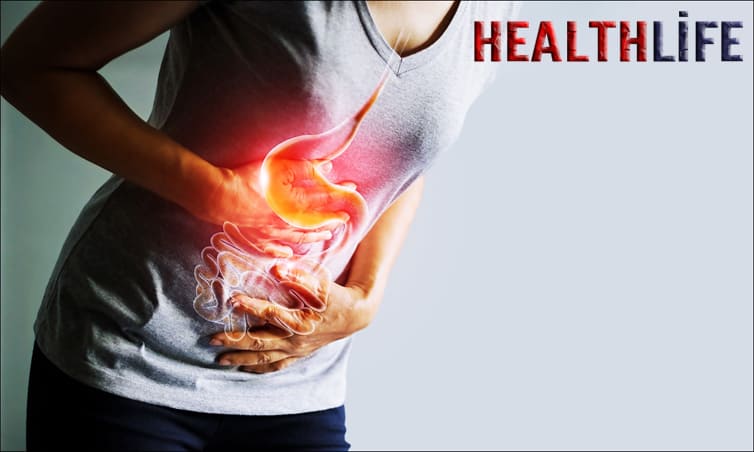
– Mint and cinnamon should be consumed more frequently to aid digestion and reduce nausea.
– Boiled potatoes, yogurt, boiled rice, and plenty of water on the first day of food poisoning can help control acute diarrhea.
– Fatty foods, fried foods, and meat should be avoided. These foods trigger both diarrhea and nausea, preventing recovery.
You can find information about What are the Symptoms of Food Poisoning, what you are curious about, and what to do in case of food poisoning in our article. If you have any questions about our article on the symptoms of food poisoning, please ask us in the comments section. Please share our page on the symptoms of food poisoning with your friends so they can learn more.
For your questions and complaints, you can write to us in the comments section. We are trying to help you with all your problems.
Our other recommendation link that may attract your attention; How To Prevent Hair Loss?