What Is A Hooked Denture? What is a Partial Denture? Today, many partial or full dentures are made with clasped dentures…
What Is A Hooked Denture?
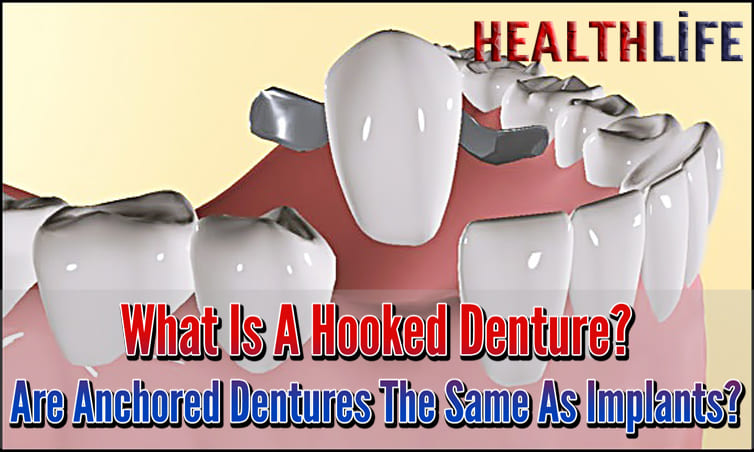
Many people have some questions about what a clasp-type denture is. You can find answers to your questions about clasp-type dentures, also known as partial dentures, in the following article. Clasp-type dentures can be applied to patients who are completely edentulous or have only a few missing teeth. Clasp-type dentures are used for patients who cannot have a fixed denture. Because they are attached to the tooth in front of the missing tooth using a prosthetic clasp, they are called clasp-type dentures.
The fabrication process for clasp-type dentures is similar to that of full dentures. A clasp-type denture is prepared in approximately five sessions, including impressions and various fittings. In short, a two-week clasp-type denture is sufficient. Clasp-type dentures are not as comfortable as fixed dentures. Don’t expect the same comfort during chewing as with fixed dentures. Patients need to adapt to the use of clasp-type dentures because they contain metal that extends from the tongue in the lower jaw and from the palate in the upper jaw. These metals make it difficult to get used to initially. After a certain period of time, you can become accustomed to using them as easily as if they were your own teeth.
HOW LONG DO SLIP-ON DENTURES LAST?
If properly maintained and properly cared for, clasp-on dentures can last a long time. In cases of weakening or osteoporosis, movement can occur as the dentures become looser over the years. Depending on how clasp-on dentures are used, the clasp can stretch. Clasp-on dentures can also break due to carelessness. Loss of the supporting teeth is also possible. The missing tooth can be added to the existing denture.
Cleaning of clasp-on dentures is the same as for full dentures. You can eat comfortably with clasp-on dentures. You can easily perform oral and dental procedures such as cutting, biting, and grinding. The clasps prevent the denture from moving or being dislodged. They don’t move while eating; however, loosening of the clasps can occur after a certain period. If this occurs, the clasps are easily tightened, preventing the denture from moving.
When using clasped dentures, care should be taken to avoid damaging the clasps during insertion and removal. Therefore, inserting and removing the denture should be done slowly and carefully. After the denture is fully seated and inspected, the denture should not be inserted with the mouth closed. If the denture is inserted with the mouth closed, the clasps can bend or break. Clasped dentures are attached to your teeth using clasps. Because these clasps are metallic in color, maintaining aesthetics is challenging, as your front teeth are also clasped. Clasps that match the gums are also available today.
THINGS TO KNOW ABOUT PARTIAL DENTURES
Claw-mounted dentures can be easily repaired if they break. If the clasps break, they are repaired by taking impressions of the mouth. Repair times vary, but are usually completed within one or two days. Over time, weight loss and bone loss can cause the clasped dentures to become loose and move. In these cases, the dentures can be restored to their original shape by reattaching the prosthesis. If the jawbone is significantly altered, the dentures should be reattached. If the clasps stretch or break, they can be repaired or tightened.
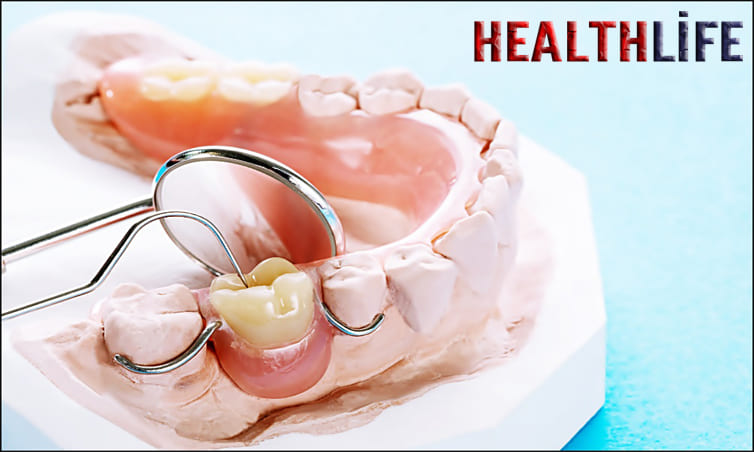
The clasps of a partial denture can be made in the color of your teeth or gums for aesthetic appeal. Clasped dentures can be made in white or pink, like your teeth. Because of the high risk of breakage, they require more care. An alternative to clasped dentures is a precision-attached denture. The part of this denture that supports the teeth is invisible and is located within the denture itself. When a clasp denture is applied to your existing teeth, a jaw measurement is taken without any further intervention, and the procedure begins.
In our article, we’ve compiled everything you need to know about Clasp Dentures. If you’re curious about clasp dentures, also known as partial dentures, you can find everything you need to know about them in our article. Feel free to ask us any questions you may have about our article, “What are clasp dentures?”, in the comments section. Please share our page about clasp dentures with your friends so they can learn more.
For your questions and complaints, you can write to us in the comments section. We are trying to help you with all your problems.
Our other recommendation link that may attract your attention; Situations When You Should Not Drink Water