What Are The Symptoms Of Heart Infection? How is Heart Infection Treated? We have compiled some information you need to know about the causes of heart infection.
What Are The Symptoms Of Heart Infection? How is Heart Infection Treated?
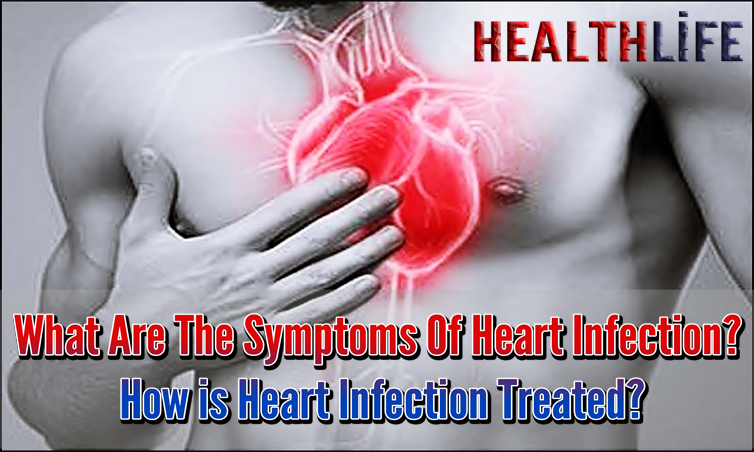
Endocarditis is a heart disease that develops due to infection in the heart and is also called heart valve inflammation. In the content of our article, you can access and learn detailed answers to the questions “causes of heart infection” and “how to cure heart infection?” for you, our dear friends. So What are the symptoms of heart infection?
Diagnosis of heart infection, which develops due to various factors, is not always easy. Symptoms vary depending on the area of infection in the heart and the type of bacteria. Heart patients, in particular, need to be protected from endocarditis, which must be treated. Good dental hygiene and preventing gum disease are important prevention methods.
For this reason, children should be taught to brush their teeth at an early age and tooth decay should be prevented. During some procedures, antibiotics must be used to eliminate bacteria entering the bloodstream. Protection is not recommended for dental procedures, respiratory tract interventions, skin and musculoskeletal tissue interventions, genitourinary and gastrointestinal interventions that may cause perforation in the gums, tooth roots and oral mucosa. You can find more detailed information about the symptoms of heart infection by continuing our article.
How To Treat Heart Infection?
Heart Infection Symptoms
It varies depending on the area of infection in the heart and the type of bacteria. In subacute endocarditis that has been going on for a while, fever, malaise, spleen enlargement, heart murmur, weight loss and night sweats that last for weeks or months are observed. In endocarditis, which affects the left side of the heart, blockages due to clot removal may occur in the brain, arms and legs, liver, spleen, kidneys and rarely in the coronary arteries. In endocarditis affecting the right side of the heart, problems may also occur in the lungs.
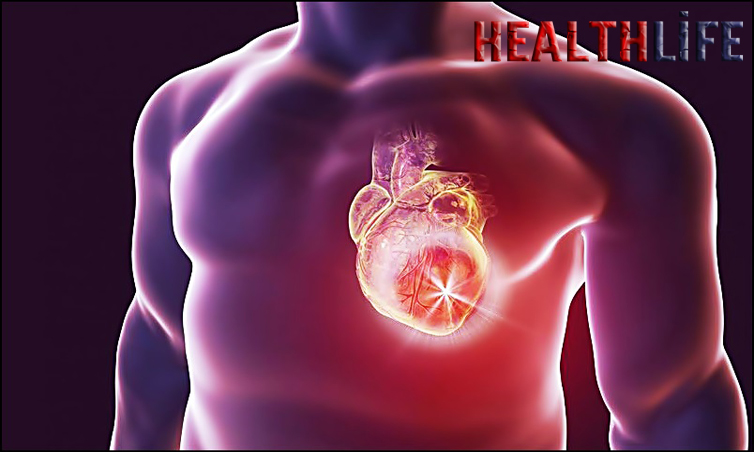
Endocarditis is called microbial infection of the endothelial layer, which is the inner layer of the heart valves, heart and vessels. Abnormal blood flows encountered in patients with congenital or acquired heart diseases damage the endothelial layer and reveal the collagen underneath. Fibrin and platelets accumulate on this collagen and a bacteria-free clot is formed. Infection develops especially when bacteria in the mouth enter the bloodstream.
Early postoperative endocarditis occurs due to bacterial contamination of the surgical site, artificial valves, or artificial materials during the surgical procedure. Endocarditis, which can cause serious health problems for heart patients, must be treated. Treatment techniques require at least 4 to 6 weeks of treatment with antibiotics administered intravenously to patients. Surgery may be performed if signs of heart failure due to endocarditis are severe or if there is clot excretion.
What Are the Symptoms of Heart Infection, if you have questions about our article, what are the symptoms of heart infection, you can ask us in the comments section or on our social networks. You can inform your friends about our article about what are the symptoms of heart infection by sharing our page with them so that they can also be informed.
What Are The Symptoms Of Heart Infection, if you have questions about our article, what are the causes of high gestational sugar, you can ask us in the comments section or on our social networks. You can inform your friends about our article about what are the causes of increased gestational diabetes by sharing our page with them so that they can also be informed.
For your questions and complaints, you can write to us in the comments section. We are trying to help you with all your problems.
Our other recommendation link that may attract your attention; What Are The Causes Of High Gestational Sugar?