What Are The Symptoms Of Hypovolemic Shock? How to Understand Hypovolemic Shock? Does hypovolemic shock go away on its own? Some information you need to know about…
What Are The Symptoms Of Hypovolemic Shock? How to Understand Hypovolemic Shock?
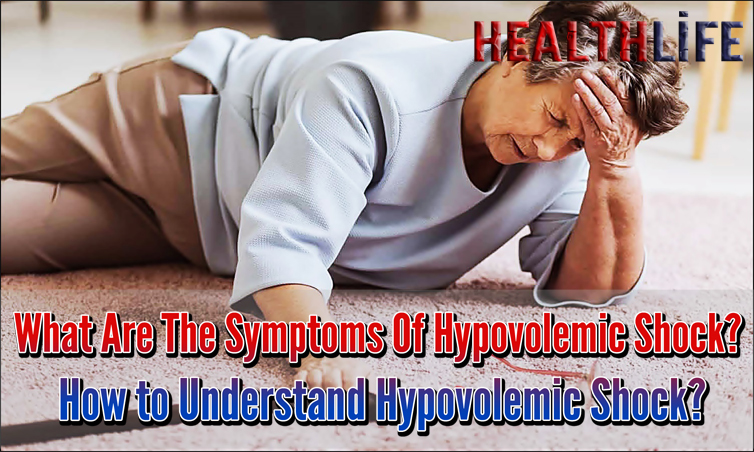
The condition that requires urgent treatment with severe fluid loss is called hypovolemic shock. It occurs when the heart loses a significant amount of fluid or blood, preventing it from pumping blood to the body. Hypovolemic shock can cause organ dysfunction and death. In the content of our article, you, our dear friends, can access and learn detailed answers to the questions how is hypovolemic shock treated? and how is hypovolemic shock understood?. So What are the symptoms of hypovolemic shock?
The decrease in blood volume in the body, which may be due to blood loss or loss of body fluids, is called hypovolemia. Blood loss results from external injuries, traffic accidents, internal bleeding, or some obstetric emergencies. Vomiting and diarrhea are common causes of body fluid loss. Fluid loss may also occur as a result of major burns, excessive sweating, or the use of diuretics. Insufficient fluid intake can also cause hypovolemia.
Rapid and effective fluid replacement is the most appropriate form of treatment in hypovolemic shock. Initial fluid management of patients with septic shock and hypovolemia should be administered with 30 ml/kg crystalloid. Hypovolemic shock occurs after injury, usually due to fluid or blood loss. This type of shock is called hypovolemic shock. The patient with hypovolemic shock is given fluids orally or intravenously. In a patient with healthy kidneys and urination, the kidneys balance the situation even if excess fluid is given. If there is any doubt about whether the patient is hypovolemic, it is often correct and sufficient to give fluids and monitor the patient as if he or she is hypovolemic. You can find more detailed information about the symptoms of hypolovolic shock by continuing our article.
How To Understand Hypovolemic Shock?
Symptoms Of Hypovolemic Shock
– Bruising or yellowing of the skin, lips,
– Confusion of consciousness,
– Low blood pressure,
– Excessive sweating,
– Shortness of breath or rapid breathing,
– Weakness,
– Dizziness.
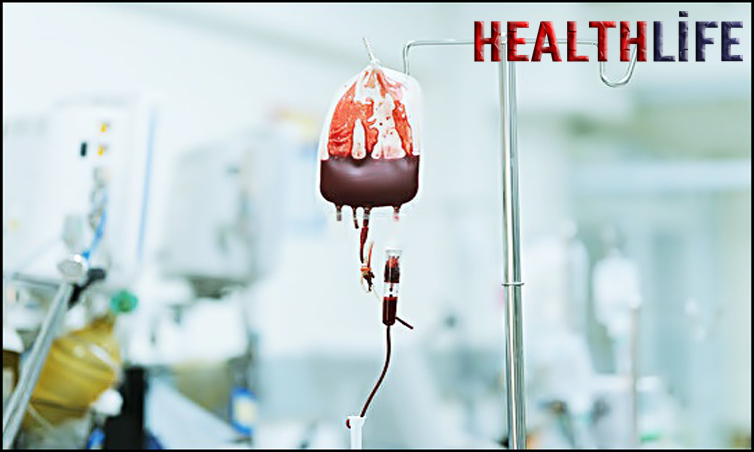
Approximately 50% to 60% of the body consists of fluid. Hypovolemia occurs when more than 15% of the total fluid volume is lost in the circulatory system. Immediate treatment for hypovolemia must be given to prevent life-threatening complications such as organ damage, shock, or death. Hypovolemic shock is one of the most common cardiac complications. Decreased intravascular blood volume in shock causes circulatory dysfunction and inadequate tissue perfusion. Loss of vascular fluid volume causes excessive tissue hypoperfusion. To prevent hypovolemic shock, early diagnosis is very important. Sick people with conditions that reduce blood volume are considered at-risk patients. Eastern I&O is necessary to estimate fluid loss and replace it if necessary to prevent hypovolemic shock.
What Are the Symptoms of Hypovolemic Shock, if you have questions about our article, what are the symptoms of hypovolemic shock, you can ask us in the comments section or on our social networks. You can inform your friends about our article about what are the symptoms of hypovolemic shock by sharing our page with them so that they can also be informed.
For your questions and complaints, you can write to us in the comments section. We are trying to help you with all your problems.
Our other recommendation link that may attract your attention; How Is Polio Diagnosed?