How Long Do Foods Last? The durability of the foods we consume in our daily lives is very important for a healthy and safe diet. However, the shelf life of nutrients may vary depending on different factors. In this article, we will discuss how long food lasts and touch upon some important points about it.
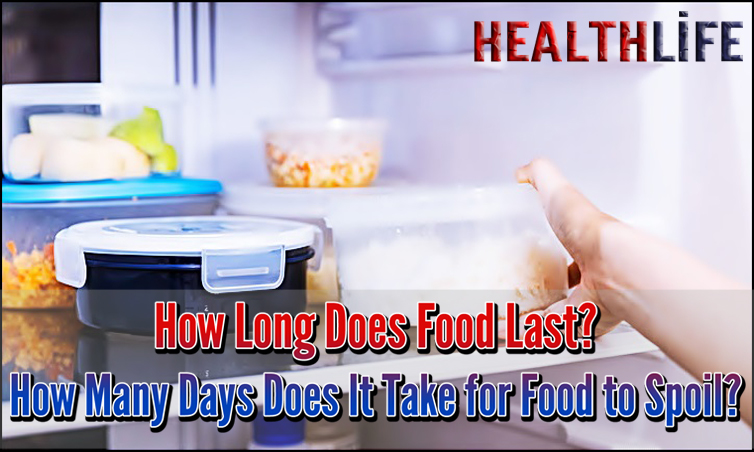
One of the most important factors affecting the durability of foods is storage conditions. Temperature, humidity, light and air can cause food spoilage. For example, delicate foods such as dairy products can spoil quickly if not stored at low temperatures. Therefore, it is important to keep such products at a suitable temperature in the refrigerator.
Additionally, the packaging of foods also affects their durability. Airtight and leak-proof packaging helps food stay fresh for a long time. In addition, foods in expired or damaged packaging may spoil in a shorter time. The shelf life of foods varies depending on their type. For example, fresh vegetables and fruits generally have a shorter shelf life, while dried or canned foods may last longer. Additionally, some foods may naturally last longer. Examples include products such as honey, rice and legumes.
Finally, another factor we need to pay attention to regarding the durability of foods is hygienic conditions. Storing and preparing food cleanly reduces the risk of spoilage and makes it safer for consumption. The shelf life of foods varies depending on various factors such as storage conditions, packaging, types and hygienic factors. For a healthy and safe diet, it is important to pay attention to the expiration dates of foods and appropriate storage methods.
Shelf Life Of Foods: Which Foods Stay Fresh For How Long?
The shelf life of food determines the time it takes to maintain its freshness and be safely consumed. Considering that different foods can spoil at different times, it is important to know the correct storage methods. In this article, we will examine the shelf life of popular food items and how we can keep them fresh for longer. Fruits and Vegetables: Fruits and vegetables generally have the most nutritional value when consumed fresh. Therefore, it is important to keep them fresh for a long time. Fruits and vegetables stored in cold storage or in the fruit and vegetable section of the refrigerator generally have a longer shelf life. For example, fruits like apples and oranges can stay fresh in the refrigerator for 2-3 weeks, while vegetables like cucumbers and lettuce usually last 1-2 weeks.
Dairy Products: The shelf life of dairy products depends on the storage temperature and the suitability of the packaging. Products such as milk, yoghurt and cheese should generally be stored in the refrigerator. When kept in well-closed packaging, dairy products generally remain fresh until their expiration date.
Meat and Fish: The shelf life of protein sources such as meat and fish depends on correct storage methods. It is important to store these foods in the low temperature section of the refrigerator, properly packaged. Fresh meat should generally be consumed within 2-3 days, but frozen meat may keep longer.
Bakery Products and Dry Foods:Bakery products and dry foods, such as bread, cookies, pasta and rice, are generally stored at room temperature. However, the shelf life of these products may vary depending on packaging materials and storage conditions. Baked goods and dry goods stored in airtight containers generally stay fresher longer.
Here Are Some Tips To Extend The Shelf Life Of Foods:
– Follow the expiration dates of foods and consume old ones first.
– Protect food using airtight containers or plastic wrap.
– Store vegetables and fruits separately to prevent rotting.
– Store food in a clean and hygienic way.
– Store food at the correct temperature and use suitable areas such as a refrigerator or freezer.
Different foods have different shelf lives and there are many factors that affect how long they stay fresh. By using correct storage methods and paying attention to expiration dates, we can preserve the freshness of our foods for longer. The importance of consuming fresh food for a healthy and safe diet should not be ignored.
Expiration Dates On Foods: Are They Really Risky?
Expiration dates are a guide that tells the consumer when food products are at their best quality. However, while many people think that strict adherence to the expiration date guarantees safety, in reality the situation is more complicated. There are some common misconceptions about expiration dates on foods, and these misconceptions can be an obstacle to establishing healthy eating habits. First of all, it is important to understand the difference between the expiration date and the sell-by date. Many people think that a product that has expired should not be consumed immediately. However, although the expiration date guarantees the quality of the product, the expiration date refers to the last date on which the product can be safely consumed. Many food products can be consumed after their expiration date, but there may be some loss in quality and taste.
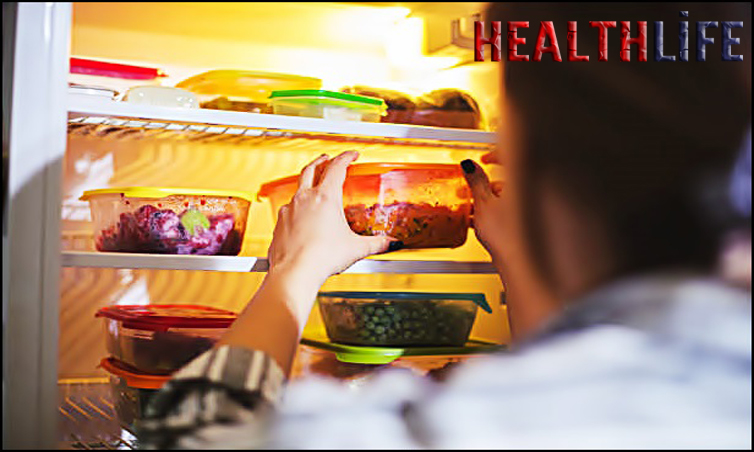
It should not be forgotten that an excessive fear of expiration dates on foods is not healthy. Some products, especially canned and frozen foods, can be safely consumed long after their expiration date. However, it is important to maintain freshness and attention should be paid to the storage conditions of the products.
Finally, food safety is not just dependent on expiration date. Correct application of food preparation, storage and cooking techniques is also of great importance. Factors such as cleaning food, storing it separately to prevent cross-contamination, and using appropriate cooking temperatures are vital to prevent food-borne illnesses. Although expiration dates on foods indicate quality, they should not be seen as an absolute risk indicator. As a consumer, it is important to consider the freshness of products and apply correct storage and cooking methods. To form a healthy eating habit, it is more important to focus on the general condition and hygiene conditions of the products rather than the expiration date.
Preventing Food Waste: What We Can Do to Make Food Last Long
Wasting food not only wastes resources but also causes environmental impacts. However, there are many precautions we can take to prevent food waste. Being aware and taking action about what we can do to ensure that food lasts for a long time is an important step to reduce this problem. You can use correct storage methods to preserve fresh fruits and vegetables. The lifespan of fruits and vegetables stored in the refrigerator is extended and the risk of spoilage is reduced. You can also preserve some foods for a long time by freezing them. For example, you can freeze the food you have cooked in large quantities and consume it in the future. It is also important to encourage reuse and recycling. For example, you can prepare new meals by using leftovers. You can make soup from vegetables before discarding their skins, or you can dry the fruits and store them for a longer period of time. Likewise, obtaining natural fertilizer by composting spoiled or obsolete nutrients is also an environmentally beneficial method.
It is also important to pay attention to dates and expiration dates. When shopping, checking the expiration dates of products and choosing those close to this date can reduce waste. It will also be useful to regularly check the cabinets to prevent products that have been forgotten or spoiled over time. Shopping responsibly is also a way to reduce food waste. You can avoid buying too much material by planning according to your needs. You can also increase your environmental impact by purchasing products from local producers and low packaging.
To combat food waste, each of us must fulfill our responsibilities. To ensure that food lasts for a long time, using correct storage methods, encouraging reuse, paying attention to dates and expiration dates, and shopping consciously are important steps. These small but effective actions will help reduce food waste and save resources.
Food Storage Secrets: What Are The Tips To Preserve The Freshness Of Food?
Maintaining the freshness of food at home is important to preserve food for a long time and prevent waste. Here are some tips on food storage secrets:
Airtight Containers: Storing foods in airtight containers slows down the oxidation process and preserves their freshness. Choose leak-proof containers that you can use in the refrigerator or kitchen cabinets. Plastic containers, in particular, prevent food from coming into contact with air and prevent it from spoiling.
Refrigerator Organization: Keeping the refrigerator organized helps food stay fresher for longer. You can keep meat products on the lower shelves and vegetables in drawers to keep them fresh for weeks. It is also important to store opened products such as canned food or milk in airtight containers in the refrigerator.
Keep Fruits and Vegetables Separate: It is important to store fruits and vegetables separately because some fruits can release ethylene gas, which can accelerate the ripening of others or cause them to spoil. So keep ethylene-secreting fruits (for example, apples and bananas) separate from other foods.
Use the Freezer: You can use the freezer to preserve the freshness of foods for longer. For example, storing meat in the freezer prevents spoilage while preserving its vitamins and nutritional values. In addition, you can also chop or blanche vegetables and store them in the freezer.
Dating and Rotation: It is important to follow the expiration date of foods. Rotate the newly purchased products by putting them in the back and try to consume the old ones first. This way no food goes to waste and you can always use fresh ingredients.
We have shared a few important points you should consider regarding food storage secrets. To preserve the freshness of food at home, it is important to use airtight containers, pay attention to refrigerator layout, keep fruits and vegetables separate, use the freezer effectively, and rotate with dates. With these tips, you can keep food fresh for a long time, prevent waste and live a healthier life.
In the content of our article about How Long Does Food Last, you can find detailed information in our article on how long the foods we prepared for you, our valued friends, last and share it with your friends on your social networks.