How Long Do Vehicle Batteries Last? Vehicle batteries are critical components that meet the electrical energy needs of automobiles. However, the lifespan of a vehicle’s battery is not limited to a fixed period of time and may vary depending on various factors. In this article, we will examine the factors that affect the lifespan of vehicle batteries.

One of the most important factors that determine the life of a vehicle’s battery is the frequency of use. The battery of a vehicle that is used actively every day may tend to drain more quickly. In addition, frequent stops and starts after short distance trips can also negatively affect the life of the battery. However, car owners who regularly take long trips can make their batteries last longer. Weather conditions are also an important factor affecting battery performance. In cold climates, the self-discharge rate of batteries increases, which can shorten their lifespan. Additionally, extremely hot weather can also negatively affect the battery. High temperatures may cause the battery’s electrolyte level to drop and damage its internal structure. Therefore, vehicle owners should regularly check batteries in extreme weather conditions and perform maintenance if necessary.
Besides these, proper use and maintenance can also increase the life of a battery. Battery terminals should be kept clean and cleaning should be done regularly to prevent oxidation. Additionally, the water level should be checked periodically and filled with distilled water when necessary. Batteries with low charge levels should be charged immediately and ensure that they are fully charged. Vehicle batteries vary depending on various factors such as usage habits, weather conditions and proper maintenance. With regular use, a healthy battery can typically last three to five years. However, this period may vary depending on the factors considered and user habits. To maintain battery performance and extend its life, it is important to perform regular maintenance and pay attention to correct usage habits.
Tips to Extend the Life of Vehicle Batteries
Your vehicle’s battery is a vital component to meeting your daily transportation needs. However, most of the time, the lifespan of batteries may be shorter than expected, which may present you with unexpected situations. Fortunately, there are some tips to extend the life of car batteries. Here are some important factors you should consider:
Regular Maintenance: It is very important to perform regular maintenance to maximize the life of your battery. Cleaning the battery terminals, keeping connections tight, and performing periodic checks to keep the battery clean and free of soot are important steps.
Correct Charging: Fully charging vehicle batteries is the key to extending their life. Make sure you always charge your battery correctly using an authorized charger. It is also important to keep track of charging time to avoid overcharging.
Avoid Short Drives: Driving short distances may prevent your battery from fully charging. Therefore, try to take as many long drives as possible or combine them with long drives to charge your car regularly.
Turn Off Electronic Devices: Electronic devices in the vehicle may cause your battery to discharge. When parked, avoid leaving lights, radio or other electronic devices on unnecessarily. This will preserve the energy of your battery and extend its life.
Be Careful in Cold Weather: Cold weather can negatively affect the performance of batteries. Try to keep your car in a closed garage or preserve battery power by starting your car more frequently in cold weather.
Pay Attention to Spare Part Quality: If you need to replace your battery, it is important to choose a quality and suitable spare part. Cheap batteries can drain or fail quickly, so choose a reliable brand.
These are some effective tips to extend the life of car batteries. With regular maintenance, correct charging methods and conscious use, you can keep your vehicle’s battery healthy and prevent unexpected situations. I recommend you take these tips into consideration to extend the life of your battery.
Sustainability and Battery Technology of Electric Vehicles
Electric vehicles are increasingly preferred as an environmentally friendly transportation alternative around the world. Battery technology, which is the key component of these vehicles, is of great importance in terms of sustainability. In this article, we will examine the relationship between sustainability and battery technology of electric vehicles.
Harmful emissions emitted by vehicles with traditional internal combustion engines cause problems such as climate change and air pollution. Electric vehicles aim to minimize these negative effects by reducing the use of fossil fuels. However, for electric vehicles to be environmentally friendly, the battery technology used must also be sustainable and have low negative effects on the environment. Electric vehicles powered by electricity obtained from renewable energy sources have great potential in reducing carbon footprint. However, sustainability is important in processes such as the production of batteries and the management of their waste. At this point, factors such as the use of recyclable materials, increasing energy efficiency and extending battery life are of great importance.
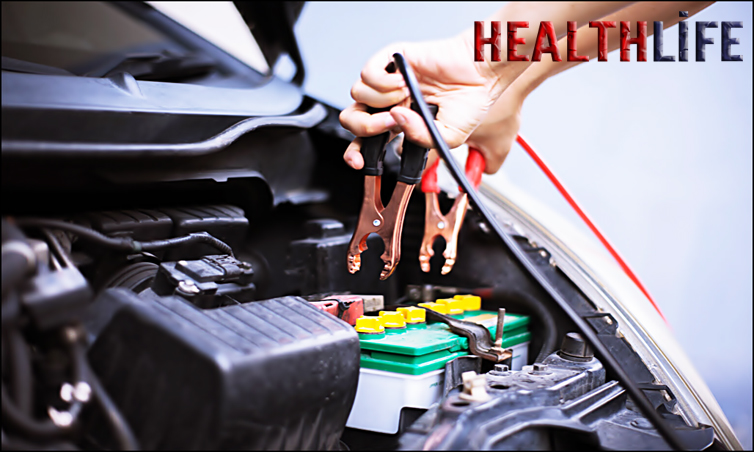
Developments in battery technology aim to increase the range and performance of electric vehicles. High-capacity and fast-charging batteries improve the user experience and contribute to the wider adoption of electric vehicles. At the same time, these developments make batteries more compact and lighter, reducing vehicle weight and increasing energy efficiency. Research and innovations on battery technology for electric vehicles support progress in the industry. Advances in advanced materials, nano-technology and battery management systems have great potential for sustainability and performance. Research and development activities aim to increase efficiency and reduce environmental impacts in battery technology.
The relationship between sustainability and battery technology of electric vehicles is important. Electric vehicles are becoming a part of sustainable transportation by reducing negative impacts on the environment. Developments in battery technology support this process, and efforts continue to provide more efficient and environmentally friendly electric vehicles in the future.
The Future of Batteries: What are the Innovations and Developments?
Nowadays, energy storage systems are becoming increasingly important. In this context, the future of batteries is full of exciting innovations and developments. Batteries are devices that chemically store electrical energy and recycle it when needed. Batteries used in many areas such as electric vehicles, solar energy systems and portable devices are constantly being developed to have higher performance, longer life and faster charging opportunities.
Starting from the first generation of lead-acid batteries, today more advanced technologies such as lithium-ion and lithium-polymer batteries have emerged. However, research is still ongoing and different innovations are expected for future batteries. For example, with the development of solid-state batteries, great advances can be made in higher energy density, faster charging and safety. At the same time, it is aimed to make batteries last longer and to make improvements in terms of recyclability. However, the future of batteries is not limited to technological innovations. With the integration of smart grids and energy storage systems, batteries can be used more efficiently and contribute to the effective management of energy resources. For example, the excess energy produced in a solar-powered home can be stored through batteries and used when needed. This offers great potential to reduce energy costs and balance energy demand.
When speculating about the future of batteries, it is important to consider potential explosions. With technological advances, batteries need to be made safer. It is known that batteries with high energy density carry the risk of burning or exploding. Therefore, new battery technologies need to comply with safety standards and be strictly regulated by regulatory authorities. The future of batteries is very promising. Thanks to technological innovations and developments, it is expected that more performing, longer-lasting and environmentally friendly batteries will emerge. At the same time, with the integration of energy storage systems, it will be possible to use batteries effectively and improve energy management. However, security measures should not be ignored. Studies on the future of batteries have the potential to create a great revolution in the energy sector.
Battery Evaluation and Conversion: How Are Old Batteries Reused?
Energy saving and environmental protection are of great importance today. Therefore, waste management and recycling processes are also attracting increasing attention. In this context, batteries play an important role. Batteries are power sources that enable the operation of many electronic devices. However, over time, batteries may become unusable and cause waste generation. The battery evaluation and conversion process aims to ensure the reuse of old and unused batteries. This process is both economically advantageous and reduces environmental impacts. Evaluation of old batteries should first be done by an expert. The condition of the battery is examined and what actions need to be taken are determined.
As a result of the evaluation, some batteries are completely reusable. These can be reused after undergoing the necessary maintenance and repairs. The repair process includes checking the cells inside, making necessary reinforcements and replacing worn parts. In this way, functional batteries are reintroduced to the market and energy savings are achieved. However, some batteries may be beyond repair. In this case, the recycling process comes into play. Recycling batteries aims to recover the precious metals inside them. In recycling facilities, batteries are disassembled and metals such as lead, zinc and nickel are separated. These metals can be reused in the production of new batteries or other industrial processes.
The battery evaluation and conversion process not only reduces waste but also contributes to the protection of natural resources. Proper management of old and unusable batteries is an important step in protecting the environment. With this process, energy efficiency increases and waste generation decreases. The battery evaluation and conversion process is an important practice that enables the reuse of old batteries and reducing environmental impacts. In this process, as a result of the evaluation made by experts, batteries are separated for repair or recycling. In this way, energy is saved, natural resources are protected and the amount of waste is reduced. Correct management of batteries is one of the important steps for a sustainable future.
In the content of our article about How Long Does a Vehicle Battery Last?, you can find detailed practical information about how long the battery of the vehicles we have prepared for you, our valued friends, and share it with your friends and inform them about our page.
For your questions and complaints, you can write to us in the comments section. We are trying to help you with all your problems.
Our other recommendation link that may attract your attention; How Long Does Almond Milk Last?