How Many Days Does Food Last? The shelf life of the foods we buy to consume in our daily lives is of great importance in terms of preserving our health and nutritional values. How long food can be kept fresh and safe is determined by correct preservation methods and some factors that need to be known.
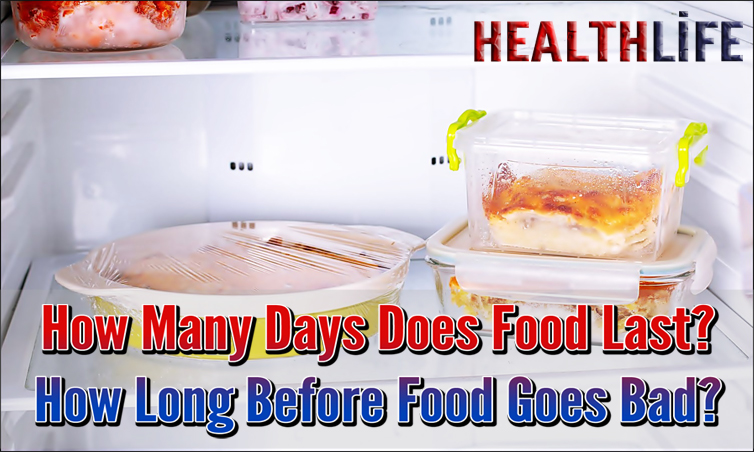
First of all, one of the most effective factors on how long foods last is the type of food. Fresh fruits and vegetables generally have a short shelf life and can spoil quickly. On the other hand, processed foods may have a longer shelf life, such as packaged meat products or canned foods. Foods such as meat, fish and milk should be stored under cold chain conditions.
The shelf life of foods is also related to storage conditions. Storing food at the appropriate temperature slows down the growth of microorganisms and thus delays the spoilage process. The refrigerator is the ideal environment to keep food fresh. It is also important to comply with the storage conditions recommended on the food packaging. Additionally, preservative methods used may have an impact on the shelf life of foods. For example, with vacuum packaging or atmospheric modification techniques, the contact of food with oxygen is reduced and thus the spoilage process is slowed down. Additionally, natural preservatives or additives can also extend the shelf life of foods. The shelf life of foods depends on many factors and should be taken into account to protect consumer health. Storing food under the right conditions, protecting it with appropriate methods and paying attention to the expiration date is an important step. In this way, it is ensured that foods can be consumed in the best quality in terms of freshness, safety and nutritional value. Let’s not forget that correct storage methods and conscious consumption habits increase the durability of food and help prevent waste.
Shelf Life Of Foods: Which Foods Stay Fresh For How Long?
The shelf life of foods is an important factor for a healthy diet. Intake and consumption of fresh foods are critical to preserve their nutritional value and prevent foodborne diseases. However, knowing how long different food items will stay fresh allows us to plan properly and prevent waste. There are factors that determine the shelf life for some basic food items. Fruits and vegetables are sensitive to environmental factors such as temperature, humidity, light and contact with air. For example, strawberries and blackberries, which are delicate fruits, stay fresh for about three to five days when stored in the refrigerator, while delicate leafy greens can last up to about a week when stored in the refrigerator.
How Long Does Food Stay Fresh?
Perishable foods such as dairy products and eggs also require caution. Milk can stay fresh in the refrigerator for several days, while processed products like yogurt and cheese can last longer. Eggs can also stay fresh in the refrigerator for several weeks, but the effect on consumption time depends on storage conditions. Dry food items generally have a longer shelf life. Foods like rice, pasta, legumes, and flour can stay fresh for months or even years when stored properly. However, the risk of deterioration increases if they come into contact with moisture and air after their packaging is opened, so it is important to pay attention to storage conditions.
There are some practical tips to increase the shelf life of food. It is important to store foods at appropriate temperatures, keep them in airtight containers, and keep them away from factors that accelerate spoilage. It is also a good habit to check the dates when shopping for groceries and consume older items first. The shelf life of foods is determined by correct storage conditions. Knowing how long different food items will stay fresh is important to prevent waste and create a healthy diet. In order to preserve nutritional values and reduce the risk of infection, it is necessary to pay attention to the shelf life of foods.
Food Is Being Pushed To Its Limits: Which Food Products Are The Most Durable?
Nowadays, the food industry is developing rapidly and great strides are being made in offering more durable food products to consumers. As consumer expectations increase, food manufacturers are trying to offer the most durable options by putting their products through various tests. So, which food products are more durable than others? Here are some food products that push food boundaries and can be stored for a long time.
Dried Legumes: Dried legumes such as lentils, beans and chickpeas are known for their long shelf life. They are resistant to spoilage thanks to their high fiber content. Additionally, it is a popular option with its easy-to-cook properties and nutritional values.
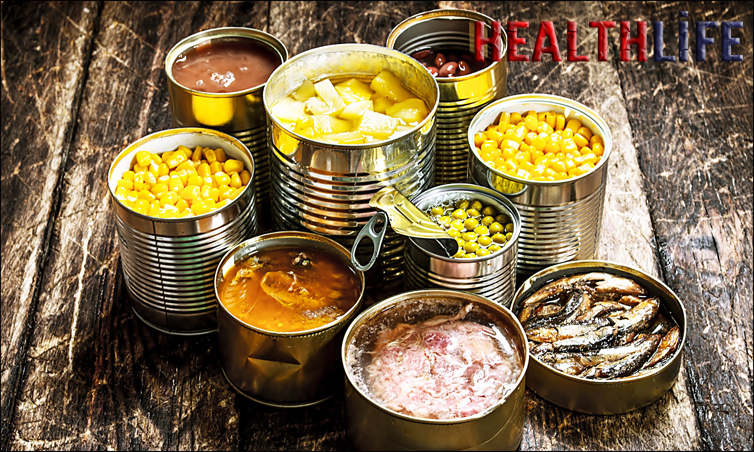
Canned Vegetables: Canned vegetables are products that have been processed and sterilized with natural preservatives. In this way, they can last for a long time by minimizing the loss of vitamins and minerals. Vegetables such as corn, peas, and carrots allow fresh vegetables to be used out of season.
Dried Fruits: Dried fruits are products obtained by extracting their juice and preserved naturally. Especially fruits such as raisins, apricots and figs are rich in vitamins and minerals and can maintain their freshness for a long time.
Canned Fish Products: Canned fish products such as tuna and salmon are rich in protein and omega-3 fatty acids. These products constitute an important source of nutrition, especially for people living in areas far from the sea.
Cereals: Grains such as rice, wheat and barley can extend the storage period thanks to their robust structure. They are also used to make different food products by turning them into flour.
These durable food products are made to have a long shelf life by going through industrial processes to meet consumer demands. However, consumption of natural and fresh foods should always be preferred because these products offer more nutritional value. Persistent food products can be an important alternative in emergencies or situations requiring long-term storage.
Storage Secrets: 10 Tips To Extend The Life Of Food
Maintaining the freshness and nutritional value of food is important for a healthy life. But often, our food may have a short shelf life and we may have to consume it before it spoils. Fortunately, there are some secrets to extending the life of food. Here are 10 tips we will share for you:
Set the correct temperature setting of the refrigerator: To preserve food in the best way, keep your refrigerator between 4-5°C. This helps keep food longer by slowing the growth of microorganisms.
Store food in airtight containers: Contact with air can cause food to spoil quickly. Therefore, it is important to store food in airtight containers. Options such as plastic containers or vacuum packaging may be preferred.
Avoid storing food in wrong places: Some foods need to be stored in the right conditions. For example, storing onions together with potatoes can accelerate each other’s ripening and cause them to spoil. Pay attention to the appropriate storage areas for each food.
Keep food clean and dry: Moisture can accelerate spoilage and cause mold growth. Dry food thoroughly and keep it covered before storing it in the refrigerator or cupboard.
Use the repackaging method: The original packaging of some foods may become airy or leaky. In this case, it is better to repackage the food and place it in airtight containers. This way you can extend the shelf life of food.
Storage in the freezer: Freezing food prevents it from spoiling and extends its shelf life. It is especially better to put raw meat, fish or vegetables in the freezer rather than in the refrigerator.
Store fresh vegetables in the bottom compartment of the refrigerator: Cold and humid environments help fresh vegetables last longer. Therefore, the lower compartments of the refrigerator are ideal for fresh vegetables.
Pack food correctly: When packaging food, wrap or seal it in an airtight manner. It is better to keep your valuable foods, such as jewelry, in glass containers.
Eat foods that are prone to spoilage more often: Some foods can spoil faster than others. For example, fresh fruits and vegetables generally spoil more quickly, so it’s important to consume them more often.
Throw away spoiled food in a timely manner: When there is a significant spoilage or bad odor in food, avoid consuming it and throwing it away immediately. This way, you won’t risk your health.
Best Before Date And Consumability: Why Is It Important For Food Safety?
Consuming food safely is one of the cornerstones of a healthy life. Therefore, the concepts of expiry date and consumability are of great importance in terms of food safety. The best-by date is a reference to when a product can last be consumed. Consumability is an indicator that indicates how long the product can be eaten. The expiration date is used to preserve the freshness and quality of products while also preventing potential health risks. If a product has passed its expiration date, it is recommended not to consume that product. This date helps prevent health problems that may occur as a result of the decrease in nutritional value or the growth of harmful microorganisms.
Consumability covers a period before the expiration date. If a product will be consumed within the period before its expiration date, this information is included on the packaging. While it indicates an ideal situation in terms of consumability, freshness and quality, it also indicates that it is a product that does not pose any health risks. Expiration date and consumability information guide consumers on food safety. This information shows how long foods can be consumed as long as they are stored under appropriate conditions. By paying attention to this information, consumers can minimize potential health risks and develop healthy eating habits.
Best-by date and consumability are two factors that are critical to food safety. It is important to evaluate this information correctly in order to live a healthy life. As consumers, we must pay attention to this information on the packaging and consume our foods safely. By taking these simple steps to protect our health, we can build our future on solid foundations.
How Many Days Does Food Last, you can learn what you are wondering about in our article about how long the foods we prepare last and share it with your friends.
For your questions and complaints, you can write to us in the comments section. We are trying to help you with all your problems.
Our other recommendation link that may attract your attention; How Long Does Food Last?