What Are The Side Effects Of Antibiotics? What is Antibiotic Resistance? When should antibiotics be used? We have compiled some information you need to know about it.
What Are The Side Effects Of Antibiotics? What is Antibiotic Resistance?

Antibiotics used to treat or prevent some types of bacterial infections work by killing bacteria or preventing their spread. However, antibiotics are not effective for all of them. In the content of our article, you can find detailed answers to the questions When should antibiotics be used? and What is antibiotic resistance? for our valuable friends. So What are the side effects of antibiotics?
Antibiotics should be taken as specified in the leaflet or patient information leaflet provided with the medication or according to the instructions of the physician or pharmacist. Antibiotics can appear in different forms. Antibiotic treatment, known as antibiotic prophylaxis, can be applied to individuals at high risk of infection as a precaution. In order to learn what to do if the antibiotic dose is forgotten, the patient information leaflet or leaflet provided with the medication should be consulted. If the individual is still unsure about what to do, they should definitely consult their pharmacist or family physician.
In most cases, the missed dose can be taken as soon as it is remembered. Afterwards, the antibiotic course can be continued as normal. If the next dose is very close, the missed dose is skipped and the normal dosing schedule is continued. It should not be forgotten that a double dose of antibiotics should never be taken to make up for the missed dose. You can reach more detailed information about what antibiotic resistance is by continuing our article.
When Should Antibiotics Be Used?
What is Antibiotic Resistance?
Antibiotics are no longer routinely used to treat infections. Many infections are caused by viruses. Therefore, antibiotics are not effective on these infections. They are generally not likely to speed up the healing process. They can cause side effects. The more antibiotics are used to treat minor conditions, the higher the likelihood that antibiotics will become ineffective to treat more serious conditions. Antibiotic use should be used if the patient is at risk of more serious complications, if recovery will take a very long time without treatment, if there is a possibility of transmission to others, and if the possibility of treatment without antibiotics is low.
– Antibiotics in the form of injections; They can be given as an injection or by dripping directly into the blood or muscle. They are preferred for more serious infections.
– Antibiotics in the form of creams, lotions, sprays and drops; They are usually preferred to treat skin, eye or ear infections.
– Antibiotics in tablet, capsule or liquid form; These are preferred to treat most mild to moderate infections in the body.
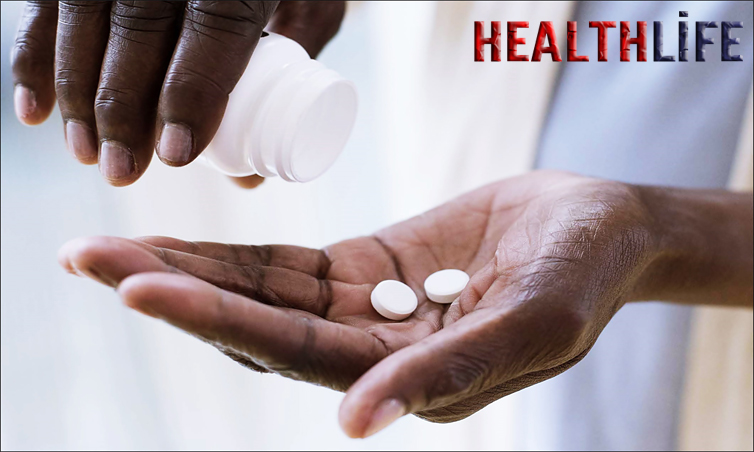
If the patient accidentally takes an extra dose than recommended, the risk of side effects increases. An extra dose of antibiotic taken by mistake is unlikely to cause serious harm to the person. However, it is normal to experience side effects such as diarrhea, pain and nausea in the stomach. If the patient accidentally takes more than 1 extra dose of antibiotic, is worried about this situation or experiences serious side effects, they should contact their doctor or call the emergency call center as soon as possible.
What are the Types of Antibiotics?
– Macrolides,
– Penicillins,
– Aminoglycosides,
– Cephalosporins,
– Tetracyclines,
– Fluoroquinolones.
When Should Antibiotics Be Taken?
– Conditions that carry a risk of more serious complications, such as cellulitis or pneumonia,
– In cases where evidence suggests that antibiotics can significantly speed up recovery,
– Non-serious illnesses that can spread to other people if not treated promptly,
– Non-serious illnesses that are unlikely to go away without antibiotics, such as acne,
– People with heart failure,
– People who need to take insulin for diabetes,
– People over the age of 75,
– People whose immune systems are weakened due to underlying health conditions, such as HIV, or as a side effect of certain treatments, such as chemotherapy,
– Babies who are less than 72 hours old, have a bacterial infection, or are at higher than average risk of developing the infection.
Antibiotic Side Effects
– Diarrhea,
– Bloating and indigestion,
– Nausea,
– Vomiting.
What are the Side Effects of Antibiotics, antibiotics can interact with drugs or substances in some cases. This indicates that they may have different effects than expected. A doctor or pharmacist should be consulted to check whether it is safe to take the drugs with antibiotics. If you have been diagnosed with a pelvic fracture and new or related symptoms appear, you should definitely see a doctor. If you have questions about our article on what are the side effects of antibiotics, you can ask us in the comments section or on our social networks. You can share our page on what are the side effects of antibiotics with your friends so that they can be informed, and you can inform your friends about our article on what are the side effects of antibiotics.
For your questions and complaints, you can write to us in the comments section. We are trying to help you with all your problems.
Our other recommendation link that may attract your attention; Why Is Tonsillectomy Performed?