Who Can Undergo Hip Arthroscopy? How is Hip Arthroscopy Performed? How long does hip arthroscopy surgery take? Some information you are curious about…
Who Can Undergo Hip Arthroscopy? How is Hip Arthroscopy Performed?
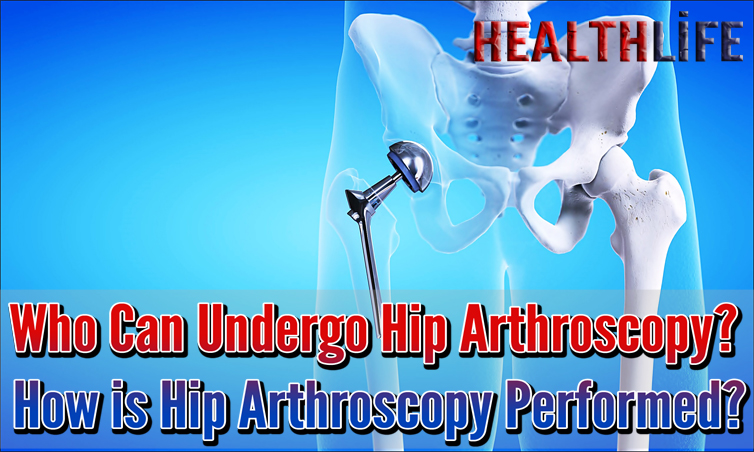
In order to treat hip problems, the preferred type of minimally invasive surgery is called hip arthroscopy. In the content of our article, you, our valued friends, can find detailed answers to the questions How long does hip arthroscopy surgery take? and How is hip arthroscopy performed? So Who is hip arthroscopy performed for?
The surgeon opens a few small incisions in the hip skin and enters the hip joint with a special tool called an arthroscope. The astroscope contains a camera and light that allows the surgeon to determine and repair damage inside the hip. Other small tools needed to repair damage to bones or connective tissue can also be placed in this way. The incisions required for hip arthroscopy are much smaller than other types of surgery. This means that it will cause less stress on the body compared to other procedures. After hip arthroscopy, many patients need a few months to recover. You can access more information about who can have hip arthroscopy by continuing our article.
How Long Does Hip Arthroscopy Surgery Take?
How is Hip Arthroscopy Performed?
Anyone with hip pain that has not responded to all other treatments is eligible for hip arthroscopy. Hip arthroscopy also helps individuals who have difficulty moving properly due to a problem in the hip joint. In general, your specialist doctor recommends arthroscopy only after determining the cause of the pain and being completely sure that nonsurgical treatments such as steroid injections or physical therapy have not worked.
Before hip arthroscopy; Be sure to tell your specialist doctor about everything you use, including over-the-counter medications and herbal supplements. This is especially important if you are taking any medications to prevent blood clots. Your surgeon will tell you which medications you should stop taking or how you should change your daily routine. If you smoke or use other tobacco products, try to quit. In addition to all the health risks, smoking makes it harder for the body to heal after surgery. Alcohol thins the blood. Therefore, having alcohol in your system before and after surgery can be dangerous for you. Before your hip arthroscopy, let your specialist know if you need to avoid eating or drinking anything. You may need to refrain from eating or drinking anything for 12 hours before your surgery.
After hip arthroscopy; It is usually a surgery that does not require hospitalization. In other words, you can go home on the day of your procedure. It is an outpatient surgery. Most people may need to wear a support device on their hips for about 3 weeks after the surgery. After the procedure, you will need to use crutches for a few weeks. You should not put any weight on your hip for at least 1 week. Your specialist will provide you with a personalized treatment plan and will review the results of your surgery with you. Some things you need to do after hip arthroscopy;
– Do not bathe until the incision is healed.
– Keep the incision clean and covered.
– Use nonsteroidal anti-inflammatory drugs for pain after surgery.
– Apply ice to the area where the procedure was performed and keep it elevated.
– Avoid putting weight or pressure on your hip, including while sleeping.
Advantages of Hip Arthroscopy
– Less pain after surgery,
– Minimal blood loss and smaller scars,
– Faster recovery,
– Lower risk of complications compared to more invasive surgical techniques.
What are the Risk Factors for Hip Arthroscopy?
– Infections,
– Excessive bleeding or swelling,
– Damage to surrounding tissue or nerves,
– Blood clots, including deep vein thrombosis, affecting important organs,
– Allergic reactions to anesthetic drugs,
– The need for further surgery if your underlying problems do not improve,
– Numbness or tingling in your groin, thigh or foot.
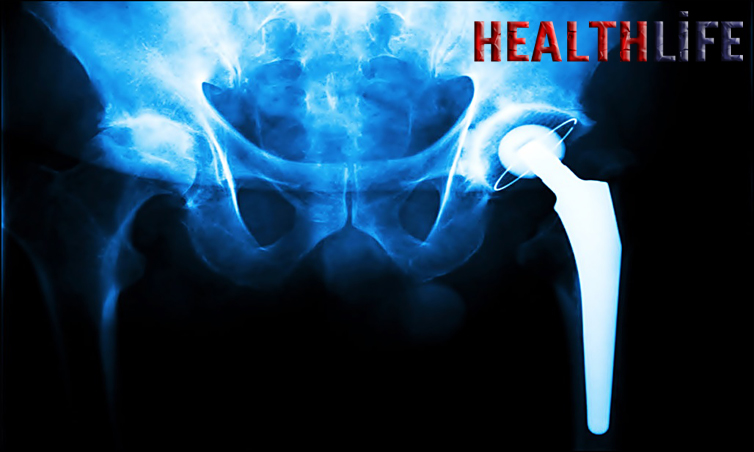
Most people recover from hip arthroscopy in about 6 weeks. The time it takes to fully recover can vary depending on why you had surgery. After surgery, you will need to use crutches for 1 or 2 weeks. After this time, you should be able to walk and put more weight on your hip. After hip arthroscopy, you will need to start physical therapy. Physical therapy can last from a few weeks to a few months. You can return to strenuous exercise or sports in about 12 weeks.
Who is Performed for Hip Arthroscopy If your job or school involves sitting at a desk, you can return to work or school in 1 or 2 weeks after hip arthroscopy. You should consult your specialist before resuming any activity that may put pressure on your hip. If you have been diagnosed with a pelvic fracture and you develop new or concerning symptoms, you should definitely see a doctor. If you have questions about our article on who is a candidate for hip arthroscopy, you can ask us in the comments section or on our social networks. You can share our page on who is a candidate for hip arthroscopy with your friends so that they can be informed, and you can inform your friends about our article on who is a candidate for hip arthroscopy.
For your questions and complaints, you can write to us in the comments section. We are trying to help you with all your problems.
Our other recommendation link that may attract your attention; What Are The Side Effects Of Antibiotics?