Uncover the secrets of perfumes! From composition to selection tips, get everything you need to choose your signature scent effortlessly.
So, what exactly makes up this enchanting elixir? At its core, perfume is a blend of essential oils, aroma compounds, and solvents. But wait, don’t get lost in the science just yet! Imagine each ingredient as a note in a symphony; when they come together, they create an unforgettable melody that dances through the air. You’ve got top notes, which are the first things you smell, like a fresh breeze. Then there are heart notes that unfold next, acting as the perfume’s soul, and finally, the base notes—deep and lasting, just like the comforting embrace of an old friend.

Choosing a fragrance can feel like trying to pick a favorite child. There are floral scents, spicy notes, and woody undertones—each suited for different moods and occasions. When shopping for a new scent, it’s all about trial and error, right? Don’t just stick to the pretty bottles; test them out! Spray a little on your wrist and give it some time to breathe. You wouldn’t buy a car without a test drive, would you?
The Art of Scent: Unraveling the Mysteries Behind Perfumes
Think of perfumes as symphonies for your nose. The top notes are like a catchy melody that grabs your attention right away, while the heart notes follow, adding depth and complexity, much like a powerful chorus. Finally, the base notes linger long after the music fades, grounding the scent and leaving a lasting impression. This beautiful blend is no accident; perfumers spend years mastering the balance of ingredients, like artists mixing colors on a palette.
And let’s dive into the fascinating world of ingredients—have you ever wondered what makes your favorite scent so irresistible? Classic elements like rose, jasmine, and vanilla can evoke feelings of love and comfort, while more exotic notes like sandalwood or patchouli can create an air of mystery. It’s all about the story the scent wants to tell! The process of creating a perfume is akin to cooking a gourmet meal; it requires precision, passion, and an understanding of how different elements interact.
From Floral to Woody: A Guide to Choosing Your Signature Scent
Let’s break it down. Picture this: floral fragrances are like a summer garden where every bloom tells a story—notes of jasmine, rose, and peony create a playful, flirtatious aroma perfect for brightening your day. These scents often evoke feelings of happiness and nostalgia, akin to the first day of spring. If you’re someone who loves to feel light and fresh, floral might just be your calling!
On the flip side, woody fragrances—imagine standing in a sunlit forest—bring depth and warmth. Notes like sandalwood, cedar, and vetiver confer a sense of sophistication and grounding. They’re like the cozy embrace of a well-loved sweater on a chilly evening. If you’re seeking something that leaves a lasting impression, especially in a professional setting, woody could be your go-to.
But why stop at just one? Think of your scent wardrobe—like your closet—where you can mix and match depending on your mood or the occasion. Maybe a floral scent for brunch with friends and a woody one for that big meeting.
Ultimately, the journey of finding your signature scent is all about exploration. So, spritz, sniff, and savor; each fragrance takes you somewhere new. After all, what’s life without a little adventure in scent?
The Science of Smell: How Perfumes Influence Mood and Memory
Perfumes and scents don’t just tickle our noses—they have the amazing ability to influence our mood. Imagine walking into a room filled with fresh lavender. Instant calm, right? That’s because certain scents have been shown to trigger emotional responses. Citrus fragrances can energize you, while warm vanilla might wrap you in a cozy blanket of happiness. It’s like how a great song can change your entire vibe.
But why does this happen? When you inhale a scent, molecules travel through your nasal passages to your olfactory bulbs, which then send signals to the amygdala—the emotion center of your brain. That’s why you might feel a rush of joy or nostalgia when you smell a familiar scent. It’s as if your brain has a dedicated playlist for fragrances, recalling the best hits of your past.
Moreover, perfume can become a signature mark of who you are. When friends catch that familiar whiff of your favorite scent, it’s like a warm hug that reminds them of you. So whether you’re spritzing on a floral fragrance before a big meeting or enjoying a calming aroma during a tough day, remember that each scent has a story—and it’s playing a big part in how you feel and remember the moments that shape your life.
Decoding Fragrance Families: Which One Fits Your Personality?
Let’s break it down. Imagine the Citrus family as that bubbly friend who’s always fun and refreshing. It’s vibrant, bright, and uplifting—perfect for a sunny day or when you need a little pep in your step. If you’re the type who loves to start the day with a zesty breakfast, this might just be your go-to!
Then we have the Floral family, often likened to romance and sweetness. Think of it as the warm hug from a loved one—inviting and comforting. If you’re the sentimental type, enjoying cozy nights in with a good book or a heartwarming movie, floral scents might just speak to your soul.
Next up is the Woody family. Picture yourself wandering through a serene forest, surrounded by the sturdy embrace of ancient trees. If you appreciate nature and find comfort in stability, woody fragrances—like sandalwood or cedar—might resonate with your personality.
Lastly, let’s not forget about the Oriental family. This is for the adventurous spirit, the one who loves a little mystery and excitement. Rich and exotic, these scents can transport you to another place, making every day feel like a new adventure.
So, when you’re selecting your next fragrance, think of it as choosing an outfit for your personality. What mood do you want to express today? With a little exploration, you’re bound to find the scent that feels just right!
Behind the Bottle: The History and Evolution of Perfume Making
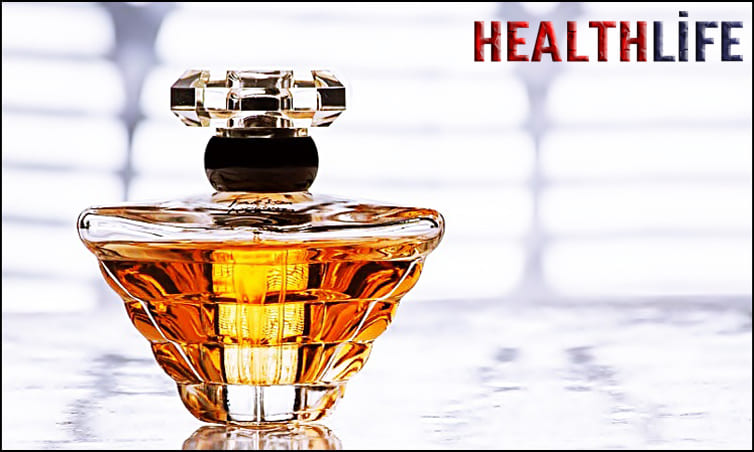
Picture this: the ancient Egyptians, around 3000 BC, mixing myrrh and frankincense, crafting aromatic offerings for their deities. Not just a way to smell good, it was a matter of connecting the earthly to the divine. Fast forward to the Roman Empire, where scent became a status symbol. The wealthy would splash their clothes with perfume, transforming mere threads into statements of luxury.
But wait, here comes the Renaissance! It was a vibrant period of exploration and creativity. This is when perfume began to evolve from being a religious artifact to a personal accessory. Exceptional artisans, inspired by nature, started to blend essential oils with creative finesse. The legendary scent-makers of Grasse in France emerged, and the aroma industry began to blossom like a flower after spring rain.
By the 19th century, chemistry stepped onto the scene, revolutionizing perfume creation. Synthetic compounds entered the stage, allowing for scents that nature never dreamed of. This was akin to opening Pandora’s box—new possibilities flooded in, and suddenly a whole new world of fragrances awaited us.
For your questions and complaints, you can write to us in the comments section. We are trying to help you with all your problems.
Our other recommendation link that may attract your attention; How Do Antioxidants Affect The Skin?