How Does A Pelvic Fracture Happen? How Does Pelvic Fracture Heal? How is pelvic fracture treated? We have compiled some information about it in our article.
How Does A Pelvic Fracture Happen? How Does Pelvic Fracture Heal?

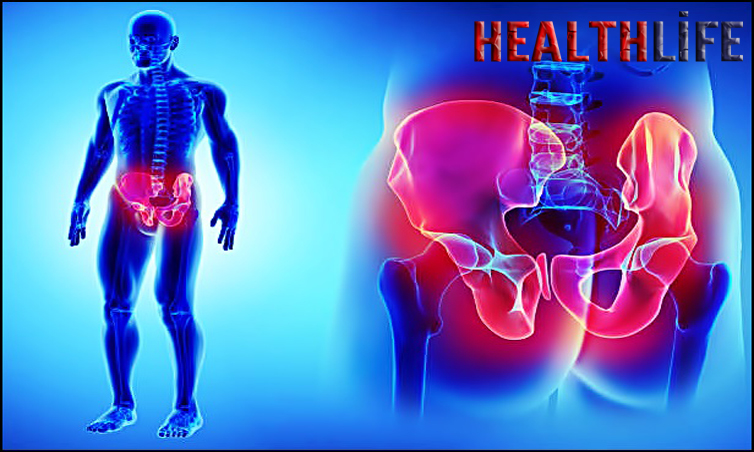
A pelvic fracture occurs when one or more bones that make up the pelvis break. The pelvis is the area located under the abdomen, between the hip bones. Pelvic fractures can be mild or severe. In the content of our article, you can find detailed answers to the questions How is a pelvic fracture treated? and How does a pelvic fracture heal? for our valued friends. So How does a pelvic fracture occur?
A pelvic fracture can occur in anyone and at any age. Mild pelvic fractures are more common in older individuals due to the high probability of having bone weakening and disorders such as asteoporosis. Severe pelvic fractures can be seen most in individuals between the ages of 10 and 30. While men under the age of 40 are more likely to experience a pelvic fracture, women over the age of 40 are more likely to experience a pelvic fracture. Pelvic fractures are not very common. Only 3% of bone fractures experienced by adults are pelvic fractures. Most pelvic fractures are caused by high-impact events, such as car accidents or falls from significant heights. You can find more detailed information about the symptoms of pelvic fractures by continuing our article.
How Are Pelvic Fractures Treated?
Symptoms of Pelvic Fractures
– Difficulty walking or standing,
– Difficulty urinating,
– Pain in the abdomen,
– Numbness or tingling in the groin area or legs,
– Intense pain when walking or moving the back,
– Pain in the groin, hips, or lower back.
Because the pelvis is a very stable bone structure, most pelvic fractures occur as a result of high-impact events, such as car accidents or falls from significant heights. High-impact events often cause unstable pelvic fractures. Diseases that weaken bones, such as osteoporosis, can contribute to pelvic fractures. People with diseases that weaken the bones may experience a pelvic fracture while performing routine activities or as a result of a minor fall. Pelvic fractures caused by diseases that weaken the bones are usually stable fractures. Although not very common, people who do sports may experience a pelvic fracture known as an avulsion fracture. This fracture occurs when a tendon or ligament breaks away from the bone to which it is attached. In such a case, when the tendon or ligament breaks, it takes a small piece of bone with it. A pelvic avulsion fracture is usually a stable fracture.
All pelvic fractures require an x-ray to be diagnosed. The specialist may also request other imaging tests to obtain more information about the injury. Some tests may be performed for pelvic fractures. These are; MRI, CT Scan and x-ray. Pelvic fracture treatment is performed depending on certain factors. For example; the shape and type of fracture, how mild or severe the fracture is, which bones are displaced and how much, the patient’s general health status and other injuries, if any.
Mild and stable fractures where the bones are not displaced usually do not require surgery. Treatment of stable fractures is planned with rest, walking aids and medications. Treatment of more serious or unstable pelvic fractures usually requires one or more surgeries.
What are the Risk Factors for Pelvic Fractures?
– Playing certain sports,
– Having a history of falls,
– Having osteoporosis.
Although the least common type of pelvic fracture is playing certain sports, a pelvic avulsion fracture can occur when the tendon that connects a person’s hamstring muscles to their pelvis becomes detached from their pelvis and takes a small piece of bone with it. Individuals with a history of falls, especially older people, are more likely to experience a pelvic fracture due to a fall. Individuals with osteoporosis are also at higher risk of experiencing a pelvic fracture. Pelvic fractures account for 7% of all osteoporosis-related fractures in individuals over the age of 50.
How to Prevent Pelvic Fractures?
– Those who do sports should stretch appropriately,
– Care should be taken when using stairs,
– Safe driving,
– People with high fall risks should prefer walking aids.
How Does a Pelvic Fracture Happen, Those who experience pelvic fracture symptoms such as pain in the pelvic area or difficulty walking or standing should consult a specialist physician without delay. If you have been diagnosed with a pelvic fracture and new or related symptoms appear, you should definitely see a doctor. If you have questions about our article on how does a pelvic fracture happen, you can ask us in the comments section or on our social networks. You can share our page on how does a pelvic fracture happen with your friends so that they can be informed, and you can inform your friends about our article on how does a pelvic fracture happen.
For your questions and complaints, you can write to us in the comments section. We are trying to help you with all your problems.
Our other recommendation link that may attract your attention; How Do I Know If I Have Kyphosis?