How To Pass Baby Cradle Cap? What Causes Cradle Cap in Babies? How to Clean Cradle Cap in Babies? Here is some information you need to know about it in our article.
How To Pass Baby Cradle Cap? What Causes Cradle Cap in Babies?

The skin problem that occurs especially in the first weeks of life and is found on the scalp is called cradle cap. In the content of our article, you, our valuable friends, can find detailed answers to your questions about how to clean cradle cap in babies? and what are the causes of cradle cap in babies? So how does baby cradle cap pass?
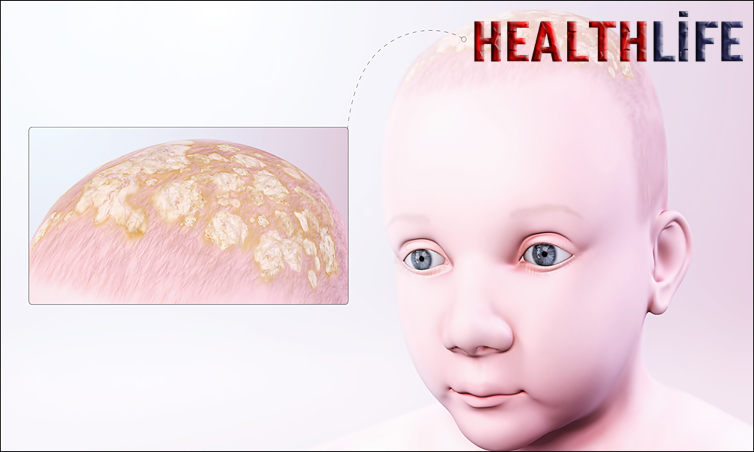
In babies, cradle cap is the hair of the baby that falls out to a large extent after birth and is quickly replaced by new ones. Dry skin crusts usually form on the scalp during this hair change process. These crusts cover the entire scalp in the future and form a hard layer that looks white or yellow-brown, and the yellow spots on the baby’s scalp are called cradle cap disease in medicine. When these layers are moisturized and kept soft and when attempts such as forced combing are not applied, they do not cause pain to the baby. However, they still need to be treated correctly. If not treated correctly, they recur frequently and can cause other skin problems in the baby in the future. You can access more detailed information about the causes of cradle cap in babies by continuing our article.
How to Clean Cradle Cap in Babies?
Causes of Cradle Cap in Babies
In the early stages of life, the baby’s skin changes a lot in order to adapt to the outside world. Some skin problems may occur during this process. At birth, the newborn’s skin is sterilized, so the skin is deprived of the beneficial bacterial flora that protects it. This makes both the skin and the baby much more sensitive to external factors. When the baby is approximately 6 weeks old, the skin flora develops and becomes richer in a way similar to adult skin. During these weeks, the baby’s skin begins to recognize various microorganisms and protect the baby by removing them. However, until this flora fully develops and settles, the skin appears extremely dry and tight. In this case, the body tries to soften the dry and tight skin tissue by producing excessive amounts of oil.
This event, which is extremely beneficial for many areas of the skin, can cause some problems in the scalp. The excessively produced oily substances accumulate in the baby’s hair and skin and later dry out and form a crust, forming yellow-brown crust layers. Another reason why the baby’s skin produces more oil than normal after birth is that many pregnancy-related hormones passed on from the mother are still circulating in the baby’s blood. These hormones are hormones that are compatible with fat by their structure, and the body tends to produce more oil than normal in the presence of these hormones.
When applying cradle cap cleaning to babies, a few important points should be taken into consideration. Although the cradle cap cleaning process is beneficial in some cases, the risk of damage to the baby’s scalp during the process is extremely high. Therefore, it is very important to have detailed information about this process before cleaning the crusty layer.
First of all, it is necessary to correctly identify the areas on the head where the cradle cap is located. Then, these areas are massaged with an oil of appropriate content such as pure olive oil or baby oil, and the hard parts should be softened. Softening the dry and crusty layer is the first and most important step in the cradle cap cleaning process in babies. If this layer does not soften and the cleaning process is performed while the crusts are still hard, the baby’s scalp may be damaged. The upper layer of the skin peels off and may bleed. This situation both causes the baby to suffer and increases the risk of infection in the scalp.
How Should Cradle Cap Be Cleaned in Babies?
After the cradle cap is softened with an oil of suitable content, the scalp should be washed well with baby shampoo. During this application, having the baby take a warm shower helps him relax, calm down and makes the cradle cap cleaning process much easier. The cradle cap layer, which is cleaned of oil during the shower, softens with the effect of warm water and becomes ready to be cleaned. The best way to remove the softened layer from the baby’s scalp is to comb the hair and scalp with a soft brush after bathing. In this way, the cradle cap is easily removed, while irritation of the skin is prevented and the skin integrity is also preserved.
Cradle cap problem in babies is one of the serious problems that recur frequently when proper care is not provided and affects the baby’s scalp development as well as its comfort. In order to get rid of the cradle cap, it should first be cleaned correctly and the tissue integrity of the scalp should not be damaged during the cleaning process. It is necessary to apply skin care to the area that is softened by massaging with appropriate baby oil or pure virgin olive oil and then cleaned with a soft brush at appropriate intervals. Otherwise, the cradle caps are only removed once and the risk of recurrence in a short time is quite high. It is very important for the baby to receive appropriate hair care and to wash them regularly every day with shampoos specially produced for babies. In babies who are deprived of appropriate cleaning and care, various health problems develop in addition to cradle cap and similar skin problems. Therefore, regular care is required in order to both eliminate the existing blood in the hair and to obtain a healthy skin texture and prevent such problems from recurring.
Massaging the scalp with oils suitable for the scalp before showering or products developed for cradle cap treatment and then combing the area with a soft brush is sufficient to remove the cradle cap layer. However, recurring cradle cap problems in babies require more holistic care. At this point, it is necessary to add the baby’s scalp care to the daily care routine and massage the scalp with valuable oils every day. With oils and massage, the baby’s scalp is softened and nourished, and the risk of recurrence of the cradle cap problem is greatly reduced.
How is Cradle Cap Treated in Babies?
Since the cradle cap appears with drying and flaking, the first step towards curing cradle cap is to moisturize the affected area of the skin correctly. Even if the cradle cap is removed from that area, it can reoccur in a short time or be encountered in other areas. Therefore, in order to completely cure the cradle cap problem, it is necessary to apply the care it needs to the scalp correctly and for the right period of time.
Cradle cap treatment in babies is mostly preferred when problems such as redness, itching, increased sensitivity, bleeding, leakage and discharge occur on the scalp. This may be a sign of infection on the baby’s skin or it brings the skin close to infection. Since the baby’s healthy skin flora has not yet developed, the skin cannot fully fulfill its protective function. Any infection that develops on the baby’s skin tends to intensify rapidly. This puts the baby’s health integrity and development at risk. Therefore, it is one of the important issues to focus on from the beginning of cradle cap in babies. Especially in the presence of persistent cradle cap and in cases where the baby’s discomfort level increases, the scalp should be evaluated by a specialist dermatologist and a treatment plan appropriate for the baby should be applied in line with the doctor’s recommendations.
How Does Baby Cradle Cap Go Away, cradle cap is the name given to the thick, crusty, oily or flaky parts that appear on the head of newborn babies. In some cases, this may be accompanied by a slight redness or rash. Cradle cap can also be seen on the baby’s face, including the ears, eyelids and nose, and in the groin area. If you have questions about our article on how does baby cradle cap go away, you can ask us in the comments section or on our social networks. You can share our page on how does baby cradle cap go away with your friends so that they can be informed, and you can inform your friends about our article on how does baby cradle cap go away.
For your questions and complaints, you can write to us in the comments section. We are trying to help you with all your problems.
Our other recommendation link that may attract your attention; What Are The Causes Of Oligospermia?