How To Understand Flower Allergy What are the Symptoms of Flower Allergy? What is flower allergy? We have compiled some curious information about it in our article.
How To Understand Flower Allergy? What are the Symptoms of Flower Allergy?
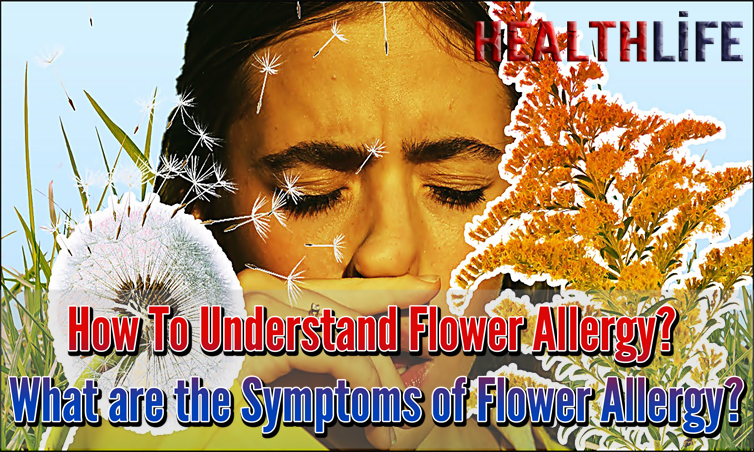
Allergens are the body’s exaggerated response to substances that are not normally harmful. This exaggerated response can sometimes occur in the whole body and sometimes in one part of the body. In the content of our article, you, our dear friends, can find detailed answers to the questions what is flower allergy? and what are the symptoms of flower allergy?. So How is flower allergy diagnosed?
Allergy is a very common disease today. Genetic predisposition and environmental factors play an important role in its emergence. The immune system normally protects the body against microbes and harmful substances such as bacteria and viruses. However, if the immune system begins to respond exaggeratedly to substances that are not normally harmful, this is called allergy. The immune systems of allergic patients are extremely sensitive to some substances. When exposed to these substances, the immune system goes out of control and allergic complaints such as redness, itching, swelling, spasm, tearing, and runny nose occur.
The substance that triggers allergy is called allergen. Mold, pollen, animal dander, house dust, medications and foods are the most common types of allergens. The condition that occurs especially in the spring season and is accompanied by symptoms of runny nose, nasal congestion, watery eyes and sneezing is called spring allergy or seasonal allergic rhinitis. The causes of spring allergies are pollen spread from trees and grass. Pollen accumulates from the air by sticking to the nose, eyes and throat. Then, an allergic reaction and related symptoms occur. You can find more detailed information about flower allergy symptoms by continuing our article.
What Causes Flower Allergy?
Flower Allergy Symptoms
Having allergic rhinitis symptoms lasting less than 4 days a week or less than 4 weeks is defined as intermittent allergic rhinitis, and having allergic rhinitis symptoms lasting more than 4 days a week or more than 4 weeks is defined as persistent allergic rhinitis. Although allergic rhinitis can occur at any age, the most common age of onset is the transition from childhood to adulthood. Approximately 50% of people with allergic rhinitis have a positive family history. Of the children whose parents had allergic rhinitis, 68% showed their first allergy symptoms before the age of 10, and 85% before the age of 20. The probability of allergy symptoms disappearing is around 10% and is only seen in mild forms of the disease.
– Cough,
– Headache,
– Itching in the palate and larynx,
– Sleep disorder,
– Perception difficulty,
– Fatigue,
– Frequent rubbing and scratching of hands on the nose in pediatric patients,
– Decrease in the sense of smell and taste,
– Swelling and bluish color of the under-eyes,
– Pressure in the sinuses and pain in the face,
– Itching in the nose and eyes,
– Watery runny nose,
– Sneezing fits,
– Nasal congestion.
Flower Allergy Risk Factors
– Feeding the baby with artificial formulas before the age of 1,
– Smoking at home,
– Feeding animals at home,
– Being the first child in the family,
– Air pollution,
– Black race,
– High socioeconomic level,
– Having a family history of allergies or atopy.
How To Avoid Flower Allergy
– Do not lie on the ground in grassy and flowery environments,
– Smoking increases complaints greatly. Do not smoke and stay away from smoking environments.
– In seasons when pollen is high, choose a suitable mask,
– Stay away from environments where grass is mowed,
– Do not stand in front of open doors and windows in public transportation.
– Try not to be outside in windy weather,
– Do not neglect regular doctor checks,

– Use your medications prescribed by your doctor regularly,
– Do not open doors or windows during hours when pollen levels are high.
– Take care to dry your laundry during pollen season,
– If you have very severe bugs, use a pollen filter in your home and vehicle,
– When you come home, take a shower and wash your face with plenty of water,
– Wear long-sleeved dresses and trousers,
– Change your clothes when you get home,
– If you have pink eye, use sunglasses,
– Choose a brimmed hat,
– Prefer indoor areas for sports during pollen season,
– Do not go out unless necessary in dry and windy weather or in the morning hours when pollen levels are high.
Can Flower Allergy Be Treated?
Can Flower Allergy Go Away?
Having allergic rhinitis symptoms lasting less than 4 days a week or less than 4 weeks is defined as intermittent allergic rhinitis, and having allergic rhinitis symptoms lasting more than 4 days a week or more than 4 weeks is defined as persistent allergic rhinitis. Although allergic rhinitis can occur at any age, the most common age of onset is the transition from childhood to adulthood. Approximately 50% of people with allergic rhinitis have a positive family history. Of the children whose parents had allergic rhinitis, 68% showed their first allergy symptoms before the age of 10, and 85% before the age of 20. The probability of allergy symptoms disappearing is around 10% and is only seen in mild forms of the disease.
Allergens should be avoided and must be protected at all costs. One should live away from stress and consume alcohol and cigarettes. Some patients are treated with immunotherapy, that is, vaccination. Patients to be selected for immunotherapy are generally patients whose allergies cannot be controlled with medications or who are disturbed by drug side effects. If the patient has allergy symptoms for at least 2 seasons or 6 months, vaccination may be considered.
How To Understand Flower Allergy, if you have questions about our article on how to recognize flower allergy, you can ask us in the comments section or on our social networks. You can inform your friends about our article on how to understand flower allergy by sharing our page with them so that they can also be informed.
For your questions and complaints, you can write to us in the comments section. We are trying to help you with all your problems.
Our other recommendation link that may attract your attention; What Are The Symptoms Of Savant Syndrome?