What Are The Causes Of Hperkeratosis? How Is Hyperkeratosis Treated? We have compiled some information about the symptoms of hyperkeratosis in our article.
What Are The Causes Of Hperkeratosis? How Is Hyperkeratosis Treated?
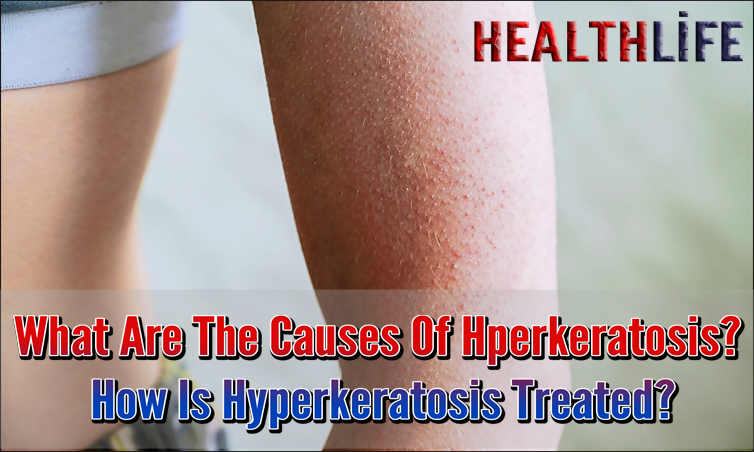
The medical term for thickening of the outer layers of the skin is called hyperkeratosis. It can become thicker than normal in any part of the human skin. In the content of our article, you, our dear friends, can find detailed answers to the questions “symptoms of hyperkeratosis” and “how is hyperkeratosis treated?” that we have prepared. So What are the causes of hyperkeratosis?
The protein called keratin is found in many tissues of the body. Keratin plays a protective role in the body. Body parts where keratin is found most: Skin, body hair, hair and nails. This protein, called keratin, is produced more than it should be for some reasons. In this case, thickening of the skin occurs and this condition is called hyperkeratosis.
While the occurrence of hyperkeratosis may sometimes be due to genetic reasons, sometimes it occurs as a result of environmental factors. Skin thickening usually occurs as a result of reasons that develop in later years of life. Diagnosis is easy and treatment steps can be started in a short time. There are many different types of hyperkeratosis. Most cases can be cured in a short time with preventive measures and medication treatments. You can find more detailed information about the causes of hyperkeratosis by continuing our article.
What Are The Symptoms Of Hyperkeratosis?
Causes Of Hyperkeratosis
– Irritation of the skin,
– Inflammation,
– Continuous injury,
– Excessive pressure.
There are a number of environmental factors that lead to hyperkeratosis occurring. Hyperkeratosis may occur as a result of constant irritation of a certain skin area or constant exposure to excessive pressure. The body wants to protect the area that is constantly irritated or constantly exposed to excessive pressure. For this reason, it produces extra keratin. The tissue with increased keratin amount will harden and turn into a different tissue structure. This is the mechanism by which hyperkeratosis occurs. Another reason that causes hyperkeratosis is hereditary factors. Due to defects in the gene structure, keratin production may be higher than normal. This condition can lead to hyperkeratosis in many body parts.
Hyperkeratosis Symptoms
– Scaly or rough skin area,
– Formation of lesions in different colors,
– Redness in the affected area,
– Pain in the hyperkeratotic area,
– Cracks on the skin,
– Dryness in the affected area,
– Thickening of the skin.
Hyperkeratosis Characteristics;
– Conditions such as eczema and psoriasis are types of hyperkeratosis.
– Skin thickening may be a preliminary symptom of some skin cancers.
– It may occur due to inflammation or exposure to excessive pressure.
– Some types of hyperkeratosis are of hereditary origin.
– It occurs as a result of increased keratin production.
– It means the thickening of the outer layers of the skin.
Some of the hyperkeratosis lesions resemble cancerous growths. However, they are largely benign skin lesions. To get more detailed information about skin lesions, you can consult your physician. If hyperkeratosis causes the following symptoms, you may see a physician soon.
– If it has an infected appearance,
– If it is filled with pus or abscessed,
– If it is red or swollen,
– If it itches constantly,
– If it causes discomfort,
– If it causes pain.
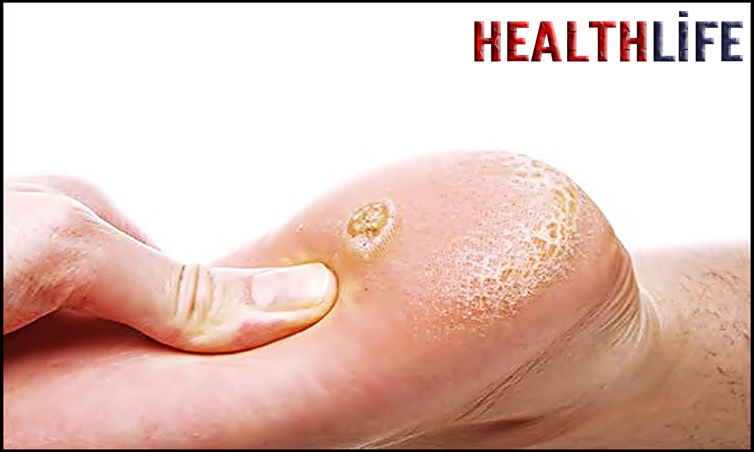
It would be beneficial to see a doctor for thickening in any part of your skin. If the level of thickening increases and you have additional symptoms, you should go to a healthcare institution soon. Your physician will first listen to your complaints and take your medical history. He or she will ask some questions to determine the causes of skin thickening. Then, he or she will perform a physical examination and examine the skin thickening in detail. Depending on the nature of the lesion, you will also need to have some diagnostic tests. For some types of hyperkeratosis, a skin biopsy may be required. Pathological sampling is very important for skin lesions that have a cancerous appearance. Diagnosis of hyperkeratosis is largely made through physical examination. At some points, differential diagnostic tests may be needed.
How To Treat Hyperkeratosis?
Hyperkeratosis Diagnostic Tests
– Skin biopsy,
– Various imaging tests,
– Various hormone tests,
– Blood biochemistry,
– Complete blood test.
Treatment of hyperkeratosis largely depends on the form of the lesion. Treatment options may vary depending on the type and characteristics of the lesion. There are many different treatment options for other options for hyperkeratosis. First of all, the type of lesion should be determined and a treatment approach appropriate to the lesion type should be implemented. While some types of hyperkeratosis resolve spontaneously, others may require long-term treatment. Your physician will give you information about the best treatment plan for hyperkeratosis treatment.
Methods Applied In The Treatment Of Other Types Of Hyperkeratosis
– Surgical treatment,
– Gene therapy,
– Scraping with a curette,
– Systemic drugs,
– Ointments,
– Creams,
– Cryosurgery.
Can Hyperkeratosis Be Prevented?
– Wear a hat and long sleeves when going out in the sun,
– Use sunscreen,
– Avoid situations that may cause skin inflammation,
– Avoid very hot or very hot environments,
– Do not use substances such as harsh chemicals and perfumed soaps on your skin,
– You should attach an object as a buffer to the callus or corn,
– Wear comfortable shoes that fit your feet,
– Do not walk barefoot in places where mushroom density is high,
– Avoid prolonged exposure to dry air. Moisturize your body to protect against the effects of dry air.
There are many types of hyperkeratosis that do not cause pain. Some types, such as warts and calluses, can be removed with a small incision, while other types can be treated with various medications. If you have thickened skin on your body, you notice that this condition is progressing or you have additional symptoms, you can consult a dermatologist. It may not always be possible to prevent skin thickening. By taking into account the advice we have given above, you can protect yourself from new hyperkeratotic lesions or manage hyperkeratotic skin lesions better.
What Are The Causes Of Hperkeratosis, if you have questions about our article on what are the causes of hyperkeratosis, you can ask us in the comments section or on our social networks. What are the causes of hyperkeratosis? You can inform your friends about our article about what are the causes of hyperkeratosis by sharing our page with them so that they can also be informed.
For your questions and complaints, you can write to us in the comments section. We are trying to help you with all your problems.
Our other recommendation link that may attract your attention; How To Use Sinupret Syrup?