What Are The Symptoms Of Albinism? What are the causes of albinism? How is albinism treated? We have compiled some information about it in our article.
What Are The Symptoms Of Albinism? What are the causes of albinism?
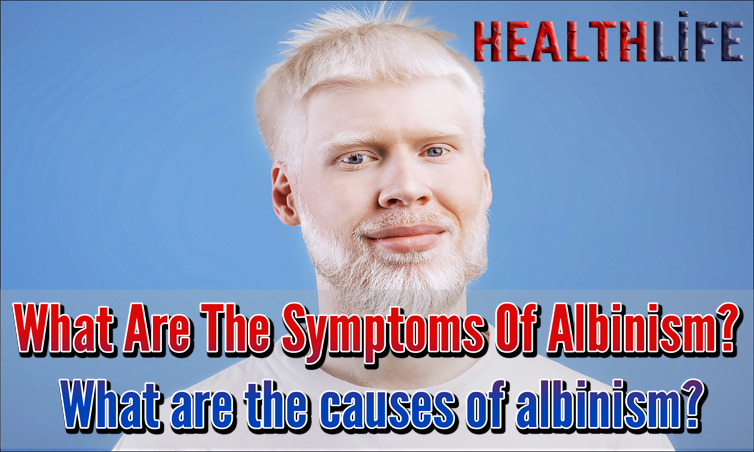
Albinism is derived from the Latin word albus and means white. It is stated as a genetic disorder in which the pigment melanin production is very low or absent. In the content of our article, you, our valued friends, can access and learn the answers to the questions How is albinism treated? and What are the causes of albinism? in detail. So What are the symptoms of albinism?
Melanin, which is produced in sufficient quantities by the body, is important for determining the color of the skin, hair and eyes, as well as the development of the optic nerves in the eyes. Partial or complete deficiency of the pigment melanin in the body causes albinism, causing paleness in the skin and hair color and loss of vision in the eyes. The symptoms of albinism are generally more visible on the patient’s skin, hair and eye color. Since albinism patients are much more sensitive to sunlight, the risk of skin cancer is higher than normal individuals if they do not take precautions.
Melanin is produced by cells called melanocytes located in the skin, hair and eyes. A mutation in any of these genes can reduce melanin production or cause it not to be produced at all. Different types of albinism can occur depending on mutations in different genes. Melanin normally absorbs UV light from the sun and prevents skin damage, and when exposed to the sun, the skin tans with the increased melanin in the skin. In patients with albinism, exposure to sunlight due to melanin deficiency causes sunburn. As a result of melanin deficiency, which is also important in the development of the eye and optic nerve, changes in the neural connections between the retina and the brain and a disease called foveal hypoplasia can be seen, and visual impairments can occur. You can reach more detailed information about the symptoms of albinism by continuing to our article.
Is There a Treatment for Albinism?
Symptoms of Albinism
– Visual impairment,
– Eye color,
– Hair,
– Freckles,
– Skin.
Pigmented or generally pink pigmentless moles may be encountered. Patients also have lentil-sized freckle-like spots. It is the most well-known feature of albinism, and generally manifests itself with white hair and light-colored skin compared to the patient’s siblings. Skin color and hair color can range from white to brown or can be almost the same as the color of the mother, father or siblings without albinism. Skin symptoms may not be apparent in ocular albinism. Tanning can be seen with increasing pigment and sun exposure with age. The eyelashes and eyebrows of albino patients are generally pale. Eye color can range from very light blue to brown. In the colored part of the eyes, the iris is semi-transparent due to lack of pigment. This condition in the iris means that the patient cannot completely block light from entering the eye and that light entering the eye causes a decrease in visual acuity. For this reason, very light-colored eyes can also be seen as red in some lights.
The hair color of albinism patients can vary from white to brown. The hair color of people of African or Asian origin with albinism can be yellow, brown or a shade in between. Some minerals caused by environmental factors that the patient is exposed to in later ages cause the hair to stain or become darker with age. Visual impairment is among the most important symptoms for albinism patients.
Some Eye Problems in Albinism
– Poor depth perception,
– Abnormal curvature of the front surface of the eye or the lens inside the eye that causes blurry vision,
– Inability to see far and near clearly,
– Inability of both eyes to look at the same point or to move at the same time,
– Rapid and involuntary movement of the eyes,
– Sensitivity to light caused by light scattering inside the eye,
– Partial or complete loss of vision,
– Decreased visual acuity,
– Incorrect orientation of the image on the retina that does not follow normal nerve pathways,
How is Albinism Treated?
Albinism is a genetic disease that occurs as a result of a disorder in DNA. There is no definitive treatment. However, some precautions should be taken to protect the skin and eyes of patients and to maximize their vision. The skin of albinism patients is more sensitive to sunlight due to the lack of melanin and is very risky in terms of sunburn. For this reason, they should definitely take sun protection measures. Sunscreen should be used, UV-protective or thick clothing and a hat should be worn outside.
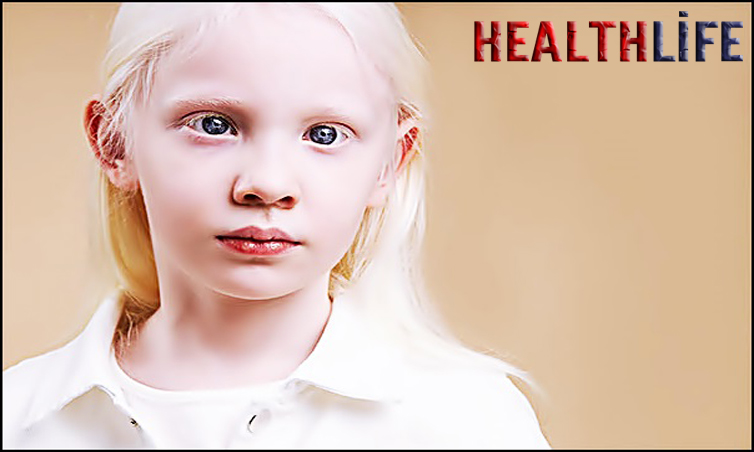
Albinism patients who do not take the necessary precautions against sunlight are also at high risk for sunburn and therefore skin cancer. Large print and high contrast textbooks should be provided for vision problems and it is preferred for them to sit in the front rows in group educations. It is also recommended that they use sunglasses in terms of light sensitivity. Albinism patients may also experience difficulties in their social lives due to different skin, hair and eye colors. This situation causes loss of self-confidence, especially for albinism patients in childhood. In order for a child or adult patient with albinism not to experience this situation, it would be beneficial for the patient and the family to be given supportive education about this disease.
Patients with Hermansky-Pudlak syndrome may also require platelet and blood transfusion for bleeding disorders and steroid use is effective for lung fibrosis. In patients with Chediak-Higashi syndrome, treatment of infections should not be neglected and if necessary, bone marrow transplantation should be considered. Since there is no definitive treatment for albinism, it is of great importance for patients to heed the recommendations and not to neglect doctor check-ups in terms of the course of the disease.
What are the Symptoms of Albinism, in albinism disease, albinism carrier status in the family can be detected as a result of the tests applied, if there is a risk for the children to be born, it can be determined and the possibility of the disease passing on to the next generations is minimized. If you have questions about our article on what are the symptoms of albinism, you can ask us in the comments section or on our social networks. You can share our page on what are the symptoms of albinism with your friends so that they can be informed, and you can inform your friends about our article on what are the symptoms of albinism.
For your questions and complaints, you can write to us in the comments section. We are trying to help you with all your problems.
Our other recommendation link that may attract your attention; What Are The Symptoms Of Gynecological Cancer?