What Are The Symptoms Of Cerebral Palsy? How is cerebral palsy diagnosed?, How is cerebral palsy prevented? We have prepared some information that you are curious about.
What Are The Symptoms Of Cerebral Palsy? How is cerebral palsy diagnosed?
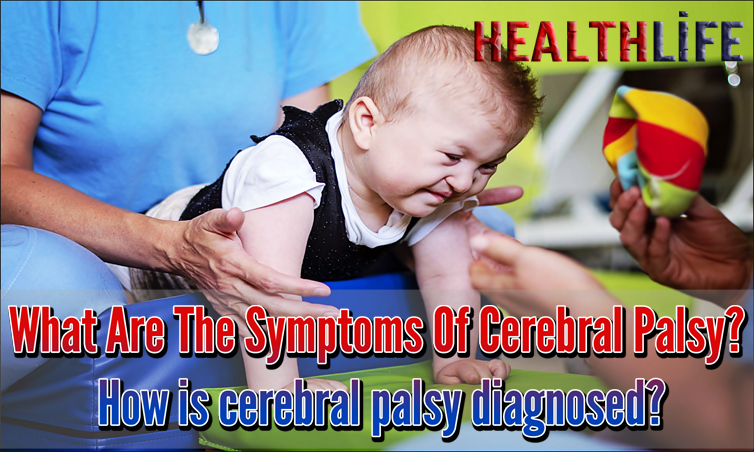
Cerebral palsy is the name given to a group of physical disabilities that affect the movements, tone or posture of the muscles in the human body. It is mostly caused by damage that occurs during the development of the immature brain before birth. In the content of our article, you can find detailed answers to the questions How is cerebral palsy diagnosed? and How is cerebral palsy treated? for our valuable friends. So What are the symptoms of cerebral palsy?
Cerebral palsy signs and symptoms occur in infancy or preschool years. It generally causes movement disorders and abnormal reflexes related to these, looseness or stiffness of the limbs and body, standing in abnormal positions, involuntary movements, unsteady walking or a combination of these. People with cerebral palsy may experience swallowing problems and may have difficulty focusing their eyes on the same object, usually due to an imbalance in the eye muscles. Due to the stiffness of the muscle contraction, the range of motion in various joints of the person’s body may be reduced.
The effect on daily activities varies greatly from person to person. In some cases, it is possible for the person to walk normally, while in other cases, assistance may be required. While some people have normal or near-normal mental development, others may develop mental disabilities. Other conditions that occur simultaneously may include epilepsy, blindness or deafness. You can access more detailed information about the symptoms of cerebral palsy by continuing our article.
How is Cerebral Palsy Diagnosed?
Symptoms of Cerebral Palsy
– Slow, writhing movements,
– Tremors or involuntary movements,
– Stiff muscles and exaggerated reflexes,
– Learning difficulties,
– Constantly stiff muscles with normal reflexes,
– Delays in speech development or difficulty speaking,
– Delays in acquiring motor skills such as pushing up the arms, sitting up or crawling,
– Changes in muscle tone, such as being too stiff or too soft,
– Seizures and tremors,
– Preferring one side of the body during movement,
– Pain during sucking or eating difficulties,
– Difficulty with fine motor skills such as buttoning or picking up objects,
– Lack of balance and muscle coordination,
– Excessive drooling or swallowing problems,
– Walking difficulties such as walking on toes, squatting, walking with crossed knees, walking with wide steps, or walking asymmetrically.
What are the Causes of Cerebral Palsy?
– Lack of oxygen to the brain due to a difficult birth and sudden asphyxia,
– Brain hemorrhage in the womb or as a newborn,
– Fetal stroke, that is, impaired blood flow to the developing brain,
– Head trauma from an accident or fall,
– Infant infections that cause inflammation in or around the brain,
– Inherited gene mutations that lead to abnormal development,
– Infections seen in the mother affecting the developing fetus.
Cerebral palsy can affect the person’s entire body or can have a focused effect on one side of the body or a single limb. The brain disorder that causes cerebral palsy does not change over time. For this reason, symptoms generally do not become more severe with advancing age. In some cases, as the child grows, some symptoms may become more pronounced or less severe. If muscle shortening and muscle stiffness are not actively treated, they may become more severe.
In this disease, rapid diagnosis is important for the child’s developmental delays or movement disorders. If the child’s awareness of the environment, anxiety, an abnormality in body movements, abnormal muscle tone, lack of coordination, difficulty swallowing or inconsistency in eye muscles are observed or if there are concerns about these, a pediatrician should definitely be consulted. Brain abnormalities associated with cerebral palsy can contribute to various neurological problems. The main ones are;
– Mental health problems,
– Urinary incontinence,
– Seizures and tremors,
– Difficulty in seeing and hearing,
– Various types of mental disabilities,
– Abnormal perceptions of touch or pain,
– Oral diseases.
How to Prevent Cerebral Palsy?
It is essential to avoid alcohol, tobacco and illegal drugs before, during and after pregnancy. All of these factors are directly related to the risk of cerebral palsy. It is necessary not to neglect safety precautions. In addition to measures such as special child seats for vehicles, bicycle helmets, safety rails around the bed, it is possible to prevent head injuries by providing appropriate supervision for the child. It is important to start prenatal care early and continue it continuously. Regular visits to the doctor during pregnancy are one of the best ways to reduce health risks for both parents and babies. Regular visits to the doctor can help prevent complications such as premature birth, low birth weight, and infection. A person should take good care of themselves. The healthier you are during pregnancy, the less likely you are to develop an infection that can lead to cerebral palsy. It is important to get vaccinated. Getting vaccinated against diseases such as rubella, preferably before you get pregnant, can prevent an infection that can cause fetal brain damage.
Cerebral palsy signs and symptoms can start out mild and become more obvious over time. For this reason, it is possible for a diagnosis not to be made until a few months after birth. However, if the doctor suspects that the child has cerebral palsy, he or she will evaluate the signs and symptoms, monitor growth and development, review your child’s medical history, and perform a physical examination. At this stage, the doctor may refer the person or child to a specialist trained to treat children with brain and nervous system disorders, such as a pediatric neurologist, pediatric physical medicine and rehabilitation specialist, or child development specialist. A series of tests may be necessary to make a diagnosis and rule out other possible causes.
Brain scans come first among these tests. Brain imaging technologies can reveal areas of damage or abnormal development in the brain. MRI uses radio waves and magnetic fields to produce detailed 3D or cross-sectional images of the child’s brain. In this way, MRI is most likely to identify possible lesions or abnormalities in the child’s brain. This test is painless but noisy. It can take up to an hour to complete. The child may be given a sedative or a light general anesthetic before the scan. Cranial ultrasound can be performed in infancy. High-frequency sound waves are used to produce images of the brain. Ultrasound does not produce as detailed an image as MRI. However, it can be used because it is quick and inexpensive. In this way, it can provide a preliminary assessment.
How is Cerebral Palsy Treated?
If there is a suspicion that a child is having a seizure, an EEG can further evaluate the situation. A child with epilepsy can also develop seizures. In an EEG test, a series of electrodes are attached to the child’s scalp and the electrical activity in the brain is recorded. Changes in normal brain wave patterns are common in epilepsy. In addition to brain scans, it is possible to detect genetic or metabolic problems with blood or urine samples used in laboratory tests.
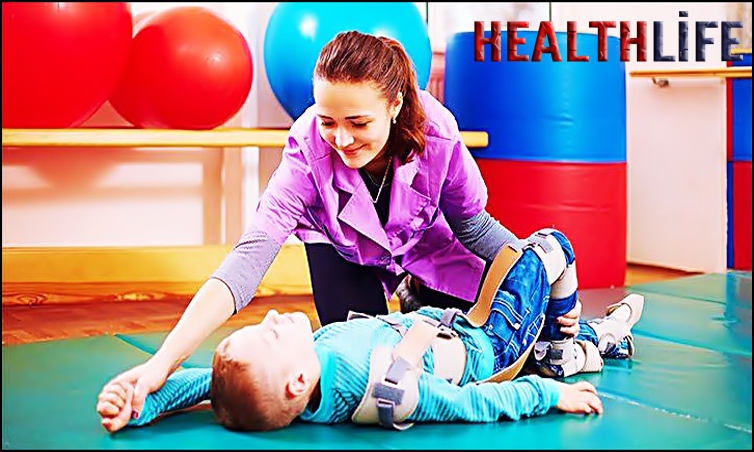
Children and adults with cerebral palsy need long-term care with a medical care team. Depending on the severity of the condition, the team that will provide the child’s medical care may include a pediatrician or psychiatrist, and possibly a pediatric neurologist, as well as various physical and mental therapists. The main goal in the treatment process is to minimize the person’s symptoms and keep their quality of life at the highest level. Drugs that can reduce muscle tension can be used to improve functional abilities, treat pain, and manage complications associated with spasticity or other symptoms of cerebral palsy. Various agents can be administered by physicians as muscle or nerve injections to treat a specific muscle that is constantly contracting. Side effects of these injected agents can include pain at the injection site and mild flu-like symptoms.
Can Cerebral Palsy Be Cured?
In cases where more serious side effects are seen, breathing and swallowing difficulties can be observed. Oral muscle relaxants are often preferred to relax the muscles. However, some of the drugs used for this purpose are not recommended for long-term use because they carry a risk of addiction. The side effects of these drugs include drowsiness, blood pressure changes and the risk of liver damage. In some cases, it is possible to pump medication into the spinal cord with a tube. This pump is surgically implanted under the skin of the abdomen. It is possible to administer medication to control the child’s drooling.
What are the Symptoms of Cerebral Palsy, in cases where cerebral palsy is diagnosed, the person may be referred to specialists for further tests to determine the presence of other conditions related to the disorder. These tests can determine problems in hearing, vision, speech, mental development and movement. If you have questions about our article on what are the symptoms of cerebral palsy, you can ask us in the comments section or on our social networks. You can share our page on what are the symptoms of cerebral palsy with your friends so that they can also be informed, and you can inform your friends about our article on what are the symptoms of cerebral palsy.
For your questions and complaints, you can write to us in the comments section. We are trying to help you with all your problems.
Our other recommendation link that may attract your attention; What Are The Benefits Of Bearberry Leaves?