What Are The Symptoms Of Frostbite? How to Treat Frostbite? We have compiled some information about the causes of frostbite in our article.
What Are The Symptoms Of Frostbite? How to Treat Frostbite?
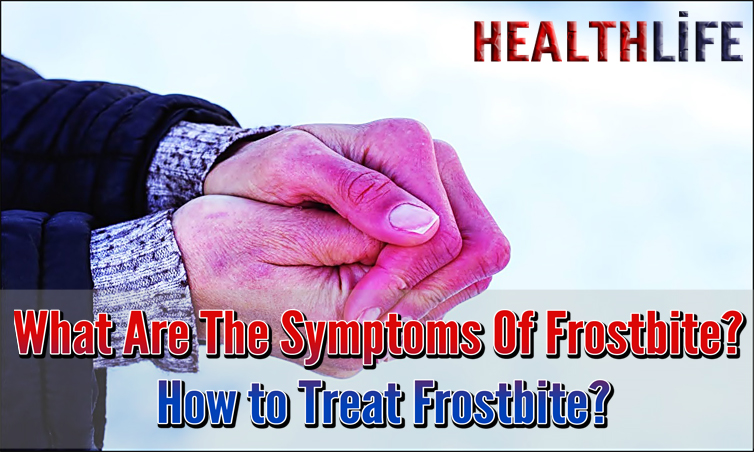
Skin damage that occurs to the skin and other tissues as a result of the body being in cold temperatures of -2 to -10 degrees Celsius is called frostbite. In the content of our article, you, our dear friends, can access and learn detailed answers to the questions causes of frostbite and how to cure frostbite. So What are the symptoms of frostbite?
The chin, nose, ears, hands and feet are most affected by frostbite. When exposed to long-term cold, frozen limbs may not be recyclable. This condition, also known as frostbite, can affect any part of the body and is accompanied by symptoms of tingling, numbness and coldness. The cause of frostbite basically begins with the body trying to protect itself against extreme cold.
When the body encounters cold, the veins try to preserve heat by constricting. As a result of narrowed vessels, blood flow to extremities such as legs and arms slows down. As less blood reaches the extremities, these areas become colder and more frozen. If the blood flow to the frozen area does not improve after a while, it dies as tissue loss. If risk groups for frostbite, mountain climbers or skiers, are exposed to long-term cold at high altitudes, the possibility of developing frostbite increases. Professions such as sailors, soldiers and rescue workers may have to work in difficult conditions and outdoors. This situation also falls into the risk group. Very young people or very old people are in the risk group because their body temperature can change easily and cannot be regulated well. The veins of individuals who smoke constantly narrow over time, and when they go out into the cold, frostbite may occur before the body’s protective mechanism can even work. Medicines that constrict blood vessels can make a person vulnerable to cold. The vessels of individuals with diabetes and Raynaud’s syndrome may be damaged more quickly. You can find more information about the symptoms of frostbite by continuing our article.
What Are The Causes Of Frostbite?
Frostbite Symptoms
Symptoms of frostbite are manifested by numbness, tingling, pain and numbness in the skin tissue, as well as pale and cold skin. This condition usually occurs on the tip of the hands and feet. If left untreated for a long time and exposed to cold, there is a risk of losing a limb. Symptoms of frostbite can generally be examined in 3 stages. These; They are called early, middle and advanced stages.
What Are The Symptoms Of Frostbite
In the early stage, there is tingling, numbness and coldness in the part that begins to be affected by cold burn, and its color becomes white. It is also called early stage freezing. In the middle stage, in addition to other symptoms, there is hardening and a frozen feeling in the labeled area. At this stage, when you recover from the cold, the affected area turns red and blisters. It may also be an itching and painful process. The advanced stage occurs when exposure to cold continues and is seen as an increasingly severe condition. The skin color appears blue, white or spotted. When you touch the tissue, it may feel hard and cold.

Depending on exposure to cold, damage occurs to nerves, muscles and bones under the skin. If such a situation is encountered, immediate intervention is required. If you move to a hot area after the last stage, blood-filled blisters form in the frostbite areas and black crusts form over time. These black areas are called necrosis, or tissue death. Apart from the symptoms seen on the skin, the individual may experience intense chills, fever, and speech impairment. Edema may begin to appear within 3 to 5 hours during warming up. Blisters may also appear within 4 to 24 hours. The effects of freezing may continue in the long term. Effects such as sensitivity to cold, numbness and permanent pain in the affected areas can be observed.
How To Treat Frostbite
Treatment of frostbite varies depending on the severity of symptoms. However, it is very important to apply to the hospital urgently in any situation. An attempt is made to ensure blood flow to the affected area and to stop further progression of the damage. A hot sponge can be placed on frozen areas. Since the pain in the nerves may increase as the skin gets warmer, painkillers may be given. An MRI image may be taken to see how much damage there is to the skin. If there are areas that turn into necrosis, those areas can be scraped. If the area is not scraped, the risk of infection spreading throughout the body is quite high.
What Are The symptoms Of Frostbite
There are some ways to prevent frostbite. These; Clothes should not be tight on the body and should remain a little loose. Tight clothing increases the risk of frostbite. Dressing in 3 layers is enough. You should have a hat and this hat should cover the ears and head area well. To protect your hands, you should use gloves. Feet are also affected greatly in cold weather. You can protect yourself from ice burn by wearing a pair of thick wool socks and warm, waterproof boots. In cold weather, there may be moisture due to so many clothes and this may cause sweating. If sweating occurs, you can open the zipper for 2 minutes. If sweating is not prevented, you will be faced with wet clothes and this situation favors freezing. Be careful not to become dehydrated, maintain the body’s water balance.
What Are The Symptoms Of Frostbite, if you have questions about our article, what are the symptoms of frostbite, you can ask us in the comments section or on our social networks. You can inform your friends about our article about what are the symptoms of frostbite by sharing our page with them so that they can also be informed.
For your questions and complaints, you can write to us in the comments section. We are trying to help you with all your problems.
Our other recommendation link that may attract your attention; What Are The Symptoms Of Gallbladder Cancer?