What Are The Symptoms Of Latex Allergy? What are the Causes of Latex Allergy?, How is latex allergy treated? Some information you are curious about.
What Are The Symptoms Of Latex Allergy? What are the Causes of Latex Allergy?

The milky sap produced by some plants, including the tropical rubber tree, is called latex. Since it is a natural substance, it is preferred in many areas. In the content of our article, you, our dear friends, can find and learn detailed answers to the questions How is latex allergy treated? and What are the causes of latex allergy?. So What are the symptoms of latex allergy?
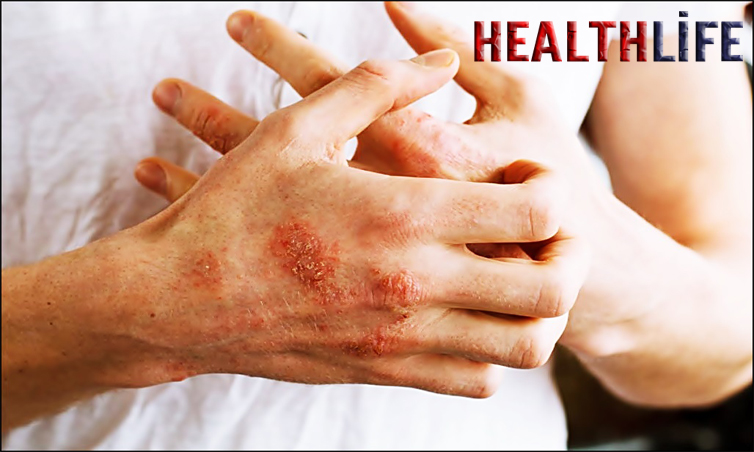
Latex allergy occurs when an allergic reaction develops against some proteins in the latex material produced from the rubber tree. If you are allergic to latex, various reactions occur in your body when you come into contact with this product. In particular, rashes appear on the skin. Allergies can develop to many products containing latex. Latex, usually found in cleaning products, can cause hives and itching when it comes into contact with the skin. If you experience itching and rashes on your hands, especially after using gloves containing latex, this indicates that you have a latex allergy.
If you are allergic to latex, it would be beneficial to see a doctor. Latex allergy can be diagnosed with the tests to be performed. Latex allergy is divided into types according to their manifestations. The most common types of latex allergy are latex hypersensitivity, allergic contact dermatitis, and irritant contact dermatitis. Many people have a condition called allergic contact dermatitis. When these people come into contact with allergic substances, various symptoms occur on their skin. Allergic contact dermatitis may develop due to latex. These types of allergies are delayed skin reactions. You can find more detailed information about latex allergy symptoms by continuing our article.
How To Treat Latex Allergy
– Bleeding on the skin,
– Cracking on the skin,
– Hives,
– Increased temperature in the spill area,
– Itching in hands.
If you are allergic to latex, your symptoms may develop after touching products containing latex, such as gloves or balloons. Symptoms may also occur from particles released into the air after removing latex gloves. Symptoms of latex allergy can be mild or severe. The allergic reaction that will develop depends on how sensitive you are to latex and how much latex you are exposed to. Allergic reactions to latex often occur at the point of contact in the form of a rash known as contact dermatitis. In latex allergy, the immune system sees latex as a harmful substance. When it encounters latex, it produces some antibodies to fight it. Due to the antibodies produced, it causes histamine and some chemicals to be released into the bloodstream. Allergy symptoms occur due to histamine and chemicals. The longer you are exposed to latex, the stronger your body reacts. The severity of the symptoms will increase at the same rate.
Whom Does Latex Allergy Affect Most?
– Condom users,
– Those working in automobile tire production,
– Those working in the rubber industry,
– Those who produce or distribute latex products,
– Those suffering from asthma,
– Those with eczema,
– Patients who have undergone spine surgery,
– Individuals who need a rubber-tipped urinary catheter intermittently or continuously,
– People with defects in bone marrow cells,
– Those who underwent multiple surgical procedures during childhood,
– Healthcare workers.
Can Latex Allergy Be Treated?
There is no treatment available to desensitize someone who is allergic to latex. If you have a latex allergy and come into contact with latex, you may develop an allergy. There are many different medications that can be used to keep developing allergies under control. Some of these are; Adrenaline, steroids, antihistamines.
The most effective way to treat latex allergy is to avoid all products that contain latex. The key is to learn how to stay away from latex. You can be protected from developing allergies with the help of some polymers used instead of latex. Some materials used instead of latex: Neoprene, elastane, vinyl, butyl, nitrile. Such synthetic products are used instead of latex and are used in the production of many materials. Sometimes sick people are very sensitive and may develop allergies to the substances used instead of latex. Even though you do your best to avoid latex, you may still come into contact with it. If you develop serious allergies, it may be useful to carry epinephrine with you. If you develop less severe symptoms, your doctor will prescribe medications to keep your reaction under control.
What Are The Symptoms Of Latex Allergy, if you have questions about our article, what are the symptoms of latex allergy, you can ask us in the comments section or on our social networks. What are the symptoms of latex allergy? You can share our page with your friends so that they can also inform them about our article about what are the symptoms of latex allergy.
For your questions and complaints, you can write to us in the comments section. We are trying to help you with all your problems.
Our other recommendation link that may attract your attention; How To Treat Joint Bleeding?