What Are The Symptoms Of Multiple Pregnancy? Who is affected by multiple pregnancy?, Multiple pregnancy risks, we have compiled some information you need to know in our article.
What Are The Symptoms Of Multiple Pregnancy? Who is affected by multiple pregnancy?
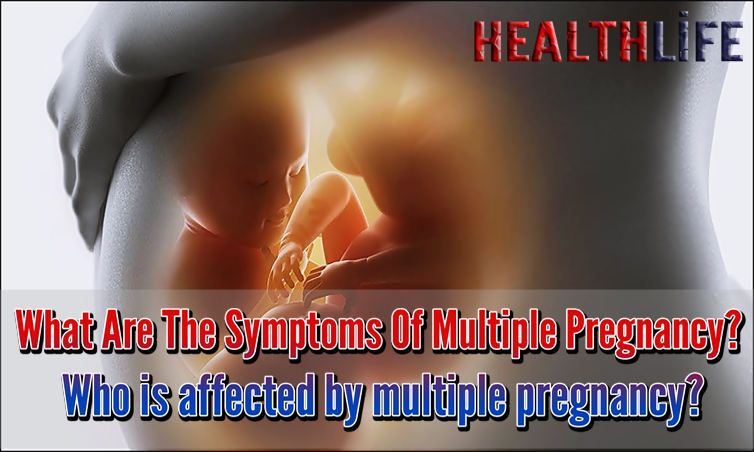
Multiple pregnancy is the simultaneous fertilization of more than one egg or the formation of separate embryos by cells that divide into two or more from a single egg. In the content of our article, you, our valued friends, can find detailed answers to your questions about multiple pregnancy risks and who is multiple pregnancy seen in? So What are the symptoms of multiple pregnancy?
The most common multiple pregnancy is twin pregnancy. Multiple pregnancies occur in 3 out of every 1000 pregnancies. However, this rate has recently increased with the application of treatment methods such as in vitro fertilization to assist reproduction. Another factor in the increase in multiple pregnancy is the advancement of gestational age. Women over the age of 35 or those with a family history of multiple pregnancies are highly likely to have multiple pregnancies. Fraternal twins occur when two separate eggs are fertilized by two separate sperm. Dizygotic twins, which are not genetically identical, also differ from each other in appearance. While 30% of fraternal twins are of different genders, 70% can be of the same gender. According to research, the physical characteristics of fraternal twins can be as different as those of children born to the same mother and father at different times. Fraternal twins make up approximately 75% of multiple pregnancies. Identical twins, which are formed by the division of a single fertilized egg into two, are called monozygotic twins.
Since fraternal twins carry the genetic information of the same sperm and egg, their physical characteristics are also the same. For this reason, it is quite difficult to distinguish most fraternal twins from each other. In fraternal twins, which occur in 1 out of every 250 pregnancies, the time after fertilization the egg divides into two is also a factor that makes a difference. If division occurs within the first 72 hours after fertilization, two amniotic membranes and two placentas are formed. If division occurs between 4 and 8 days, two amniotic membranes and one placenta are formed. In the division that occurs on the 8th day, there is an amniotic membrane and a placenta. This situation constitutes 1% of monozygotic twins. However, in divisions that occur after the 8th day, Siamese twins, or conjoined twins, occur. You can reach more detailed information about the symptoms of multiple pregnancy by continuing our article.
Who Gets Multiple Pregnancy?
Symptoms of Multiple Pregnancy
– Weakness and fatigue are more intense than in singleton pregnancies.
– Iron deficiency can be seen in pregnant women who have multiple pregnancies.
– The uterus is larger than in singleton pregnancies.
– Due to the pressure applied to the bladder, there is a greater need to urinate in multiple pregnancies.
– Vomiting and nausea are more common in multiple pregnancies.
– The expectant mother may gain more weight than in singleton pregnancies. However, excessive weight gain can also be seen for other reasons.
– The abdomen is larger in multiple pregnancies than in singleton pregnancies.
– B-HCG levels may be higher in multiple pregnancies. However, a high value does not necessarily mean that there is a multiple pregnancy.
What are the Risks of Multiple Pregnancies?
There is a higher risk of premature birth in multiple pregnancies compared to singleton pregnancies. While birth occurs between 37 and 42 weeks in a normal pregnancy, it occurs before the 37th week in 60% of twin pregnancies and 90% of triplet pregnancies. Premature birth also causes babies not to be born at a healthy weight. This situation can also bring about some health problems. Babies born prematurely can have great difficulty breathing on their own and being resistant to infections. Preeclampsia is known as pregnancy poisoning. It causes high blood pressure and can also affect the kidneys and liver. Preeclampsia, which can be diagnosed by detecting protein in the mother’s urine, is a condition that endangers the health of the baby as well as the mother. In pregnancy poisoning, where the risk increases with the number of babies, expectant mothers with identical twins are at greater risk than expectant mothers with fraternal twins.
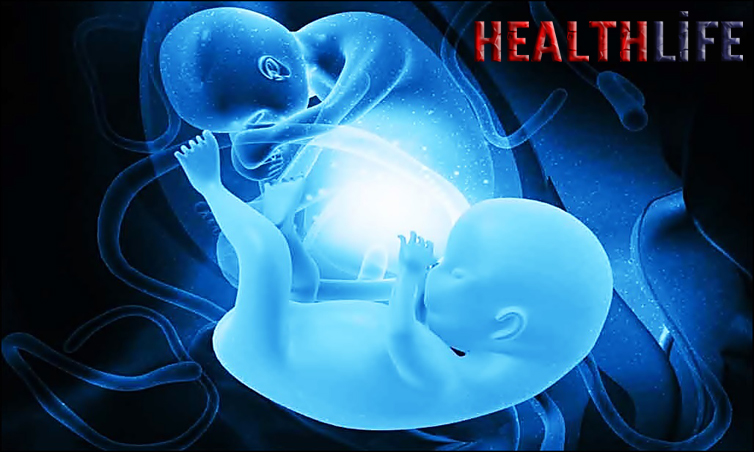
In the initial ultrasound scans, although twins are seen, one of the babies may not be seen after a while. This condition is called vanishing twin syndrome. After one of the babies stops developing and is lost in the first 3 months, the surviving baby is usually born healthy. The most common symptom of this syndrome is bleeding from the uterus when the syndrome occurs. Transfusion syndrome, which is usually seen in identical twins, is the presence of vascular transmission between the babies. In this case, more blood flows to one baby, while less blood flows to the other baby. As a result, the baby with less blood flow experiences developmental delays and anemia.
What to Consider in Multiple Pregnancy?
Regular medical check-ups are very important during every pregnancy. However, mothers who have multiple pregnancies should pay more attention to medical check-ups. Check-ups are very important in terms of preventing many pregnancy risks. At the same time, supplements that are deemed necessary by the tests performed should be used and, if any, precautions should be taken against anemia and other health problems. Compared to singleton pregnancies, expectant mothers should take leave earlier in multiple pregnancies if they are working. The risk of premature birth can be minimized by the mother resting. Another factor that reduces the risk of premature birth is for the mother to consume plenty of water. Since the need for water will increase as the babies grow, consuming 2 to 2.5 liters of water per day positively affects the healthy functioning of the mother’s kidneys.
As in every pregnancy, it is very important to pay attention to sleep patterns in multiple pregnancies. Protein and calorie needs are higher in multiple pregnancies. It is also important for expectant mothers to pay attention to their nutrition in this sense and to seek advice from a doctor if necessary.
The risk of birth defects in babies born with multiple pregnancies is higher than in babies born with single pregnancies. Since blood cell production is faster in multiple pregnancies, the need for iron and folic acid increases. Anemia due to multiple pregnancies is 10% to 20% higher than in single pregnancies. Gestational diabetes, or gestational diabetes, is more common in multiple pregnancies. This form of diabetes can cause some discomforts such as respiratory distress in babies. Since the placenta surface and uterus are larger than in single pregnancies, the amount of bleeding is higher during and after birth.
What are the Symptoms of Multiple Pregnancy, the most definitive diagnosis of multiple pregnancy is ultrasound. The number of babies is clearly seen in the ultrasound scan to be performed under the supervision of a doctor after the 6th week. If you have questions about our article on what are the symptoms of multiple pregnancy, you can ask us in the comments section or on our social networks. You can share our page on what are the symptoms of multiple pregnancy with your friends so that they can be informed, and you can inform your friends about our article on what are the symptoms of multiple pregnancy.
For your questions and complaints, you can write to us in the comments section. We are trying to help you with all your problems.
Our other recommendation link that may attract your attention; What Causes Adult Stills Disease?