What Are The Symptoms Of Nail Cancer? How to Understand Nail Cancer?, Which doctor to see for nail cancer? We have compiled information about what you are curious about.
What Are The Symptoms Of Nail Cancer? How to Understand Nail Cancer?
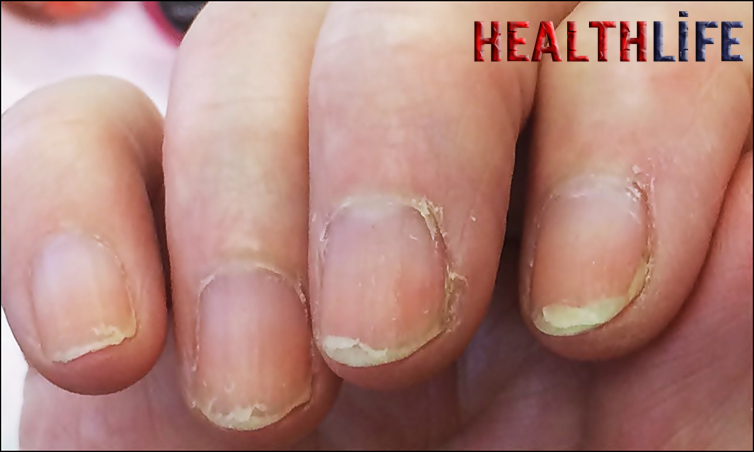
The formations that occur under and on the edges of the nail plate are called nail tumors. It is a type of tumor that originates from the nail matrix, where the main cells of the nail are located, and from the nail bed where the nail plate extends. Most nail tumors are benign. In the content of our article, we have prepared and compiled in detail the answers to the questions Which doctor should I go to for nail cancer? and How is nail cancer diagnosed? for our valued friends. So What are the symptoms of nail cancer?
Some nail tumors are more common in the hands and some in the feet. They occur especially in the feet and thumbs. Nail tumors that cause serious deformities in the nail must be surgically removed. Benign and malignant tumors can affect the nail and cause changes in the structure and color of the nail. Benign nail tumors are; Onychomatricoma, Pyagenic granulomas, Glamos tumors and Myxoid tumors. Malignant nail tumors are; Malignant melanoma, Squamous cell carcinoma and Browen’s disease. As with other skin cancers, the most important cause of nail cancer is sunlight. Nails, like the skin, need to be protected against the harmful effects of sunlight. Sunscreen creams should also be used for nails.
Individuals with sensitive skin should be especially careful. Other causes of nail cancer include chronic trauma, chemical exposure, radiation treatments, types of cancer that suppress the immune system such as lymphoma and leukemia, and drugs that affect the immune system such as chemotherapy, and infections. Apart from these causes, the possibility of cancer should be considered in all types of chronic wounds and bleeding. You can reach more detailed information about nail cancer symptoms by going to the rest of our article.
How to Understand Nail Cancer?
Nail Cancer Symptoms
Nail cancer is especially noticed with the deterioration of the nail structure. Nail cancer can show symptoms such as cracking, thickening and breaking in the nail structure, masses under the nail, and swelling. In malignant tumors, color changes in the nail, swelling under the nail and bleeding can be observed. Black or brown color changes in the nail plate, nail bed and around the nail, spreading to the surrounding area and non-healing wounds are also among the symptoms of malignant nail tumors. Nail tumors are often confused with nail fungus among the public. Nail fungus treatment can be applied to nail tumors that cannot be diagnosed correctly. Early treatment of a nail tumor that is evaluated as nail fungus and treated in this direction may also be delayed. While early and advanced benign or malignant nail tumors can be easily treated, nail cancer detected late can spread and even spread to internal organs. Delayed detection of nail tumors may lead to amputation of that finger or joint.
Nail cancer is diagnosed by examination, dermoscopic examination and, if necessary, by nail biopsy. A dermatologist can usually determine whether nail cancer is present after examination and dermoscopic examination with a dermoscope. In cases where cancer is suspected, a nail and subnail biopsy is performed to confirm the diagnosis and the tumor is surgically removed as soon as possible.
How is Nail Cancer Treated?
Nail cancer is often treated surgically. The area where the tumor is located is numbed with local anesthesia and appropriate surgical procedures are applied for the tumor. Nail cancer can be treated with curettage, electrocautery, or radiotherapy. Although the type of tumors may vary, surgical treatment of tumors is often the most successful treatment approach.
Malignant Nail Cancers
– Malignant melanoma,
– Bowen’s disease,
– Squamous cell carcinoma,
In malignant nail cancers, the treatment is to biopsy the tumors and surgically remove them as soon as possible. Depending on the stage of the cancer, subsequent treatment options are evaluated.
Benign Nail Cancers
– Onymatricoma tumors,
– Glomus tumors,
– Pyogenic granulomas,
– Myxoid cysts.
Myxoid cysts are translucent cysts that contain fluid. They can be treated by draining the fluid inside. However, there is a possibility of recurrence. Myxoid cysts can also be treated by complete surgical removal. Pyogenic granulomas are slightly raised, red, bleeding masses that occur due to excessive growth of capillaries. They cause swelling of surrounding tissues. These tumors, which tend to bleed easily, can be removed with curettage, electrocautery, or surgically. Pyogenic granulomas can sometimes be confused with the amelanotic form of malignant melanoma. Therefore, it is useful to perform a pathological examination of the removed tumor. Glomus tumors consist of cells located in vascular structures called glomus.
They can occur in any area where vessels pass. They can also occur in the glomus structures of the vessels in the toenails and fingernails. They can be painful depending on the location. Swelling and deformity in the nail may also be among the symptoms. They are mostly benign. However, since they are small in size, they can be difficult to diagnose. Treatment should be surgical removal. Onychomatricoma tumors are caused by excessive keratin production. It appears as a dark line under the nail and the nail plate thickens. Yellowing, swelling, longitudinal lines and splinter bleeding in the nail are also seen in onychomatricoma tumors. It is treated by surgically removing the tumor.
Are Nail Cancers Dangerous?
Malignant melanoma is a cancer that originates from melanocyte cells that produce the melanin pigment that gives color to the skin, hair and eyes. People with dark skin are more likely to be affected by this disease. The age group in which it is most common is between 40 and 70. If it occurs in the nail bed, it is called subungal melanoma, if it occurs under the nail plate, it is called ungual melanoma, and if it occurs in the nail plate and skin, it is called periungual melanoma. Malignant melanoma must be surgically removed. Bowen’s disease is also called intraepidermal squamous cell carcinoma. It is the early form of skin cancer. It is a disease that usually affects the upper layers of the skin. When detected early and the tumor is removed, its treatment progresses positively. Squamous cell carcinoma is malignant nail cancer. One of the most important causes is excessive exposure to ultraviolet rays. It is twice as common in men as in women. In addition to nails, it also occurs in the hands, face, arms and legs.
What are the Symptoms of Nail Cancer, having the changes in the nails checked by a specialist doctor, regular doctor check-ups are among the best precautions to be taken against nail cancer. If you have questions about our article on what are the symptoms of nail cancer, you can ask us in the comments section or on our social networks. You can share our page on what are the symptoms of nail cancer with your friends so that they can be informed, and you can inform your friends about our article on what are the symptoms of nail cancer.
For your questions and complaints, you can write to us in the comments section. We are trying to help you with all your problems.
Our other recommendation link that may attract your attention; What Are The Symptoms Of Sinus Cancer?