What Are The Symptoms Of Rickets? What are the causes of rickets?, How can rickets be prevented? We have compiled some information you need to know in our article.
What Are The Symptoms Of Rickets? What are the causes of rickets?
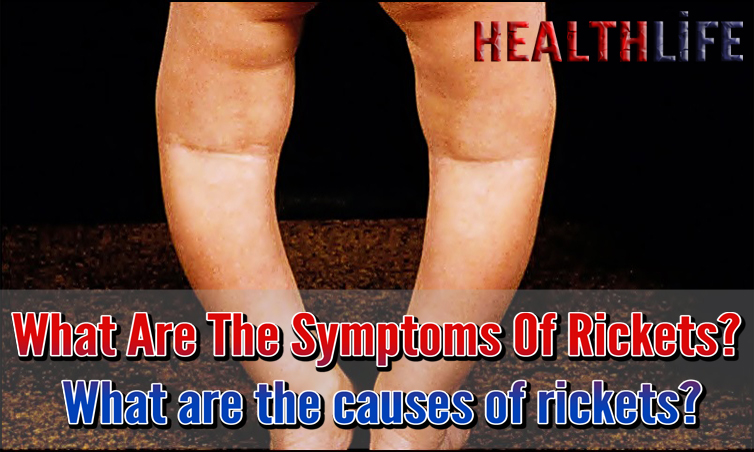
Generally, the softening and weakening of bones in children due to excessive and long-term vitamin D deficiency is called rickets. In the content of our article, you, our valued friends, can find detailed answers to the questions How is rickets prevented? and What are the causes of rickets? So What are the symptoms of rickets?
Rare hereditary problems can also cause rickets. Vitamin D helps your child’s body absorb calcium and phosphorus from foods. Insufficient vitamin D makes it difficult to maintain appropriate calcium and phosphorus levels in the bones, which can cause rickets. Adding vitamin D or calcium supplements to your diet generally minimizes bone problems related to rickets. If this disease occurs due to another underlying medical problem, your child may need additional supplements or other treatment.
Some skeletal deformities caused by rickets may require corrective surgery. Rare hereditary disorders related to low levels of phosphorus, another mineral component in bone, may require other medications. Because rickets softens the areas of tissue that grow at the ends of a child’s bones, it can cause some skeletal deformities. You can find more detailed information about rickets symptoms by continuing on to our article.
What Causes Rickets?
Symptoms of Rickets
– Muscle weakness,
– Pain in the spine, pelvis and legs,
– Delayed motor skills,
– Growth delay.
Causes of Rickets Skeletal Deformities
– Sternum projection,
– Thickened wrists and ankles,
– Bowed legs or knees.
What Causes Rickets?
Your child’s body needs vitamin D to absorb phosphorus and calcium from food. If your child’s body does not get enough vitamin D or has trouble using vitamin D in their body, rickets can occur. In some cases, not getting enough calcium or a deficiency of calcium and vitamin D can cause rickets. Some children are born with or develop medical conditions that affect their body’s absorption of vitamin D. Some of these include kidney problems, cystic fibrosis, inflammatory bowel disease, and celiac disease.

When your child’s skin is exposed to sunlight, it produces vitamin D. However, children in developed countries spend less time outside the home. Advanced technology keeps them homebound. They are more likely to use sunscreen, which blocks the sun’s rays that trigger vitamin D production. Egg yolks, fish oil, and oily fish such as salmon and mackerel contain vitamin D. Milk, some fruits and juices, and some foods and drinks such as cereals also contain vitamin D.
Can Rickets Be Treated?
To prevent rickets, exposure to sunlight provides a good source of vitamin D. In most seasons, 10 to 15 minutes of midday sun exposure is considered sufficient. However, if you have dark skin, it is winter, or you live in northern latitudes, you may not get enough vitamin D from sun exposure. For this, make sure your child consumes foods that contain vitamin D naturally found in oily fish such as salmon and tuna, fish oil and egg yolk, or foods fortified with vitamin D.
What are the Symptoms of Rickets, check the labels of fortified foods to indicate their vitamin D content. If you are pregnant, you can also ask your doctor to prescribe vitamin D supplements. Vitamin D is very important for bone health. If you have questions about our article on what are the symptoms of rickets, you can ask us in the comments section or on our social networks. You can share our page on what are the symptoms of rickets with your friends so that they can be informed, and you can inform your friends about our article on what are the symptoms of rickets.
For your questions and complaints, you can write to us in the comments section. We are trying to help you with all your problems.
Our other recommendation link that may attract your attention; What Causes Inflammatory Bowel Disease?