What Are The Symptoms Of Sixth Disease? How is the Sixth Disease Treated?, What is the sixth disease? We have compiled some information about you that you are curious about.
What Are The Symptoms Of Sixth Disease? How is the Sixth Disease Treated?
The viruses that cause the sixth disease are HHV6 and HHV7 viruses, which are from the same family as the herpes microbe. This disease is most commonly caused by HHV6. However, HHV7 comes to mind more in those who have the disease for the second time. HHV6 and HHV7 generally affect infants and play-age children between the ages of 6 and 36 months, creating the sixth disease. It is very rarely seen in adults and older children. In the content of our article, you, our dear friends, can access and learn detailed answers to the questions what is the sixth disease? and how is the sixth disease treated?. So What are the symptoms of sixth disease?
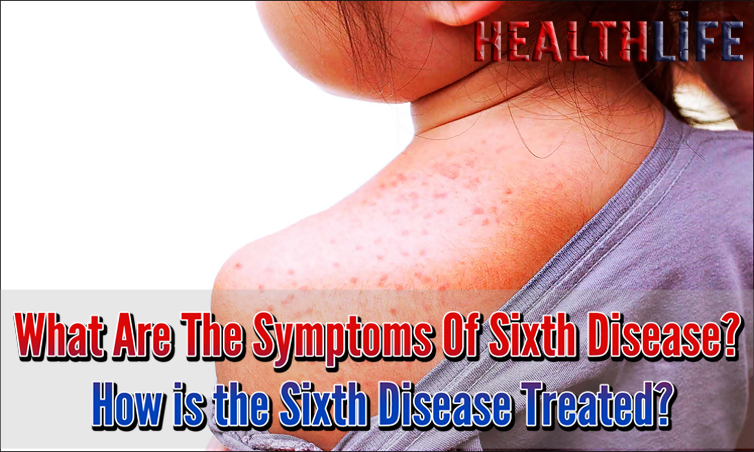
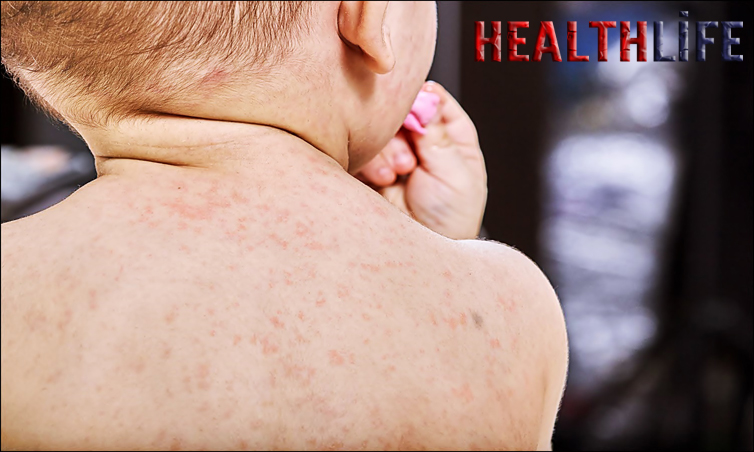
Sixth disease, also known as roseola infantum or exanthema subitum, is a childhood disease with a sudden onset, a generally good course, a high fever for 3 to 5 days, and a rash that heals spontaneously. Symptoms of sixth disease often begin with a high fever that lasts 3 to 5 days. During the course of the disease, the fever may even reach 40 degrees and febrile seizures may occur due to high fever. On the 3rd to 4th days of fever, palpable, pink-colored spot rashes occur, starting from the chest and then rapidly progressing to the nape, face, arms and legs. These rashes are generally distinguished from allergic diseases by being non-itchy. The rashes that occur will heal on their own within 3 days after the fever subsides.
It is mostly seen in winter and spring, but cases can be seen at any time of the year. The sixth disease is transmitted through upper respiratory tract secretions, saliva and nasal discharge, where the virus is concentrated. Generally, a doctor is consulted with a fever whose focus cannot be clearly determined. For this reason, it is difficult to make a differential diagnosis. Generally, the typical course of the disease is observed and the diagnosis is made when the fever decreases and rashes occur. In the early days of the disease, there are no specific clinical and laboratory findings that can be definitively diagnosed and differentiated from other febrile diseases. Since the detailed tests used for the definitive diagnosis of the disease take a certain amount of time, they are not practical for the instant emergency diagnosis of the disease. For this reason, some infection parameters such as blood count and CRP to be checked in emergency conditions help predict the disease. In necessary cases, PCR method in blood can help diagnosis. You can find more detailed information about the symptoms of sixth disease by continuing our article.
How To Treat The Sixth Disease?
Sixth Disease Symptoms
– More sleepy than usual,
– Pink, punctate rashes,
– Light watery stool,
– Cough,
– Runny nose,
– Restlessness,
– Weakness,
– High fever.
Sixth Disease Treatment
Sixth disease, which is a benign disease that generally does not require specific antiviral treatment, should be kept under fever control with antipyretic drugs due to the risk of febrile seizures. While taking warm showers helps control fever, it also increases the child’s comfort. As with all viral infections, supportive treatment is very important during the healing process of the disease. Consuming plenty of liquid food and fruits containing vitamin C and antioxidants help reduce the development of complications.
Sick children may have a poor appetite during this period and usually refuse solid food. During this period, protein-rich foods such as meat soups, stews, yoghurt, ayran and kefir with rich probiotic drinks should be preferred in the diet. Respiratory diseases have the capacity to spread rapidly, especially in crowded, closed and poorly ventilated environments. The sixth disease is also a respiratory tract infection, and avoiding contact with sick, feverish children is the most important factor in protection. Not sending children to school or nursery during fever periods reduces the spread of the disease to other children.
What are the symptoms of sixth disease, if you have questions about our article What are the symptoms of sixth disease?, you can ask us in the comments section or on our social networks. You can inform your friends about our article about what are the symptoms of sixth disease by sharing our page with them so that they can also be informed.
For your questions and complaints, you can write to us in the comments section. We are trying to help you with all your problems.
Our other recommendation link that may attract your attention; What Are The Symptoms Of Outer Ear Infection?