What Are The Symptoms Of Uveitis? What are the Risk Factors That Cause Uveitis? We have prepared some information you need to know about the causes of uveitis in our article.
What Are The Symptoms Of Uveitis? What are the Risk Factors That Cause Uveitis

Inflammation of the middle layer of the eye is called uveitis. Uveitis consists of the iris, choroid and ciliary body. In the content of our article, you, our valued friends, can find detailed answers to questions about the causes of uveitis and risk factors that lead to uveitis. So What are the symptoms of uveitis?
Uveitis is a serious disease that can lead to permanent vision loss. It is the third most common cause of vision loss in developed countries. Early diagnosis and treatment are very important to prevent complications related to uveitis. The cause of uveitis may not always be found. In approximately 50% to 60% of patients, the cause can be determined by careful investigation. Infections and autoimmune diseases may be associated with the development of uveitis. While uveitis can heal by responding positively to treatment in some cases, it can sometimes become chronic. It may even relapse even after recovery. Like many diseases, early diagnosis and correct treatment are very important for uveitis. Otherwise, the likelihood of the disease responding positively to treatment decreases.
The sudden increase in the symptoms of uveitis, that is, their exacerbation, is called a uveitis attack. Uveitis disease is divided into three types depending on the area of inflammation in the eye. If the inflammation is located near the iris or ciliary body, that is, in the front part of the eye, it is called anterior uveitis. Anterior uveitis is also called iridocyclitis. Treatment of anterior uveitis is easier and the likelihood of a positive response is higher. If the inflammation occurs only in the part close to the choroidal layer, it is called posterior uveitis. Treatment is more difficult. It can even cause permanent blindness if left untreated. Intermediate uveitis occurs when inflammation affects the ciliary body and the retina surroundings. If there is inflammation in every layer of the uvea in this disease, it is called panuveitis. You can find more detailed information about the symptoms of uveitis by continuing our article.
What Are The Risk Factors That Cause Uveitis?
Uveitis Symptoms
– Black dots floating in front of the eyes,
– Light sensitivity,
– Eye pain,
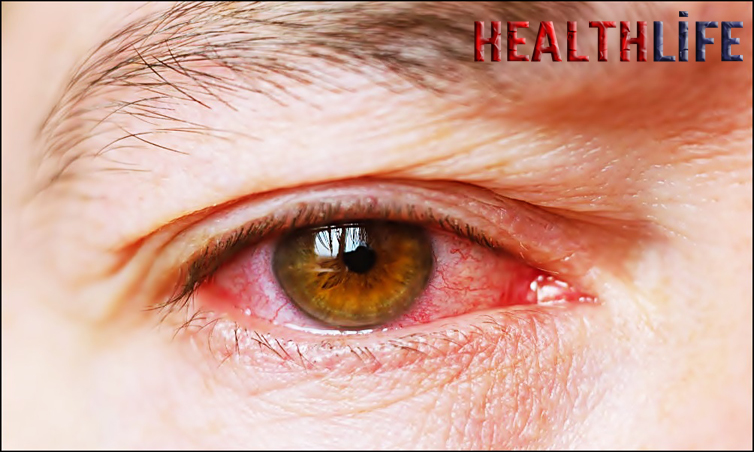
– Eye redness,
– Blurred vision.
Uveitis is classified depending on the area affected by the inflammation. These; Anterior uveitis affects the front part of the eye. Posterior uveitis affects the back part of the eye. Intermediate uveitis affects the ciliary body and the surrounding area of the retina. Panuveitis occurs when all layers of the uveitis are affected. Symptoms may develop gradually or occur suddenly and worsen rapidly. Inflammation may occur in only one eye, or it may affect both eyes at the same time or at different times.
Causes Of Uveitis
– Some cancers, such as lymphoma, can affect the eye directly or by metastasizing,
– Eye injury,
– Infections such as toxoplasma, herpes, tuberculosis, cat scratch disease and syphilis,
– Inflammatory diseases affecting the digestive system such as Crohn’s disease or ulcerative colitis,
– Autoimmune diseases such as Behçet’s disease, sarcoidosis, multiple sclerosis or ankylosing spondylitis.
Risk Factors Leading To Uveitis
– History of eye trauma,
– History of autoimmune or inflammatory disease,
– Infection,
– Genetic predisposition.
If uveitis is not treated, retinal complications such as eye loss, increased intraocular pressure, optic nerve damage, cataract, corneal clouding or band keratopathy, and fluid accumulation in the macula, hole, membrane formation, retinal tear, and retinal detachment may occur. In order to diagnose uveitis, a detailed eye and systemic disease history must be taken and a detailed eye examination. Special eye examinations such as fluorescein angiography and optical coherence tomography may be required. Depending on the characteristics of the uvet, the doctor may perform special examinations of the eye fluid, blood tests, imaging studies, or may request consultation from other specialties.
What Are The Symptoms Of Uveitis, if you have questions about our article, what are the symptoms of uveitis, you can ask us in the comments section or on our social networks. What are the symptoms of uveitis? You can inform your friends about our article about what are the symptoms of uveitis by sharing our page with them so that they can also be informed.
For your questions and complaints, you can write to us in the comments section. We are trying to help you with all your problems.
Our other recommendation link that may attract your attention; What Are The Causes Of Groin Pain?