What Are The Symptoms Of Varicose Veins? How to Understand Whether You Have Varicose Veins? Where does varicose vein pain strike? We have compiled some information that you are curious about in our article.
What Are The Symptoms Of Varicose Veins? How to Understand Whether You Have Varicose Veins?
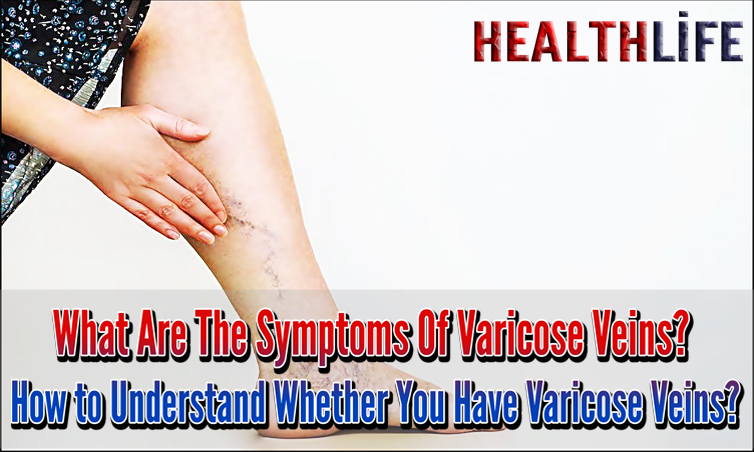
The widening and twisting of veins close to the skin surface is called varicose veins. It generally occurs in the legs and ankles. It is a very common problem encountered in one-third of adults. In the content of our article, you, our valued friends, can find detailed answers to the questions Where does varicose vein pain strike? and What are the causes of varicose veins? So What are the symptoms of varicose veins?
Varicose veins occur due to increased blood pressure in the veins. The situation that causes this increase in pressure is caused by insufficiency of the valves or valves in the veins. Normally, the one-way valves in the veins contribute to the movement of blood from the legs to the heart. If these valves are damaged or weakened, the blood leaks backwards and pools in the legs. The blood pooling in the leg veins ultimately causes the small veins and side branches to expand, i.e., varicose veins. Although varicose veins are a cosmetic problem for most individuals, they cause complaints that negatively affect the quality of life for some individuals. Varicose veins can develop in everyone. You can reach more detailed information about varicose vein symptoms by continuing our article.
How to Tell If You Have Varicose Veins?
Varicose Vein Symptoms
– Skin changes around varicose veins,
– Itching in and around varicose vein areas,
– Swelling in the leg,
– Cramps in the leg muscles,
– Burning in the feet,
– Bleeding due to thinning of the vein walls in varicose veins close to the skin,
– Pain and a feeling of heaviness in the legs, and fatigue are among the main symptoms of varicose veins.
There are several types of varicose veins. These are; Truncal varicose veins, reticular varicose veins, telangiectatic varicose veins. Truncal varicose veins; They are varicose veins that appear as swellings on the skin and are in the form of lumps. They are larger than other types of varicose veins. Reticular varicose veins; They are blue and purple under the skin, and they are larger varicose veins that feed telangiectatic varicose veins. They can cause complaints such as pain. Telangiectatic varicose veins; They are thin capillary varicose veins in the form of spider pain, blue and red. They can occur on the legs and rarely on the face. They are generally painless and harmless. They cause cosmetic problems.
Varicose veins; With advancing age, the vein valves and walls loosen. Female hormones cause the vein walls to loosen. Varicose veins develop more frequently, depending on the hormone level, especially in pregnant women and those using birth control pills. Varicose veins are genetically transmitted and are more likely to be seen in individuals with a family history of varicose veins. Individuals who stand for long periods of time or sit down to do their jobs may develop varicose veins more frequently due to blood circulation. Excess weight increases blood pressure in the veins and causes varicose veins to form.
Varicose veins generally do not cause serious complications. However, although rare; It can cause pulmonary embolism due to deep vein thrombosis. Varicose veins and the deep veins they are associated with can cause clots, vein inflammation and painful ulcers on the legs, especially in the area near the ankle.
How to Prevent Varicose Veins?
– Getting rid of excess weight,
– Regular exercise,
– Stretching your legs while sitting and not crossing your legs for a long time,
– Avoiding working standing or sitting for a long time,
– Avoiding wearing very tight and tight clothes is very effective in preventing varicose veins.
Can Varicose Veins Be Treated?
Varicose Vein Treatment Methods
– Vein surgery,
– Thermal ablation,
– Microphlebectomy,
– Sclerotherapy,
– Compression stockings,
– Leg elevation.
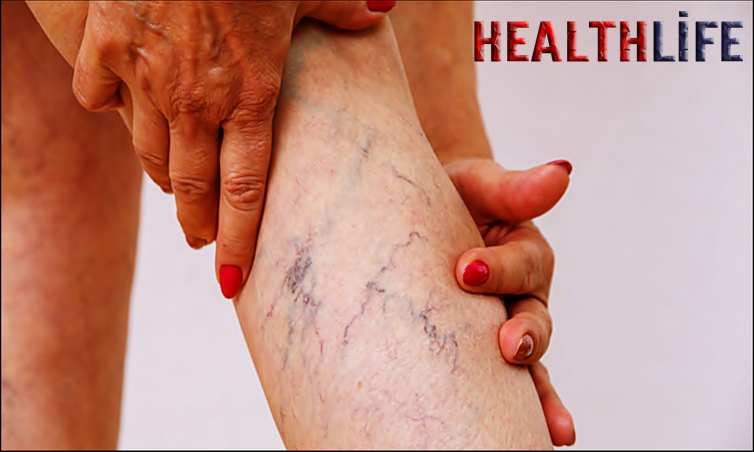
Leg elevation; The legs are held above the level of the heart for approximately 15 minutes 3 to 4 times a day. This treatment method can reduce complaints in mild and moderate varicose vein problems. Compression socks; It prevents the accumulation of blood pooling in the legs of patients with varicose veins. It is quite effective when worn every day. Sclerotherapy; It is a treatment method that eliminates varicose veins by injecting a chemical agent into the varicose veins.
Microphlebectomy; It is the process of removing varicose formations using small incisions with special surgical instruments. It can be done alone or together with EVLA or stripping surgeries. Thermal ablation; It is the treatment of varicose veins with laser or radiofrequency energy. After entering the varicose veins with a catheter, the wall of the varicose vein is destroyed with laser or radiofrequency energy. Vein surgery; It is the treatment method of varicose veins that is performed by surgically removing the varicose vein with a wire.
What are the Symptoms of Varicose Veins, to understand that there are varicose veins, the dirty blood that accumulates in the leg accumulates more and becomes visible on the skin surface. This increase in the amount of blood begins to cause a color change on the skin after a while. The dark color of the skin color first turns red, then dark brown. If you have questions about our article, what are the symptoms of varicose veins, you can ask us in the comments section or on our social networks. You can share our page, what are the symptoms of varicose veins, with your friends so that they can be informed, and you can inform your friends about our article about the symptoms of varicose veins.
For your questions and complaints, you can write to us in the comments section. We are trying to help you with all your problems.
Our other recommendation link that may attract your attention; What Are The Symptoms Of Acute Pancreatitis?