What Are The Symptoms Of Venous Insufficiency? How is Venous Insufficiency Treated?, What is Venous Insufficiency? Some information you are curious about.
What Are The Symptoms Of Venous Insufficiency? How is Venous Insufficiency Treated?
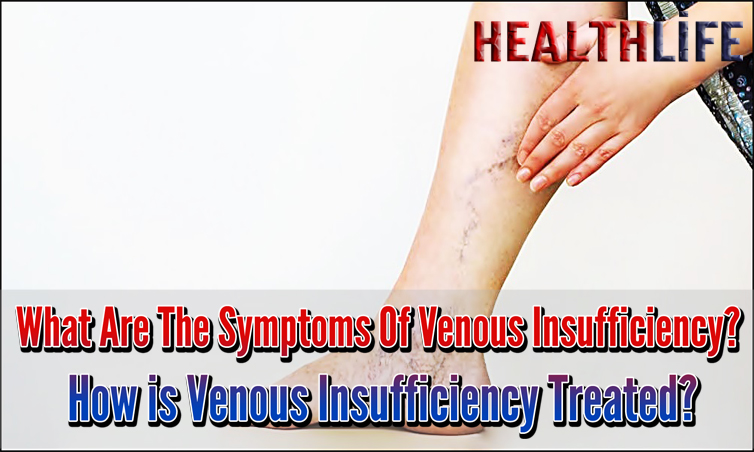
The valves in the veins act as a barrier that prevents the backflow of blood in normal body functioning. When these valves become damaged or blocked, the flow of blood back to the heart is impaired. This condition is called venous insufficiency. In the content of our article, you can find detailed answers to the questions “How is venous insufficiency treated?” and “Who gets venous insufficiency?” that we have prepared for you, our valued friends. So What are the symptoms of venous insufficiency?
The condition in which the veins become prominent is called varicose veins. The main function of the vein in the body is to carry the dirty blood in the body to the heart. From there, it is sent to the lungs for cleaning. Venous insufficiency also causes blood in the veins to flow in the opposite direction rather than towards the heart. Venous insufficiency generally occurs as a result of valve problems and blockages in the veins.
Since the valves in varicose veins cannot perform their functions, blood escapes through the damaged vein valves and cannot go towards the heart. There are generally some causes of venous insufficiency. According to research, venous insufficiency occurs more in women than in men. Women are more prone to venous insufficiency than men. Birth control pills or hormonal fluctuations that occur during pregnancy and many changes in women’s body balance cause a tendency to venous insufficiency. You can find detailed information about the symptoms of venous insufficiency by continuing our article.
What are the Causes of Venous Insufficiency?
– Thickening of the skin on the legs and ankles,
– Feeling of heaviness in the legs,
– Wounds and rashes on the legs,
– Wounds on the legs and the wound does not close for months,
– Pain when lifting the leg or keeping it upright,
– Cramping, tingling and numbness in the leg,
– Formation of new varicose veins in the legs,
– Legs forward,
– Noticeable tension in the calves,
– Tingling in the soles of the feet,
– Fullness in the legs and the accompanying feeling of restlessness,
– Itching in the legs.
Leg pain is the most common symptom of venous insufficiency. Throbbing pains in the legs are severe and negatively affect daily life. Skin color changes, especially around the ankles, are usually brown or red. Swelling occurs in the legs and ankles due to fluid accumulation in the leg lymphs. This is a sign that edema is starting to occur. Swelling in the leg veins creates visible effects. When the veins in the legs swell, it creates pressure on the skin and the vein colors create a bluish appearance that can be seen from the outside.
Causes of Venous Insufficiency
– Presence of blood clots in the veins,
– Cigarette consumption,
– Presence of genetic venous insufficiency,
– Muscle structure is weak,
– Congenital venous insufficiency,
– Very tall physical structure,
– Presence of varicose veins,
– Side effects of birth control pill use,
– Obesity and superficial thrombophlebitis,
– Especially individuals over the age of 50 constitute the risk group,
– Situations in which blood clots in the vein.
As a result of superficial or deep vein occlusions, deterioration occurs in the inner wall of the veins. In cases of sedentary life, long periods of inactivity or standing, there is an increase in blood pressure in the legs, which causes venous insufficiency.
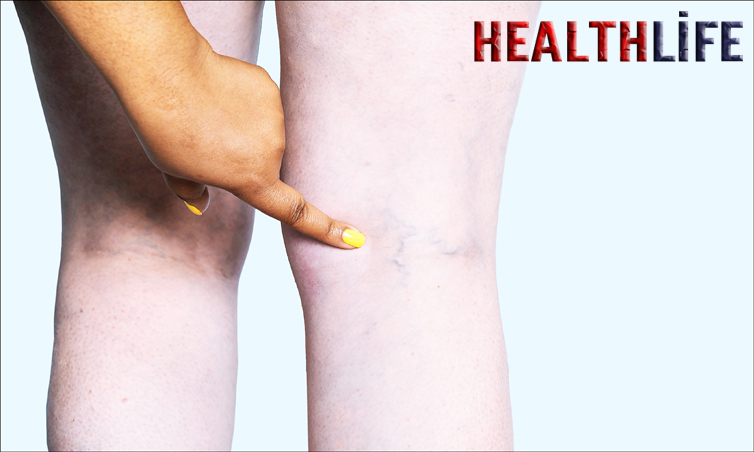
For venous insufficiency, you can consult a cardiovascular surgeon. The first step regarding venous insufficiency is a physical examination. In order to determine the source and nature of the problem, the most frequently used techniques are color Doppler ultrasonography. Some preferred methods for the diagnosis of venous insufficiency: MR venography, computed tomography, intravenous ultrasound, magnetic resonance imaging or color ultrasound may be requested to observe and diagnose damage within the vein.
Can Venous Insufficiency Be Treated?
In the treatment of venous insufficiency, the cause of the disease and the extent of damage to the veins are the two basic points of the treatment to be applied. Compression socks can be preferred as medical materials that help regulate blood flow by applying constant pressure decreasing upward from the ankle to the calves. With the use of compression socks, the effects of venous insufficiency are tried to be eliminated by regulating the blood flow disorder.
The aim is to keep the legs above heart level for half an hour, 3 or 4 times a day, and thus reduce the pressure in the veins in the legs. These are treatments administered by administering drugs such as aspirin, diuretic and pentoxifylline. Diuretic is needed to relieve swelling in the legs, pentoxifylline is needed to heal leg ulcers and increase vascular tone, and aspirin is needed as a blood thinner. It is applied by injecting salt water or chemicals into the vein with venous insufficiency. This substance prevents the vein from hardening and descending, making it invisible to the eye. It is a method that may be deemed necessary in the advanced stages of venous insufficiency. In patients with venous insufficiency, the venous functions are restored to normal by surgical methods, the vein is removed from the body, the direction of blood flow is directed to the healthy vein by applying bypass, venous ablation, angioplasty or stent.
What Are the Symptoms of Venous Insufficiency, if you have questions about our article, what are the symptoms of venous insufficiency, you can ask us in the comments section or on our social networks. You can inform your friends about our article about what are the symptoms of venous insufficiency by sharing our page with them so that they can also be informed.
For your questions and complaints, you can write to us in the comments section. We are trying to help you with all your problems.
Our other recommendation link that may attract your attention; How Does A Hernia Occur?