What Causes Pyloric Stenosis? How is Pyloric Stenosis Treated?, The causes of pyloric stenosis, we have prepared some information that you are curious about in our article.
What Causes Pyloric Stenosis? How is Pyloric Stenosis Treated?
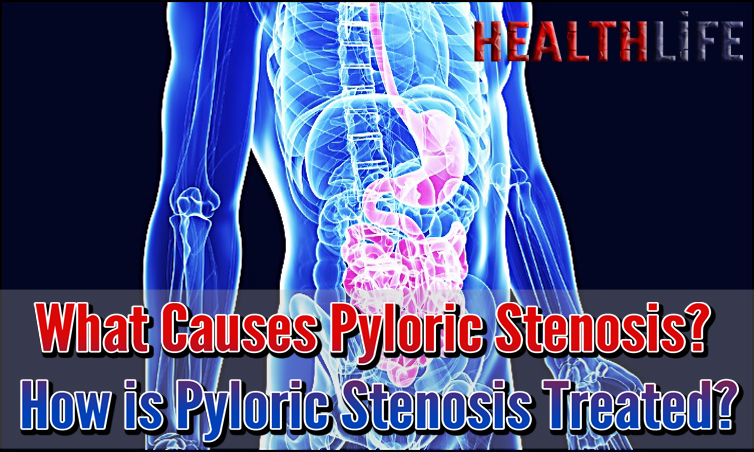
The stomach, one of the most important organs of the digestive system, is located between the pylorus, esophagus and small intestine and functions in the digestive phase. In the content of our article, you, our valued friends, can find detailed answers to the questions What are the causes of pyloric stenosis? and How is pyloric stenosis treated? So What causes pyloric stenosis?
The stomach structure is divided into 4 sections with different features and functions. These sections are; Pylorus, Carpus, Fundus and Kardia. Pylorus is the lowest part of the stomach and has the function of a sphincter. The pylorus determines the amount of food that will pass from the stomach to the duodenum. The pyloric sphincter is a thick muscle structure located at the end of the stomach and allows the food digested in the stomach to pass into the small intestine.
The muscles in the pylorus do not relax unless sufficient digestion occurs in the stomach. In this way, the breakdown of food is kept under control. The contraction function of the pylorus can be impaired for various reasons. As a result of this condition, 2 different pyloric diseases can occur. These diseases are; Pyloric laxity and Pyloric stenosis. Pyloric stenosis is a disorder in which the pyloric sphincter muscle enlarges and the stomach contents cannot pass into the small intestine. You can reach more information about the symptoms of pyloric stenosis by continuing our article.
How is Pyloric Stenosis Treated?
Pyloric Stenosis Symptoms
– Failure to gain weight,
– Thirst and dehydration,
– Stomach contractions,
– Need for feeding,
– Vomiting gradually becomes more severe,
– Vomiting after feeding,
– Restlessness and crying,
– Developmental delay,
– Growth delay,
– Decreased urine output,
– Decreased amount of defecation,
– Decreased number of defecations.
The symptoms of pyloric stenosis may vary. Some babies may experience other symptoms due to pyloric narrowing. Pyloric stenosis usually occurs in the 3rd week after birth. The first symptoms usually occur between the 3rd and 5th weeks. Pyloric stenosis is rare in babies older than 3 months. A breastfed baby may vomit the food content in the stomach half an hour after feeding. This vomiting is usually stronger and is called projectile vomiting. Vomiting caused by pyloric stenosis is initially mild. Vomiting can become more severe as the pyloric opening narrows. Vomiting sometimes contains blood.
Babies who vomit due to pyloric stenosis want to be fed again immediately after vomiting. Since nutrients do not pass into the small intestine, the baby’s nutrition is incomplete. Shortly after feeding your baby and just before vomiting, your baby may experience fluttering in the upper abdomen. This is reverse peristalsis. It occurs due to stomach contractions trying to force food through the narrowed pyloric region. Your baby may not be fed enough due to pyloric stenosis. Your baby may cry without tears, wet fewer diapers, or become lethargic. In babies who cannot feed adequately due to pyloric narrowing, weight gain stops. Some babies may experience weight loss.
What are the Complications of Pyloric Stenosis?
– Jaundice,
– Stomach irritation,
– Dehydration,
– Developmental delay,
– Growth delay.
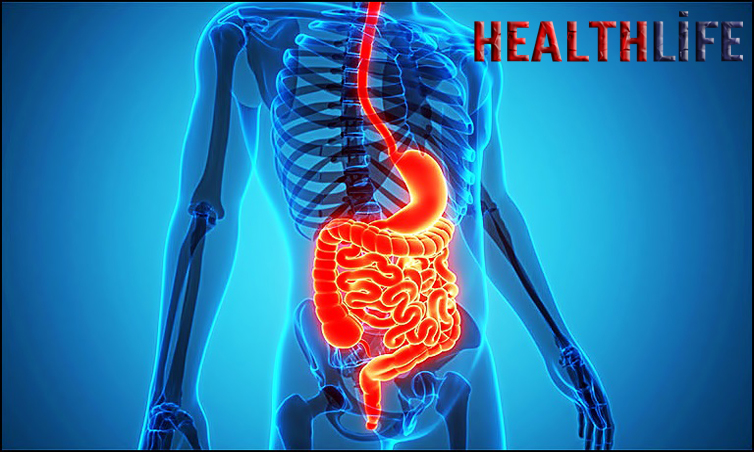
After pyloric stenosis is diagnosed, treatment plans are started in a short time. First, fluid support is started with the help of an intravenous line. The treatment of pyloric stenosis is surgical. The narrowing of the pylorus does not correct itself. In some patients, the level of narrowing continues to increase over time. In order to reduce the risk of suffocation and aspiration, your child is not allowed to have milk or formula for 6 hours before the surgery.
Steps to be followed during pyloric stenosis surgery; All procedures are performed in well-equipped operating room conditions. An anesthesiologist puts your child to sleep under general anesthesia. A very small incision is made on the left side of the abdomen. The surgeon makes an incision in the thickened pylorus to allow the food consumed to move from the stomach to the intestines. The surgical procedure performed is called pyloramyotomyoma. This surgery usually takes less than 1 hour. The hospital stay after the surgery is 1 or 2 days. In some cases, this period may be longer.
What Causes Pyloric Stenosis, the symptoms and diagnosis of pyloric stenosis have similar characteristics in adults. Surgery is required for treatment. The level of surgery to be performed is determined according to the degree of stenosis. If you have questions about our article about what causes pyloric stenosis, you can ask us in the comments section or on our social networks. You can share our page with your friends so that they can be informed about what causes pyloric stenosis, and you can inform your friends about our article about what causes pyloric stenosis.
For your questions and complaints, you can write to us in the comments section. We are trying to help you with all your problems.
Our other recommendation link that may attract your attention; How Does A Tibia Fracture Occur?