What Diseases Is Ginger Good For? How to Consume Ginger? You can learn about the many benefits of ginger for the human body on our page.
What Diseases Is Ginger Good For?

You can learn all you need to know about What diseases is ginger good for and How to consume ginger? on our page. The ginger plant is preferred for conditions such as nausea and vomiting. In addition to treating illnesses, it is also used as a spice in dishes. We have prepared an article for you, our valued friends, to answer all the questions and unanswered questions about ginger. So, what are the benefits of ginger?
Ginger is a staple in Asian cuisine. It is used to flavor many beverages in world cuisine. Ginger, especially in powdered form, is also found in cosmetic products such as perfumes, shampoos, and soaps. Its benefits to the human body are due to the active ingredient called gingerol. It contains vitamins B3, B6, and C, as well as calcium, iron, phosphorus, potassium, sodium, and magnesium. It is among the plants that are effective in relieving intestinal and stomach gas. Ginger tea is often preferred for treating upper respiratory tract infections, which increase during the winter months.
WHAT ARE THE BENEFITS OF GINGER?
– It is used as a natural pain reliever for muscle aches and pains experienced by women during their menstrual cycles.
– When consumed after meals, ginger facilitates digestion and reduces sugar levels that rise during meals. It also increases the absorption of nutrients by soothing the stomach.
– Ginger is the most powerful carminative agent found in nature. Accumulated gas in the body puts pressure on the organs, causing serious health problems. Chewing a piece of ginger can quickly relieve gas in the body.
– Parasites that proliferate in the intestines can seriously damage the stomach. This causes severe pain, and these parasites are especially prevalent around mealtimes. Research conducted by specialist physicians has emphasized that consuming a teaspoon of ginger powder before meals both facilitates gastric emptying and reduces parasite numbers.
– It is effective in combating upper respiratory tract infections, which are common during the winter months. By increasing the body’s sweating rate, it flushes toxins from the sweat glands. It acts as a natural painkiller, relieving pain experienced during illnesses.
– According to research, ginger, with its zerumbone compound, is used as a natural remedy for asthma patients. This compound reduces allergic reactions in the throat and promotes easier breathing.
– Increased toxins in joint pain negatively affect bone health, in addition to joints. It is highly effective in relieving this pain. Ginger, with its powerful anti-inflammatory properties, relieves inflammation in the knee. It helps strengthen bones and joints.
POSITIVE HEALTH EFFECTS OF GINGER
– Ginger is effective in weight loss because it aids digestion. By rapidly burning fat, it also eliminates toxins that enter the body and cause fat accumulation.
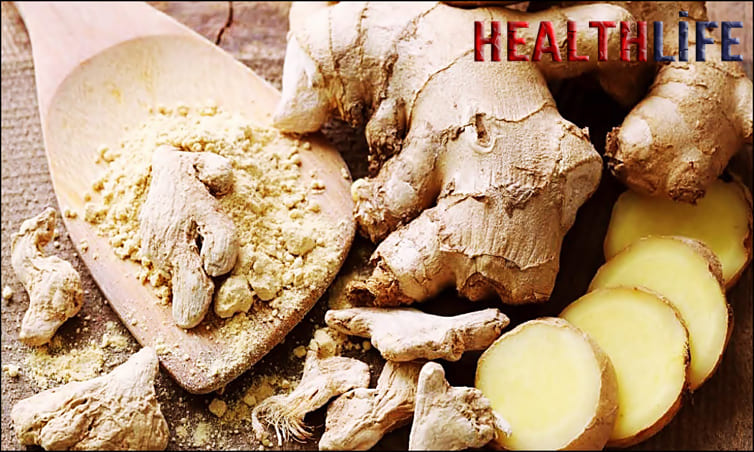
– Ginger also prevents fatty liver, which maintains body fat levels. It helps rapidly degrade cadmium, a substance that causes tuberculosis.
– Research has shown that regularly consuming ginger has a positive effect on health. For this reason, specialist physicians recommend consuming ginger daily.
– To prevent age-related neurological diseases such as Parkinson’s, dementia, and Alzheimer’s, experts recommend drinking at least one cup of ginger tea daily. Ginger also protects memory. You can use ginger as a spice in your meals.
In our article, What Ailments Does Ginger Treat?, you can learn which ailments ginger is good for and find information on how to consume it. If you have any questions about our article, please feel free to ask us in the comments section. You can also share our page about what ailments does ginger treat with your friends so they can learn more about it.
For your questions and complaints, you can write to us in the comments section. We are trying to help you with all your problems.
Our other recommendation link that may attract your attention; What Causes Fluid Accumulation In The Lungs?