How Long Do Electric Car Batteries Last? Electric vehicles are gaining popularity as an environmentally friendly and sustainable transportation option. However, one of the issues that electric vehicle users are most curious about is battery life. How long do electric car batteries last? We are here to explain the answer to this question.
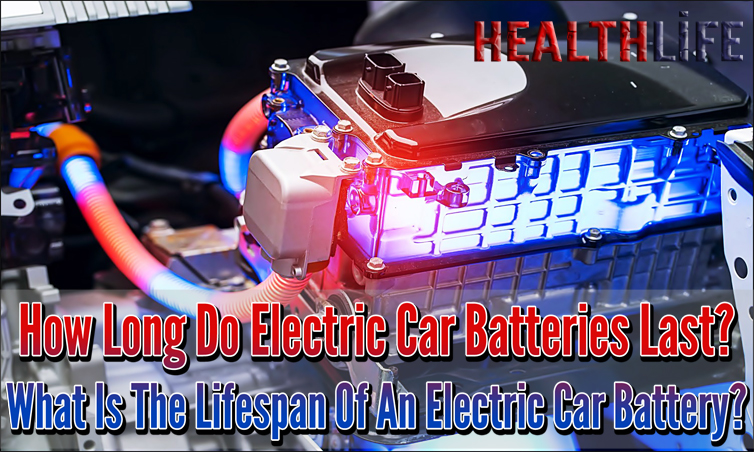
How long electric car batteries last depends on several factors. First, the chemical structure and technology of the battery are important. Thanks to developing technology, Lithion batteries are widely used today. These batteries have high energy density and can have a long life. Secondly, the way and conditions of use of the battery also affect its durability. Frequent fast charging or completely discharging the battery can reduce battery life. Careful use will help the battery last longer.
Third, environmental factors also affect the lifespan of the battery. High temperature or cold weather can adversely affect the performance of the battery. Therefore, it is important to use the battery in a temperature-controlled environment. However, in general, the lifespan of electric car batteries can range from 8 to 15 years. This period may vary depending on the brand, quality and usage of the battery. Some manufacturers guarantee battery life, while others target a specific mileage range. Electric car batteries can last a long time with good maintenance and careful use. With advances in technology, more durable battery models are expected to emerge in the future. As electric vehicles become increasingly common, efforts to extend battery life will also increase.
Battery life of electric vehicles: How long does it really last?
Electric vehicles are becoming increasingly popular as an environmentally friendly and sustainable transportation option. However, one of the big questions on potential buyers’ minds is the battery life of electric vehicles. Indeed, how long the batteries used in these vehicles can last is an important factor.
Battery life is a key feature that affects the performance, range and overall usability of an electric vehicle. The lifespan of a battery may decrease over time, causing a decrease in performance. However, batteries produced with today’s technology are more durable and long-lasting. There are many factors that affect the battery life of an electric vehicle. These factors include battery brand, capacity, charging process and usage method. For example, fast chargers can shorten the life of the battery when used continuously. Additionally, driving in high temperature environments or extremely cold conditions can also negatively impact battery performance.
However, there are ways to extend the life of electric vehicle batteries. Regular maintenance can improve the performance and durability of the battery. Avoiding overcharging the battery, keeping it at optimal charge levels, and using it in ideal temperature conditions can also extend battery life. The issue of battery life for electric vehicles is complex and multifaceted. However, batteries produced with today’s technology are becoming more durable and long-lasting. At this point, regular maintenance and correct use can also significantly affect the life of the battery. Electric vehicle owners should follow the manufacturer’s recommendations and pay attention to battery health to best protect their batteries.
The future of battery technology: What to expect from electric car batteries?
Electric vehicles are becoming increasingly popular due to their low carbon emissions and providing an environmentally friendly driving experience. Behind this rise is the rapid progress and developments in battery technology. So, what innovations can we expect with electric car batteries in the future?
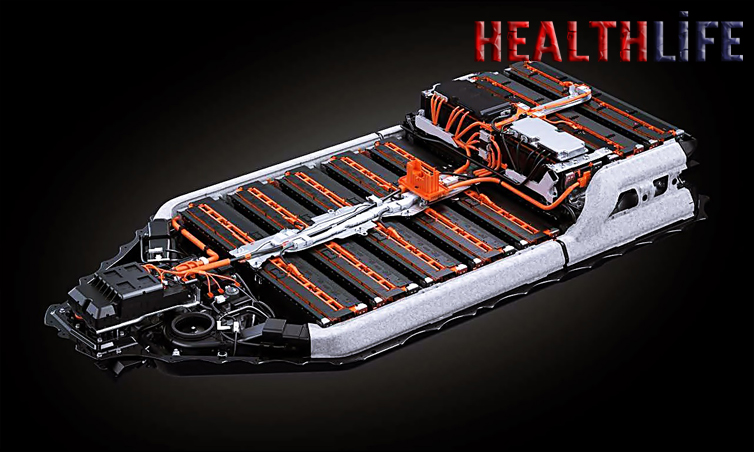
Currently, the most widely used electric vehicle batteries are lithium-ion batteries. However, this technology faces some challenges that need to be developed further. First, work is ongoing to increase the energy density of lithium-ion batteries. In addition, shortening the charging time of batteries and extending their life are among the important goals. In the future, the use of solid-state batteries in electric car batteries is expected to increase. While solid-state batteries offer greater energy storage capacity, they can also be safer. Such batteries may have the potential to charge faster and last longer than lithium-ion batteries.
However, the use of new materials such as graphene in future electric vehicle batteries is also expected. Graphene is a single-atom-thick material that can provide incredible conductivity and durability. Thanks to these properties, graphene-based batteries can be lighter, smaller in size and have higher energy storage capacity. Additionally, charging infrastructure will play a major role in the spread of electric vehicles. With the increase in the number of fast charging stations, users will be able to travel longer distances with less charging time. At the same time, advances are being made in wireless charging technologies, which can offer users an easier charging experience. Developments in battery technology will enable electric vehicles to become more widespread in the future. With faster charging times, longer ranges and safer batteries, electric vehicles will reduce the demand for gasoline vehicles and take a step towards a sustainable transportation future. These advances in battery technologies will contribute to the creation of an environmentally friendly and energy efficient transportation sector.
Which battery has the longest lifespan for electric vehicle users?
Which battery has the longest lifespan for electric vehicle users? This is an important question and has a huge impact on the performance and cost of electric vehicles. As electric vehicle technology develops rapidly, the durability and lifespan of batteries also increases. So, which battery type offers the longest life?
Lithium-ion batteries are the most widely used battery type today and are preferred by many electric vehicle manufacturers. These batteries are known for their high energy density, light weight and fast charging features. Additionally, lithium-ion batteries have a longer lifespan compared to other battery types. However, rapid charging near full capacity and continuous overdischarge may shorten battery life. New generation lithium-ion batteries have the potential to have greater energy storage capacity by using silicon anodes instead of graphite anode. This is an important advantage for electric vehicles designed to provide longer range. However, it may take some more time for these batteries to become commercially available.
In addition, solid-state batteries are a technology that is expected to play an important role in electric vehicles in the future. Solid-state batteries can have higher energy density and faster charging times compared to lithium-ion batteries. Additionally, the safety of batteries can be increased by the use of solid electrolytes. However, they are not yet used on a commercial scale and are in development. Today, lithium-ion batteries stand out as the longest-lasting battery. However, with the development of new technologies, it is likely that more durable and long-lasting battery solutions will emerge in the future. It is important for electric vehicle users to consider range, charging time and durability when choosing a battery.
What are the tips and strategies to maximize battery performance?
Devices such as smartphones, tablets and laptops have become an important part of our lives. However, the battery life of these devices is often limited and is a common problem among users. There are some tips and strategies to maximize battery performance. Here are some methods that can help you:
Reduce Brightness: Lowering the brightness level of the device screen can help the battery last longer. You can reduce energy consumption by reducing the brightness level in the settings menu.
Close Background Apps: Running non-working apps in the background can shorten battery life. It is important to completely close inactive applications or disable the automatic update option in the settings to use them when necessary.
Turn off Wi-Fi and Bluetooth: Wi-Fi and Bluetooth connections consume energy. Turning off these features when you’re not using them can increase battery life.
Set Up Auto-Sync: Auto-sync causes email, social media, and other apps to constantly send and receive data. This may cause the battery to drain faster. You can extend battery life by turning off automatic syncing in settings.
Set a Short Screen Time-out Period: By shortening the screen time-out period, you can ensure that the screen turns off faster when the device is not in use. This way you can save energy.
Use Battery Saving Mode: Many devices have a battery saving mode. This mode allows you to use the battery for longer. You can activate battery saving mode and extend battery life.
Use the Application Manager: Some devices have an application manager. This manager allows you to identify battery-draining applications and close them when necessary.
You can use these tips and strategies to maximize battery performance. These methods will help your device’s battery last longer. Remember, saving energy both extends battery life and makes your device work more efficiently.
In the content of our article about How Long Do Electric Car Batteries Last, you can find practical information about how long electric car batteries last that we have prepared for you, our valued friends, and share it with your friends and inform them about our page.
For your questions and complaints, you can write to us in the comments section. We are trying to help you with all your problems.
Our other recommendation link that may attract your attention; How Long Do Frozen Fruits Last?