How Long Does Corona Virus Last on Inanimate Surfaces? With the coronavirus (COVID-19) epidemic, people need to pay more attention to their hygiene habits to minimize the risk of infection. In this context, the role of inanimate surfaces on the survival time and spread potential of the virus is of great importance. It is thought that objects that people frequently contact in their daily lives are effective in transmitting the virus.
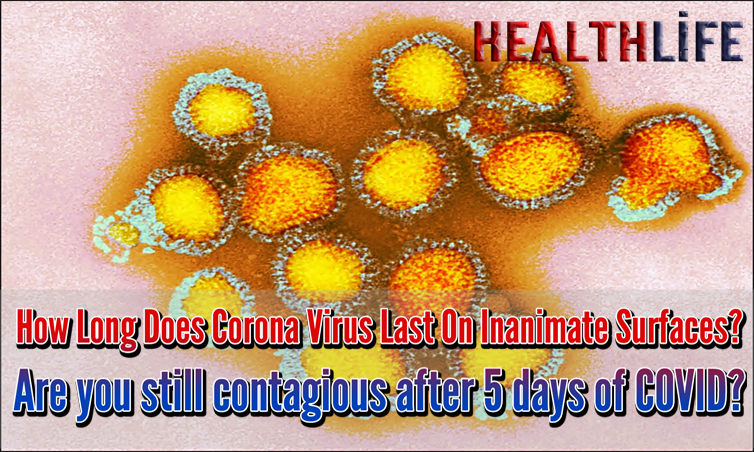
Research on how long the coronavirus will last on inanimate surfaces shows that various factors affect this period. First of all, the type and density of the virus is important. For example, some studies have shown that SARS-CoV-2 can survive on surfaces such as plastic and stainless steel for up to 2 to 3 days on average. However, another factor is environmental conditions. Variables such as humidity and temperature can affect how long the virus survives. Higher humidity rates can cause the virus to remain in the air for shorter periods of time and inactivate faster on surfaces. Additionally, high temperature and sunlight can also reduce the survival time of the virus.
The potential for transmission of the virus on inanimate surfaces may increase the risk of infection for the person in contact. In particular, frequent washing or disinfecting of hands plays an important role in reducing the risk of transmission. Therefore, it is of great importance to pay attention to cleaning and hygiene measures after contacting surfaces such as public transportation vehicles, shopping carts, and door handles. How long the coronavirus will last on inanimate surfaces depends on various factors and it is difficult to give an exact time. However, the importance of hygiene practices should not be overlooked. Regular washing of hands, cleaning and disinfecting surfaces are among the effective measures that can be taken to reduce the risk of transmitting the virus.
Survival Time of Corona Virus on Inanimate Surfaces: Scientific Findings
The coronavirus epidemic is still ongoing around the world and it is of great importance to obtain information on preventing the spread of the virus. In this context, the survival time of the coronavirus on inanimate surfaces is also an issue that is emphasized. Scientists have studied how long the virus can survive on different surfaces. According to current information, one of the surfaces on which the coronavirus can survive the longest is plastic. On plastic surfaces, the virus may be infectious for approximately 2 to 3 days. Similarly, the virus has the potential to survive on metal surfaces such as stainless steel for 2 to 3 days. On glass surfaces, the survival time of the coronavirus is shorter and is generally between 4 hours and 4 days.
It has been determined that the survival time of the coronavirus is shorter on absorbent surfaces such as wood and cardboard. On such surfaces, the virus usually becomes inactive in less than 24 hours. On the other hand, the survival time of the coronavirus may be shorter on surfaces with antimicrobial properties such as aluminum and copper. Of course, these times are estimates based on experiments conducted under laboratory conditions, and real-life exposure times may differ. The survival time of the virus can be affected by environmental factors such as humidity and temperature. While the survival time of the coronavirus on inanimate surfaces may be longer on smooth surfaces such as plastic and metal, it is shorter on absorbent surfaces. Therefore, it is important to observe hygiene rules and regularly clean and disinfect surfaces. However, one of the most effective methods to prevent the spread of the virus is to continue personal hygiene and social distancing.
The Most Dangerous Source of Contamination in Our Homes: Corona Virus and Inanimate Surfaces
The recent COVID-19 pandemic has affected every aspect of our lives. It is of great importance to wear a mask, social distance and comply with hygiene rules to protect our health. However, while people often take these precautions outside to make their homes feel safe, they forget that they need to take the same care at home as well. Corona virus, which is the most dangerous source of contamination in our homes, is known as a pathogen that can survive on inanimate surfaces for a long time. Since the coronavirus is transmitted through respiratory droplets, it spreads during coughing, sneezing or talking. However, the risk of contamination exists not only in the air but also on inanimate surfaces. For example, there is a high probability of Coronavirus being present on frequently touched surfaces in your home, such as door handles, table tops, and light switches.
Therefore, one of the most important steps to protect our homes from Coronavirus is cleaning and disinfection. Regularly cleaning and disinfecting frequently used surfaces helps prevent the spread of the virus. Cleaning with soap and water can neutralize viruses on inanimate surfaces. We should not forget to wash our hands, especially when we come into contact with unhygienic surfaces at home. Additionally, surfaces need to be disinfected regularly to ensure effective home hygiene. Strong disinfectants such as alcohol-based disinfectants or bleach can reduce the presence of Coronavirus on inanimate surfaces. Particular attention should be paid to potentially dirty surfaces such as toilets, kitchen counters, and bathroom sinks. Coronavirus, the most dangerous source of contamination in our homes, requires us to pay great attention to our cleaning and hygiene habits. It is important to clean and disinfect our homes frequently and wash our hands regularly. In this way, we can make our homes a safe place by protecting both ourselves and our family. Let’s not forget that small measures can make big differences and keep our homes away from dangerous contagions such as Corona virus.
The Danger of Corona Virus on Inanimate Surfaces: A Significant Risk for Public Health
COVID-19, which started as a global pandemic, continues to threaten people’s health. In addition to person-to-person contact, which is frequently emphasized among the ways of transmission of this virus, it also poses a significant risk that it can spread through inanimate surfaces. In terms of public health, it is extremely important to focus on this issue and take the necessary precautions. Scientists are investigating how long the coronavirus can survive on inanimate surfaces. Studies show that the virus can survive for a long time, especially on surfaces such as plastic and stainless steel. Additionally, it can remain viable for a certain period of time on glass, cardboard and other materials. This increases the potential for the virus to spread in shared spaces such as public transportation, shopping malls, offices and homes. The most effective way to protect yourself from this danger is to comply with hygiene rules. Washing hands frequently is an important step in cleaning microorganisms from the hands. At the same time, inanimate surfaces need to be cleaned and disinfected regularly. In this way, the risk of transmission of the virus can be reduced.
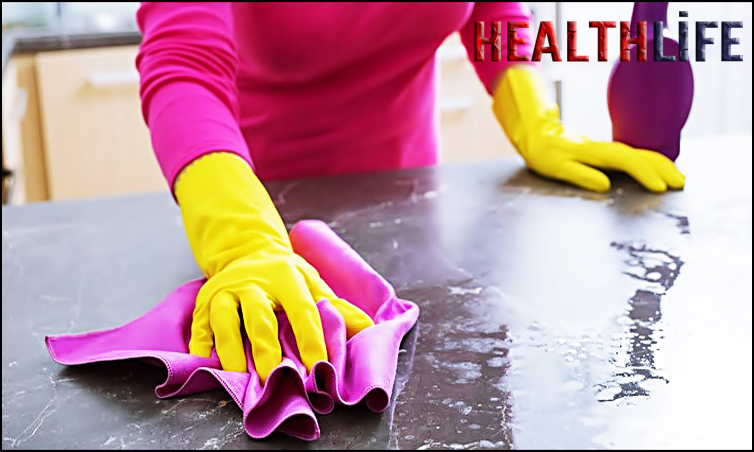
In order to minimize the danger of coronavirus on inanimate surfaces, everyone must fulfill their responsibilities. Public institutions, businesses and individuals should take the necessary precautions to ensure hygienic environments. Additionally, awareness raising activities should be carried out among people and access to accurate information should be facilitated. The coronavirus threat on inanimate surfaces poses a serious risk to public health. It is very important to comply with hygiene rules and take regular disinfection measures to reduce the potential for the spread of the virus. It is vital for each of us to take responsibility on this issue in terms of protecting the general health of society.
Germ Bombs: How Long Can Coronavirus Survive on Inanimate Surfaces?
With the coronavirus epidemic, people’s sensitivity to microbes on inanimate surfaces has increased. So how long can the coronavirus survive on these surfaces? In this article, we will examine virus survival on these inanimate surfaces, called germ bombs.
Coronavirus is a respiratory virus that can be spread through microscopic droplets released into the air when an infected person coughs or sneezes. These droplets are liquid particles that are released by infected people through the respiratory tract, cough or sneeze. The virus can fall on surfaces that these droplets come into contact with and survive there. It tends to last longer, especially on hard surfaces and materials such as plastic, glass and metal. Research shows that the coronavirus can survive on such surfaces for hours or even days.
However, the survival time of the virus depends on many factors. Environmental conditions such as temperature, humidity and smoothness of the surface are known to affect the survival time of the virus. At cooler temperatures and lower humidity levels, the coronavirus can survive longer, while at higher temperatures and humidity its survival time is shortened. Therefore, it is important to regularly clean and disinfect the surfaces we frequently contact in daily life. Washing our hands frequently and disinfecting our hands before and after touching surfaces are effective measures to reduce the risk of infection. Coronavirus can survive on inanimate surfaces for a certain period of time. This period may vary depending on environmental factors. However, it is possible to minimize the risk of infection by taking hygienic measures and regular cleaning. To protect our health, we must pay attention to hand hygiene and keep surfaces clean.
In the content of our article about How Long Does Corona Virus Last on Inanimate Surfaces, you can find practical information about how long does corona virus last on inanimate surfaces, which we have prepared for you, our valued friends, and you can share it with your friends and inform them about our page.
For your questions and complaints, you can write to us in the comments section. We are trying to help you with all your problems.
Our other recommendation link that may attract your attention; Where And How Long Does Breast Milk Last?