How Long Does Flour Last? Flour is an ingredient that is widely consumed around the world as a basic food ingredient and used in the preparation of various foods. However, the shelf life of flour depends on correct storage conditions. How long flour lasts can vary depending on many factors.
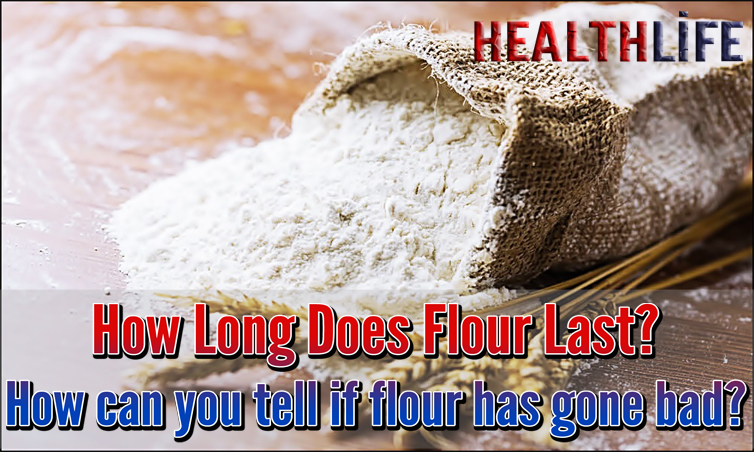
One of the main factors affecting the shelf life of flour is the humidity level of the environment where the flour is stored. Moisture can accelerate the deterioration of flour and lead to mold or fungus growth. Therefore, it is important to protect the flour from moisture. Storing flour in a dry and cool place can increase its durability. Additionally, it should not be forgotten that the packaging of the flour also affects its shelf life. Flour stored in a closed and tightly sealed package is better protected from external factors and stays fresher longer. Flour that comes into contact with air is exposed to oxygen over time and may lose its quality.
The shelf life of flour may also vary depending on the type of flour. Whole grain flours, such as whole wheat flour, may have a shorter shelf life because they contain more fat. White flour can last longer. The shelf life of flour depends on its storage conditions and type. To keep flour fresh, it is important to store it in a dry and cool environment, limit its contact with air, and package it appropriately. This way, you can increase the durability of your flour and prepare food of the best quality.
How Long Can Flour Maintain Its Freshness? Here’s the Process Before the Expiration Date
Flour is a nutritious food used as a key ingredient in many cuisines. The freshness of this ingredient, which adds flavor and touch to the dishes, is extremely important for the quality and safety of the food. So, how long can flour stay fresh and how should it be preserved before it expires? In this article, you will find detailed information about the process of preserving the freshness of flour.
Flour is a product that can last for a long time when stored under the right conditions. The key to this is that the flour is not affected by moisture, light and air. Moisture absorbs moisture from the flour and can lead to mold. Therefore, it is important to store the flour in a dry place. Additionally, not exposing it to direct sunlight can cause loss of color and flavor. It is ideal to store flour in a closed container or airtight bag. The expiration date is a guide to ensure the best quality and freshness of the flour. However, you can maintain the quality of the flour even before the expiry date. Before storing flour for a long period of time, it is important to check the expiration date on the package when you buy it. Lightly smelling it and checking its appearance can also give clues about the freshness of the flour. If you notice any abnormality in the appearance or smell of the flour, it is important to consult a professional before consuming it.
To maintain the freshness of the flour, it is also important to purchase the quantity according to need. Purchasing too much flour may cause it to sit out for a long time and cause loss of quality. By sifting the flour before using it, you can reduce the amount of air in it and thus slow down the oxidation process. Flour is a food that can maintain its freshness for a long time when stored under the right conditions and paying attention to the expiration date. It should be stored properly by keeping it away from moisture, light and air. To ensure the freshness of the flour, it is important to check the expiration date on the package and check its appearance and smell. All these steps will ensure that your flour delivers the best taste and nutritional value in your meals.
Flour Storage and Preservation Secrets: What Are the Ideal Conditions?
Flour is a basic ingredient frequently used in kitchens. In addition to adding flavor to our meals, it maintains its freshness for a long time when stored correctly. Therefore, it is important to store the flour in optimal conditions. Here are some tips on flour storage and preservation secrets:
Use Airtight Containers:
Flour has a structure that moisture can seep into. Therefore, using airtight containers is the best option. Plastic or glass containers prolong the freshness of the flour by keeping out moisture and air.
Choose a Cool, Dry Place:
It is very important to store flour in a cool and dry environment. Temperature changes and high humidity can cause flour to spoil. You can ensure ideal conditions by staying away from hot spots such as near cabinets, refrigerators or stoves.
Keep Away from Sunlight:
Sunlight can reduce the nutritional value of flour and shorten its shelf life. Therefore, it is important to store the flour away from sunlight. You can choose storage areas that block light, such as dark-colored containers or pantries.
Take Frequently Used Amounts:
Flour may oxidize over time and lose its freshness. Therefore, it is better to take it in frequently used quantities. This way, your flour always stays fresh and you prevent waste.
Tag:
If you use more than one type of flour, labeling makes your job easier. Specifying the type of flour, date of purchase and expiration date will help you stay organized.
Freezer Storage:
If you want to store the flour for a long time, you can store it in the freezer compartment of the refrigerator. They preserve their freshness for a long time in the freezer by placing them in airtight containers. However, it is important to bring the flour to room temperature before using it again.
Proper storage of flour is of great importance in preparing healthy and delicious meals. By following the tips above, you can store your flour in the most ideal conditions and always use it fresh.
What Precautions Should Be Taken to Prevent the Nutritional Values of Flour from Decreasing?
Flour is a basic food ingredient and is widely used in making various foods and pastries. However, the nutritional values of flour may decrease during the production, storage and processing processes. Therefore, it is important to take some precautions to preserve the nutritional values of flour. First, care must be taken when processing the flour. During the flour milling and processing stages, the temperature should be controlled and the processing time should be kept short. Prolonged processing or high temperatures may result in loss of nutrients. Therefore, processing should be done at low temperature and minimum time.
Secondly, the storage of flour must be carried out correctly. Humidity and light are factors that can deteriorate the nutritional values of flour. It should be stored in a dry and cool environment, kept away from moisture and protected from sunlight. Additionally, appropriate containers should be used to prevent the flour from coming into contact with air. Thirdly, it should be preferred not to add additives to extend the shelf life of the flour. Some manufacturers may use additives to increase the durability of the flour and improve its appearance. However, these additives may negatively affect nutritional values. By choosing pure and natural flour, you can help preserve nutritional values.
Finally, for home flour consumption, freshly milled flour should be used whenever possible. Freshly milled flour tends to have higher nutritional values. If possible, you can choose natural stone mills or home flour milling machines to grind your own flour. It is important to apply these precautions to prevent the nutritional value of the flour from decreasing. It will be possible to preserve the natural nutritional values of flour by taking into account factors such as processing, storage, additives and freshness. Thus, you can prepare healthier and more nutritious baked goods.
How Do We Identify Bad Flour? Tips and Tricks
Flour is an essential ingredient in many cooking and baking processes. However, sometimes the flavor of the flour can go bad and negatively affect your results. Are you wondering how you can detect spoiled flour? Here are tips and tricks to help you detect off-flavored flour.
First, pay attention to the smell. Fresh flour comes with a slight wheat odor, while spoiled flour can emit an unpleasant odor. If your flour gives off a bad smell, its flavor has probably been affected. Appearance is also an important clue. Fresh flour is usually white and smooth, while spoiled flour may appear yellowish or moldy. If you notice a mold-like appearance, you can tell that the flour is no longer usable. Also, tasting is an option. Take some flour in your hand and taste it to check if it is consumable. Spoiled flour often leaves a sour or bitter taste. If you notice a difference in taste, you may think that the flavor of the flour may be spoiled.
Flour storage conditions are also important. Flour should be stored in a cool place away from moisture. If your flour has been exposed to moisture or has been stored in a hot environment, its flavor may deteriorate. Using flour with spoiled flavor may negatively affect the results of your baking. Therefore, it is important to take care to use fresh and high-quality flour. If you think your flour has lost its flavor, throwing it away would be the best option. When the flavor of flour deteriorates, its smell, appearance and taste may change. If it smells bad, its color and appearance are abnormal, or its taste is sour or bitter, your flour may have spoiled flavor. By using quality and fresh flour, you can improve your cooking experience and achieve delicious results.
In the content of our article about How Long Does Flour Last?, you can find detailed practical information about how long the flour lasts, which we prepared for you, our valued friends, and share it with your friends and inform them about our page.
For your questions and complaints, you can write to us in the comments section. We are trying to help you with all your problems.
Our other recommendation link that may attract your attention; Does Prosthetic Hair Deteriorate?