How Long Does Food Last in Our Stomach? Our stomach is an important organ that takes the first step of the digestive process. When we eat foods, we may wonder how long they will stay in our stomach. In this article, we will explore how long food lasts in the stomach.

First, let’s give some information about the anatomy of the stomach. The stomach is an organ located in the upper part of the digestive system. Although its shape and size vary from person to person, it is generally hemispherical in shape and approximately 25-30 cm long. The stomach undertakes the task of storing and mixing food and secreting acids and enzymes that aid digestion in the initial stages. Food can remain in our stomach for various periods of time. This period may vary depending on the characteristics of the food consumed, the health of our digestive system and personal factors. For example, liquids generally pass through the stomach more quickly, while fiber-rich foods can remain in the stomach longer.
According to some research, in a normal situation, the time that food stays in the stomach is usually between 2 and 4 hours. However, the digestion process may vary from person to person and may take longer in some cases. Acid and enzymes in the stomach break down food and facilitate the absorption of nutrients. The digestive system carries digested food moving towards the intestines during this process. Food remains in our stomach for a certain period of time and begins its digestive journey, which is the first step of the digestion process. This time can vary depending on a variety of factors and usually takes between 2 and 4 hours. However, each individual’s digestive system may work differently, so the length of time food stays in the stomach may vary from person to person. In this article, we tried to explain how long food stays in our stomach. The digestive process is a complex process and can be affected by various factors. It is important to consult your healthcare provider for more information. Remember, a balanced diet and lifestyle is important for a healthy digestive system.
Food’s Adventure with the Digestive System: The Journey in Our Stomach
When a plate full of food is placed in front of us, a unique adventure begins in our stomach. The digestive system breaks down food and prepares nutrients so that our body can use them. In this article, we will discuss this journey inside our stomach and the important stages of the digestive process.
The first step is to move food from the esophagus to the stomach. With the swallowing reflex, stomach acid begins to be secreted as the food moves towards our stomach. Stomach acid is important for breaking down proteins and destroying microorganisms. At this stage, muscle movements in the stomach also help mix the nutrients. The stomach breaks the food into smaller pieces and sends them to the small intestine. The small intestine is one of the most important stages of the digestive process. Here, enzymes produced by glands such as bile and pancreas ensure complete digestion of food. Essential nutrients such as carbohydrates, proteins and fats are absorbed in the small intestine and pass into the bloodstream.
However, the journey of the digestive system does not end there. The large intestine collects the remaining waste materials that are not necessary for our body. While the reabsorption of water and electrolytes takes place here, beneficial bacteria called intestinal flora also function. Feces in the form of solid waste are transported to the rectum and finally defecated. This journey inside our stomach is a complex process and requires many components to come together. The digestive system enables the body to meet its energy needs by breaking down food and absorbs the required minerals, ensuring the regular functioning of body functions. The journey through our stomach shows how food is processed through the digestive system and how nutrients benefit our body. In this process, elements such as stomach acid, enzymes and intestinal flora play important roles. The digestive system, which actively participates in every step, stands out as a fundamental element for a healthy life.
The Hidden Heroes of Our Stomach: Which Foods Are the Most Durable and Tough?
In the world of nutrition, there are some foods that are real heroes for our stomachs. These foods provide us with body health and energy by successfully overcoming the harsh conditions of our digestive system. But are you wondering which foods are the toughest and toughest on our stomach? Here are some tips on this subject. The first is vegetables, which are rich in fiber. Green leafy vegetables such as broccoli, cabbage and spinach are important nutritional sources that provide endurance to our digestive system. Fiber regulates bowel movements and facilitates digestion. Therefore, adding these vegetables to your daily diet will be of great benefit to your stomach.
Whole grain products come in second place. Whole grain foods such as whole grain bread, oatmeal, and brown rice contain slowly digested carbohydrates. In this way, your stomach stays full for a long time and your energy level is balanced. In addition, whole grain foods are rich in fiber and vitamins and minerals, which have a positive effect on the health of your digestive system. Additionally, probiotic foods also play a hero role for our stomach. Foods containing probiotics such as yoghurt, kefir and pickles are friendly to our digestive system. These foods support the production of digestive enzymes and balance the intestinal flora. Thus, it prevents digestive problems and protects stomach health. Finally, seafood is another food group that increases your stomach’s endurance. Oily fish such as salmon, tuna and mackerel are rich in omega-3 fatty acids. Omega-3 fatty acids have anti-inflammatory properties and soothe the stomach. Additionally, seafood keeps the stomach full for a long time with its high protein content. These foods are the unsung heroes of your stomach. They are important nutritional sources that protect stomach health and facilitate digestion by increasing the endurance of our digestive system. You can strengthen your stomach and have a healthy digestive system with the right nutritional choices. Remember, taking good care of your stomach positively affects the overall health of your body.
Stomach Acid: A Powerful Defense System That Defys Food
Stomach acid is an essential part of the digestive system and plays an important role in preparing the nutrients in food for the digestive process. The strength of stomach acid is vital for effective digestion. In this article, we will explore the function of stomach acid and how it forms a defense system against food.
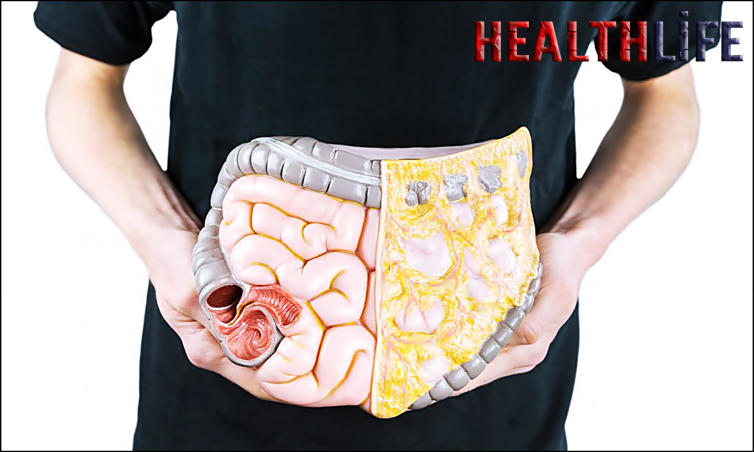
Stomach acid is a type of acid also known as hydrochloric acid (HCl). It is produced by cells on the inner surface of the stomach and works with an enzyme called pepsin to break down proteins. The low pH level of HCl inhibits the growth of microorganisms and destroys potentially harmful bacteria. Therefore, stomach acid forms the first line of defense of the digestive system. Stomach acid also increases the absorption of iron and other minerals. It also ensures that some vitamins and other nutrients are digested and become available to the body. It is important for stomach acid to be at appropriate levels for the digestive process to proceed efficiently.
The secretion of stomach acid is triggered by food intake. When appetite increases, stomach acid production also increases and the digestive process begins. However, in some people, stomach acid may be overproduced or acid levels may be unbalanced. This can lead to heartburn, indigestion, and other digestive problems. In such cases, doctors may recommend antacids or other medications. Stomach acid is a critical component of the digestive system and provides a strong defense against food. Effective secretion of HCl facilitates the digestion of food, inhibits the growth of microorganisms and increases the absorption of nutrients. Having the right levels of stomach acid is important for a healthy digestive system. If you encounter any digestive problems, it is important to consult a specialist.
Secrets of Food Spoilage: How Long Can It Be Stored in Our Stomach
Because of our interest in food and our taste buds, we may sometimes notice that food spoils before its due date. Does this mean that foods spoil naturally, or is it related to how long they can be stored in our stomachs? Let’s take a look to discover the answer to this question. First of all, the acidic environment of our stomach can affect the food spoilage process. Hydrochloric acid in the stomach can inhibit the growth of some microorganisms, thus making foods last longer. However, this does not work the same for every food. For example, protein-rich meat products or dairy products are less resistant to the action of stomach acid and may spoil more quickly.
Additionally, the amount of water contained in foods is also important. Water provides an ideal environment for the proliferation of microorganisms. The high water content in fruits and vegetables, in particular, can cause these foods to spoil faster. On the other hand, foods with low water content, such as nuts, may last longer. However, the acid and other digestive enzymes in our stomach cannot prevent food from completely spoiling. Therefore, it is important to keep homemade food in the refrigerator for a very long time or consume it before its date. There is also the risk that food left out in the open will be more exposed to microorganism growth. How long it can be stored in our stomach depends on the type of food, the amount of water it contains and the digestive process in the stomach. However, it is important to always consume fresh and hygienic foods for our food safety and health. Storing food correctly can prolong the spoilage period and protect us from possible health problems.
In the content of our article about How Long Does Food Last in Our Stomach, you can find practical information about how long the foods we prepare for you, our valued friends, last in our stomach and share it with your friends and inform them about our page.
For your questions and complaints, you can write to us in the comments section. We are trying to help you with all your problems.
Our other recommendation link that may attract your attention; How Long Does Poppy Paste Last?