How Long Does Mother-Made Yogurt Last? Yogurt is one of the fermented dairy products that has many health benefits. Yogurt made at home offers a natural and healthy alternative. So, how long does mother-made yoghurt last? Here is an informative article for those wondering the answer to this question.
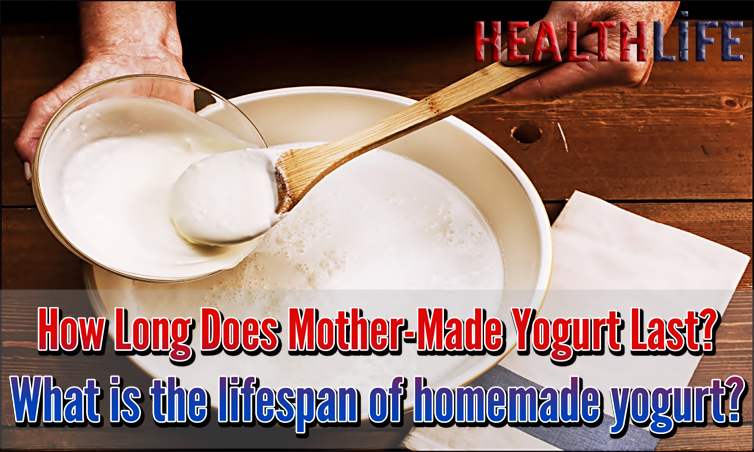
Mother-made yoghurt can be as durable as it is fresh and delicious. However, shelf life varies depending on correct storage methods and conditions. The durability of yoghurt is better in the short term. When made fresh, yogurt can maintain its freshness and quality for approximately 7-10 days. Among the factors affecting the shelf life of yoghurt, storage conditions are the most important. It is important to store yoghurt in the refrigerator at low temperatures. The temperature of the refrigerator prevents the yoghurt from spoiling and keeps it fresh for longer. It is also important to store yoghurt in airtight containers. When exposed to air, yogurt can spoil faster and acquire a sour taste.
If you want to keep yoghurt for a longer time, you can choose the freezing method. By freezing yoghurt in suitable containers, you can ensure that it maintains its freshness and quality for 2-3 months. Frozen yogurt may lose some consistency when thawed, but it will still retain its flavor and nutritional value. Remember that the durability of yoghurt also depends on its production methods. Yogurts made in accordance with good hygiene rules can last longer. Factors such as pasteurizing the milk at the right temperature, using the right yoghurt starter culture, and using clean containers increase the durability of yoghurt. Mother-made yoghurt can stay fresh for approximately 7-10 days under correct storage conditions. Frozen yoghurt can maintain its durability for 2-3 months. However, in all cases, it is important to pay attention to hygienic production methods and correct storage conditions in order to preserve the freshness and quality of yoghurt. Thus, you can enjoy your homemade yoghurt for a long time.
A Healthy Alternative: Shelf Life of Mother-Made Yogurt
Mother Made Yogurt has gained popularity as a healthy and delicious alternative. While most of the yoghurts offered in the market contain preservatives and additives, mother-made yoghurts stand out with their natural and nutritious properties. In addition, the shelf life of these yoghurts is also quite impressive. The shelf life of mother-made yoghurt may be a matter of concern. However, when the right methods are used and stored under appropriate conditions, these yoghurts can be quite durable. One of the factors affecting shelf life is that yoghurt is produced in a sterile and hygienic environment. Yogurts produced with a good quality control process prevent the development of bacteria and other microorganisms, so they stay fresh longer.
Additionally, storing yoghurt at an appropriate temperature is also a factor affecting its shelf life. When stored in a cold environment, yogurt can last longer. However, it is also important to store yoghurt in a container that is constantly opened and closed or in airtight packaging. This prevents the yoghurt from being exposed to oxygen, helping it maintain freshness and durability.
Another method to increase the shelf life of mother-made yoghurt is to ferment the yoghurt. The fermentation process helps increase the acidity of yoghurt so that it can be preserved for longer. This naturally acidic environment prevents the growth of harmful bacteria and prevents the yoghurt from spoiling. In addition to being a healthy alternative, mother-made yoghurts can have a long shelf life when stored under appropriate conditions. By taking into account factors such as sterile production, low temperature storage and natural fermentation, it is possible to obtain fresh and nutritious yoghurts. By making your own yoghurt, you provide an option that supports your health and reduces waste at home.
The Border Between Taste and Freshness: The Longest-Term Preservation Methods for Mother-Made Yogurt
Mother-made yoghurt not only enables healthy nutrition but also has a sweet taste. However, maintaining the freshness of this naturally fermented product can sometimes be a challenge. Here is important information about the longest-term protection methods of mother-made yoghurt. The first step in preserving the freshness of yoghurt is choosing the right milk. You can reduce the risk of infection by using fresh and high-quality milk. It is also important to be meticulous about cleanliness when preparing yoghurt. Sterilizing all equipment and containers prevents the growth of unwanted bacteria.
You should consider the cooling conditions for the freshness of your yoghurt. Yogurt can last longer when stored at low temperatures. It is ideal to keep the temperature of the refrigerator around 4-6 degrees. Additionally, storing yogurt in airtight containers increases its freshness. However, it is also important to take extra care before fermenting yogurt. The correct temperature and time must be used in the yoghurt fermentation process. Generally, it is preferable to wait a longer time to increase the consistency of your yoghurt. However, in this case, the freshness of the yoghurt may decrease. Ideally, it is necessary to control the yogurt fermentation time accurately.
Freezing method can also be used to make yoghurt last longer. Dividing yoghurt into small portions and storing it in the freezer helps preserve freshness and flavor. Frozen yogurt can last for months and can be easily thawed and consumed whenever you need it. It is important to strike a balanced balance between the sweetness and freshness of mother-made yoghurt. You can keep the freshness of your yoghurt at the highest level by using fresh and high-quality ingredients, paying attention to cleaning and sterilization, storing it at low temperatures and freezing it when necessary. Thus, you can offer a healthy and delicious snack.
The Benefit of Yogurt Prepared at Home: How Long Does It Stay Fresh?
Yoghurt has an important place on many people’s tables as a healthy and nutritious food. Homemade yoghurts stand out with their fresh and natural taste. However, how long homemade yoghurt maintains its freshness is a matter of curiosity. Since yoghurt made at home is a fermented milk product, it naturally begins to change after a while. However, there are some factors that affect the freshness of yoghurt. First, how the yoghurt is stored is important. Homemade yogurt can retain its freshness longer when stored in an airtight, tightly closed container in the refrigerator.
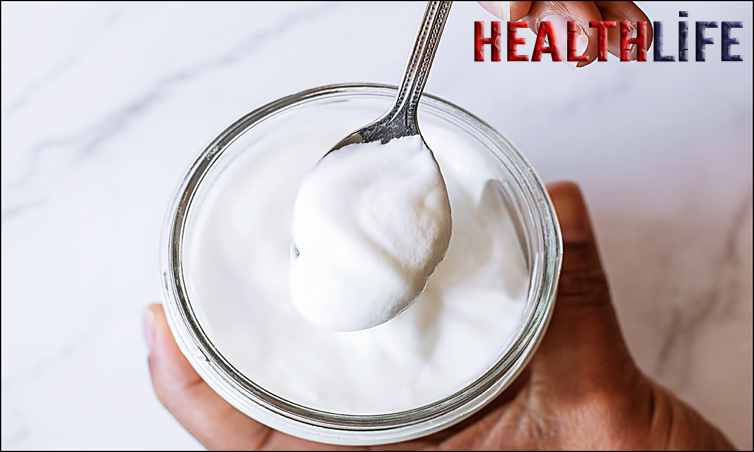
Additionally, additives added to yogurt can also affect freshness. For example, fruit particles or sugar can lead to the growth of microorganisms that can spoil the yogurt. Therefore, you can keep it fresh for longer by choosing natural and additive-free yoghurts. The freshness of yoghurt also depends on the making process. Using yoghurt starter and keeping it at the appropriate temperature ensures that the yoghurt is healthy and maintains its freshness for a longer time. It is also possible to make a new yoghurt each time by keeping some yeast or yoghurt starter for long-term storage of yoghurt.
However, the freshness of yoghurt made at home can be maintained for a certain period of time. Generally, yogurts stored in the refrigerator can stay fresh for 1 to 2 weeks. After this period, the yoghurt may lose its consistency, acquire a sour taste or show mold growth. In these cases, it is important not to consume the yoghurt and prepare it again. Although yoghurts prepared at home are a natural and delicious option, their freshness retention period is limited. It is important for consumers to store yoghurts correctly and prefer natural products without additives. Thus, the freshness of homemade yoghurt can be enjoyed for a longer period of time.
Staying Away from Germs: Ideal Storage Conditions for Mother-Made Yogurt
Mother-made yoghurt is full of probiotics, which are effective in maintaining a healthy intestinal flora. However, correct storage conditions must be provided to preserve the effect of these valuable microorganisms. Here are the ideal storage methods and tips for mother-made yoghurt:
The Importance of the Cold Chain: Mother-made yoghurt should be stored at low temperatures to reduce the risk of infection. As a first step, the yoghurt should be quickly placed in the refrigerator after preparation. This prevents the proliferation of microorganisms and preserves the freshness and quality of the yoghurt.
Use Airtight Containers: Appropriate containers should be used to limit yoghurt’s contact with air. Plastic or glass jars are ideal choices to keep the yoghurt free of germs. The lids of the containers should be tightly closed to prevent the entry of harmful organisms from outside.
Beware of Odor and Taste Contamination: Yogurt can easily absorb the odors from its surroundings. Therefore, yoghurt containers should be stored in an odor-proof environment, away from other dishes or spicy items. Additionally, care should be taken to prevent yoghurt from coming into contact with other foods.
Short-Term Storage: Mother-made yoghurt should be stored for as short periods as possible in order to best preserve its freshness and nutritional value. Care should be taken to consume it on the day it is made. If it is necessary to store it for several days, it should be consumed within 3-4 days maximum.
Freezing Option: Freezing yogurt is also an option. Storing yogurt in the freezer may reduce the activity of probiotics, but it still provides a nutritious alternative to use in desserts or smoothies.
It is important to pay attention to the correct storage conditions of mother-made yoghurt to stay away from germs. You can minimize the risk of infection by storing it in the refrigerator, using airtight containers, preventing odor and taste contamination, and short-term consumption. With these simple tips, you can safely consume your healthy and nutritious mother-made yoghurt.
In the content of our article about How Long Does Mother-Made Yogurt Last?, you can find practical information about how long mother-made yogurt lasts and you can share it with your friends on your social networks and inform them about our page.
For your questions and complaints, you can write to us in the comments section. We are trying to help you with all your problems.
Our other recommendation link that may attract your attention; How Long Do Opened Packaged Almonds Last?