How Long Does Wheat Last? Wheat is one of the most important grain types in agricultural production. However, the shelf life and storage conditions of wheat may affect its quality and usability. In this article, information will be given about the shelf life of wheat and appropriate storage methods will be emphasized.

The shelf life of wheat varies depending on correct storage conditions. In a good storage environment, wheat can maintain its freshness for a long time. When optimal storage conditions are provided, the shelf life of wheat can extend between 5 and 10 years. One of the factors affecting the shelf life of wheat is moisture. The moisture content of wheat should be kept low because high humidity can cause mold and fungus formation in wheat. A well-ventilated warehouse with air circulation is important for humidity control.
Additionally, temperature also affects the shelf life of wheat. The temperature of the environment where wheat is stored should be kept low. High temperatures can cause wheat to spoil and reduce its nutritional value. The ideal storage temperature should be between 10-15 degrees to ensure that wheat preserves its important properties. In addition, a hygienic warehouse environment must be provided to prevent harmful insects and pests from damaging the wheat. Appropriate pesticide methods and regular cleaning routines should be applied for insect and pest control. Wheat can last for a long time when proper storage conditions are provided. Factors such as moisture control, low temperature, insect and pest control help wheat maintain its quality. Agricultural producers and warehouse owners should implement correct storage measures to increase the durability of wheat and minimize losses.
The Secret of Wheat’s Durability: How Does It Survive for Thousands of Years?
Wheat, which has a story going back thousands of years, has an important place in the agricultural world. Naturally, the durability of wheat and why it can survive for thousands of years has been a matter of curiosity. Here is the secret of wheat’s durability and how it survives for so long. The wheat plant can be resistant to various challenges thanks to its natural adaptability. First, the wheat plant is rich in genetic diversity, which helps it adapt to environmental changes. As a result of thousands of years of selection, wheat varieties that have developed resistance to different climatic conditions, diseases and harmful organisms have emerged.
Additionally, the wheat plant is strongly attached to the soil with its root system and absorbs nutrients efficiently. This helps the plant meet its nutritional needs and grow healthy. The wheat plant effectively uses minerals in the soil to strengthen its root system and retains water efficiently. Thus, it manages to survive even in difficult conditions such as drought. Another factor that increases the durability of the wheat plant is reproductive strategies. The wheat plant reproduces itself through cross-pollination, which provides genetic diversity. By combining different genotypes, it increases the chance of developing resistance to plant diseases and pests. At the same time, the wheat plant ensures the continuation of its generation by spreading its seeds efficiently. The secret of wheat’s durability stems from factors such as natural adaptation ability, strong root system, genetic diversity and breeding strategies. This plant, which has been an indispensable part of the agricultural world for thousands of years, has contributed to people’s nutrition and managed to survive. The durability and longevity of wheat is further improved by research in the field of agriculture and is aimed to adapt to future needs.
Climate Change and Wheat Production: What Do We Expect in the Future?
Humanity is increasingly beginning to feel the effects of climate change on the agricultural sector. Especially a basic grain product such as wheat production is affected by the negative consequences of climate change. When evaluating our expectations for the future, it becomes essential to consider these factors.
Climate change is leading to increases in temperatures and extremes in weather conditions around the world. This may affect the productivity of wheat fields. Unusual weather events such as high temperatures, drought, floods and storms can cause serious damage to wheat growing areas. This may lead to decreases in wheat production and disruptions in the supply-demand balance in the future. Additionally, climate change encourages the spread of diseases and pests in agricultural areas. The increase in temperature paves the way for the rapid increase in insect populations and the spread of plant diseases. This could negatively impact wheat harvests and lead to yield loss in the future.
However, we should not lose all hope. We have a chance to deal with climate change by making changes in the agricultural sector. Climate-friendly agricultural practices play an important role in helping farmers combat climate change. Sustainable farming techniques such as water management, soil conservation, use of organic fertilizers can increase the resilience of wheat production. Additionally, investments in agricultural research and technological advances can also improve wheat production in the future. Innovations such as climate prediction models and genetic engineering may enable the development of more resilient wheat varieties.
Climate change may have serious impacts on wheat production. However, with the adoption of sustainable agricultural practices and technological advances, there may be promising developments in wheat production in the future. It is important for scientists, farmers and society to come together and collaborate to combat climate change. In this way, access to wheat, a healthy and sustainable food source, for future generations can be guaranteed.
The Role of Wheat in Global Food Security: Why Is It Important?
Wheat is an important grain that is the most consumed throughout the world and is a basic food source. The role of wheat in terms of global food security is quite large. So why is wheat so important?
First of all, wheat is the staple food of many countries around the world and has a critical role in meeting the basic nutritional needs of societies. Flour, bread, pasta and other derivatives derived from wheat are an indispensable part of many people’s daily diet. In this respect, wheat plays a vital role in the fight against global hunger. In addition, the economic and social effects of wheat agriculture are also very important. Wheat production contributes to the national income of many countries and helps increase employment in rural areas. This helps to increase the welfare of societies and reduce poverty.
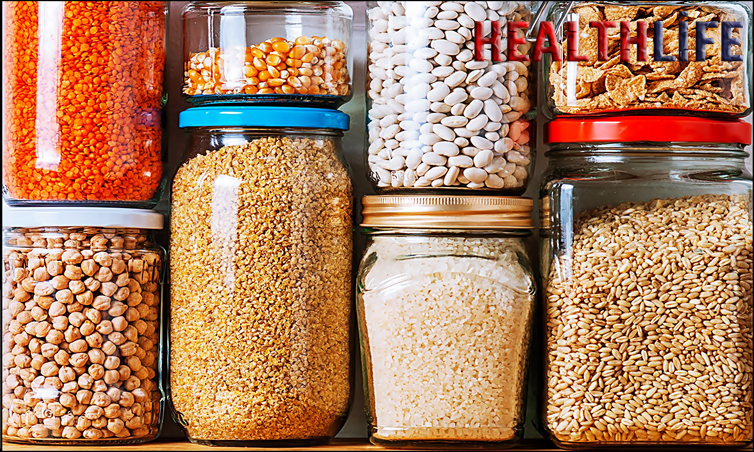
Wheat is also important for environmental sustainability. It helps protect agricultural lands thanks to its erosion-resistant root system and soil fertility-increasing properties. Additionally, it can be grown harmoniously with other plant species, thus supporting biodiversity. As a reliable food source, wheat is also important for tackling challenges such as worldwide population growth and climate change. With its high nutritional value, long-term durability and storability, wheat plays a key role in meeting people’s nutritional needs even in times of crisis. The role of wheat is of great importance in terms of global food security. As a basic food source, wheat not only enables people to obtain a healthy and balanced diet, but also is notable for its economic, social and environmental benefits. Wheat production and sustainable use is a vital factor in ensuring global food security.
Threats to Wheat Production: Diseases, Pests and Other Challenges
Wheat is the most widely cultivated grain species worldwide and plays an important role as a key food source. However, wheat production faces various threats. In this article, we will talk about diseases, pests and other difficulties in wheat production.
Diseases are among the main problems of wheat production. Diseases affecting wheat plants can cause yield loss and reduce quality. For example, fungal diseases such as leaf spot, rust, powdery mildew and septoria are common in wheat fields. To combat these diseases, appropriate disease management strategies should be implemented and resistant varieties should be preferred. Another important threat to wheat production is harmful organisms. Pests such as beetles, aphids, wheat head moth and wheat gall nematode infest the wheat plant and cause damage. An integrated pest management approach should be used to combat these pests. The combination of biological control, chemical control and cultural methods can reduce the impact of pests.
In addition, environmental factors also create difficulties in wheat production. Effects such as climate change, water scarcity and soil erosion can cause major problems in wheat cultivation areas. These problems can be minimized by using irrigation systems effectively and taking water saving measures during drought periods. Additionally, the risk of soil erosion can be reduced with sustainable agricultural practices. To deal with threats to wheat production, collaboration and knowledge sharing between agronomists, farmers and researchers are important. Efforts should be made to create robust disease management plans, adopt integrated pest management strategies, and adapt to climate change. Wheat production faces many threats. Diseases, pests and environmental factors can have negative effects on the productivity and quality of wheat. However, the impact of these threats can be reduced and a healthy wheat production can be achieved with appropriate management strategies and sustainable agricultural practices.
In the content of our article about How Long Does Wheat Last, you can access detailed practical information about how long wheat lasts, which we have prepared for you, our valued friends, and share it with your friends and inform them about our page.
For your questions and complaints, you can write to us in the comments section. We are trying to help you with all your problems.
Our other recommendation link that may attract your attention; How Long Does Dark Chocolate Last?