What Causes Adult Stills Disease? What are the Symptoms of Adult Still’s Disease?, How is adult still’s disease passed? Information you are curious about.
What Causes Adult Stills Disease? What are the Symptoms of Adult Still’s Disease?
Adult Still’s disease, a rare systemic autoinflammatory disease of unknown etiology that affects multiple organs and includes patients with various clinical courses, is seen in children before and during puberty. In the content of our article, you, our valued friends, can find detailed answers to the questions What are the symptoms of adult Still’s disease? and How is adult Still’s disease transmitted? So What causes adult Still’s disease?
The name of adult Still’s disease comes from Sir George Frederic Still, who described 22 children with systemic onset juvenile idiopathic arthritis in 1897 and discovered the disease. Following this, in 1971, Eric Bywters described 14 adult patients with polyarthritis who had similar clinical presentations, skin rash and fever. This disease is juvenile idiopathic arthritis, which generally affects children under the age of 16. Another name for the disease is systemic onset JIA.
Systemic means that the disease begins with joint inflammation along with body-wide symptoms, typically high fever, swollen glands, and internal organ involvement. Idiopathic means that the disease has no known cause. Systemic-onset JIA is the disease formerly known as systemic-onset juvenile rheumatoid arthritis. The naming system for all types of JRA has changed, so the two diseases are referred to by the same name.
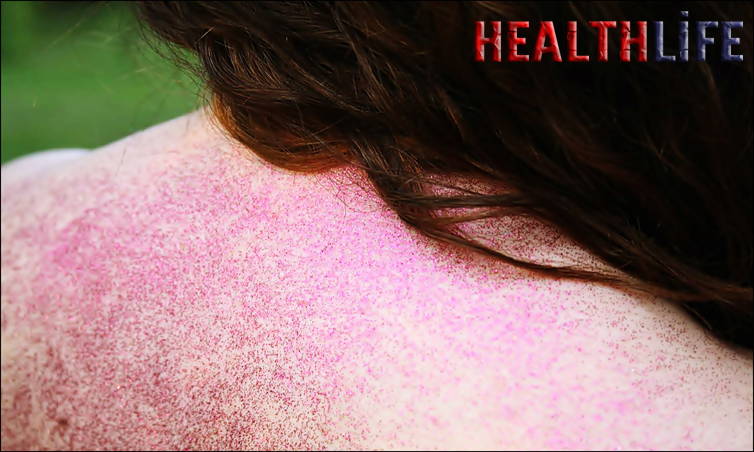
The exact cause of adult Still’s disease is unknown. However, it is thought that the disease is triggered by an infection and that people who are genetically predisposed are more likely to develop the disease. It is also widely thought that the disease is an autoimmune disorder. In this case, the immune system mistakenly triggers inflammation in the body. However, this is different from autoimmune disorders in which the immune system attacks healthy tissue. In patients, the reason why the body’s immune system triggers inflammation is not known. The main symptoms of adult Still’s disease are high fever, joint problems and a salmon pink spectral skin rash. You can reach more information about the symptoms of adult Still’s disease by continuing our article.
How to Treat Adult Still’s Disease?
Symptoms of Adult Still’s Disease
– Difficulty breathing,
– Inflamed or swollen lymph nodes,
– Unexplained weight loss,
– Abdominal pain,
– Muscle pain,
– Hyperferritinemia,
– Elevated liver enzymes,
– Sore throat,
– Joint pain,
– Skin rash,
– Fever.
Symptoms of Liver Damage in Adult Still’s Disease
– Liver failure,
– Severe hepatitis,
– Jaundice,
– Pseudo-angiocolitis,
– Mild or severe cytolysis,
– Liver enlargement.
Fever is usually over 39 degrees and lasts less than 4 hours. It usually occurs suddenly, similar to an infectious disease, and the temperature can sometimes return to normal without antipyretic treatment. It often occurs before the onset of other symptoms. Skin rash is seen on the trunk and nearby limbs of most patients, and can sometimes last for weeks. Although joint pain is usually mild in the early stages of the disease, chronic, destructive, symmetrical polyarthritis may develop in later stages. If the infection does not go away for 6 months, carpometacarpal joint arthrosis may occur. Carpal ankylosis may occur in patients over the years.
Compared to normal values, a fivefold increase in serum ferritin levels should raise suspicion of adult Still’s disease. However, a fivefold increase in serum ferritin levels is not always seen in adult Still’s disease patients. Other symptoms of the disease are nonspecific. Given the lack of specific disease symptoms, the clinical picture of patients diagnosed with adult Still’s disease may differ. Rarely, the liver or spleen may become enlarged in patients. Tissues surrounding major organs such as the heart and lungs may also become inflamed. One of the rare complications of this disease is macrophage activation syndrome, which can sometimes lead to life-threatening inflammation. Signs and symptoms of adult Still’s disease can mimic those of other disorders, including lupus, a type of cancer, and lymphoma. Since mild or severe enlargement of cervical lymph nodes is also common in these patients, lymphoma is considered a differential diagnosis.
How is Adult Still’s Disease Treated?
The primary goal of treating adult Still’s disease is to control symptoms and prevent organ damage, joint inflammation, and medication side effects. For most patients, anti-inflammatory agents are the basis of the treatment plan. Treatments usually consist of immunosuppressive medications. When steroids are used, other medications may be used to protect against possible side effects of steroids, including infection, stomach ulcers, and weak bones. Immunosuppressive medications, which prevent the immune system from attacking healthy tissue, may also be prescribed. Some patients need to continue taking medications to keep inflammation under control even after symptoms have stopped.
How to Reduce Adult Still’s Disease Symptoms?
Stress can worsen the symptoms of the disease. Regular sleep, relaxation techniques, talk therapy, and counseling can help patients manage their mental health. Learning and practicing joint protection techniques and taking adequate breaks from physical activity during the day can help reduce stress on joints. In addition to exercise, a nutritious and balanced diet can help people control their weight, improve their energy levels, and reduce fatigue. Exercise and staying active can help maintain range of motion in joints and keep muscles strong. It can reduce stress on joints because it helps a person maintain a moderate weight.
What Causes Adult Still’s Disease Severe adult Still’s disease is life-threatening, with heart, liver, or blood clotting problems that require aggressive treatment. A comprehensive evaluation and regular follow-up with a rheumatologist are necessary for diagnosis. If you have questions about our article on what causes adult still’s disease, you can ask us in the comments section or on our social networks. You can share our page on what causes adult still’s disease with your friends so that they can be informed, and you can inform your friends about our article on what causes adult still’s disease.
For your questions and complaints, you can write to us in the comments section. We are trying to help you with all your problems.
Our other recommendation link that may attract your attention; What Are The Symptoms Of Rickets?