Does Food Spoil? The spoilage process of food is a natural phenomenon and can be affected by various factors. Spoilage of food generally occurs due to the activities of microorganisms (bacteria, yeast, mold, etc.) or the influence of external factors. In this article, I will explain the causes of food spoilage and how we can take precautions.
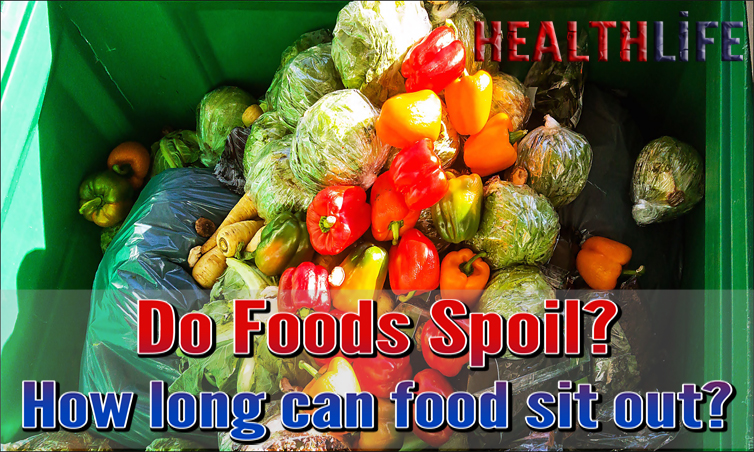
First, microorganisms play a major role in food spoilage. Bacteria multiply by consuming nutrients and secrete their metabolic waste in the process. These wastes change the structure of foods and cause them to deteriorate. Yeasts can also contribute to food spoilage through fermentation. Molds, on the other hand, can cause symptoms such as color changes, loss of flavor and toxin production on foods. A second factor in the spoilage of food is oxidation. Oxidation occurs as a result of nutrients coming into contact with air. For example, the brown color of a cut apple when it comes into contact with air is a result of the oxidation process. Fats are also very susceptible to oxidation and can spoil with a bad odor and taste.
It is possible to take some precautions to prevent food spoilage. First, it is important to pay attention to hygienic conditions and store food correctly. Keeping food at the appropriate temperature slows down the proliferation rate of microorganisms. We can also use vacuum packaging or airtight containers to reduce food exposure to air. Antioxidants can be used to prevent oxidation of some nutrients. For example, antioxidants such as vitamin C can delay the oxidation of fruits and vegetables. Food spoilage is a natural process and is caused by factors such as the activities of microorganisms and oxidation. However, we can prevent food spoilage by providing appropriate storage methods and hygienic conditions. Therefore, storing and consuming our food correctly keeps us fresh and safe for longer.
What are the factors that cause food spoilage?
In our daily life, storing and consuming food correctly is of great importance for our health. However, keeping food fresh and safe can sometimes be a challenging task. There are various factors that contribute to food spoilage, and being aware of these factors is a critical step in maintaining the quality and nutritional value of food.
The first factor is; microorganisms. Microorganisms such as bacteria, yeast and mold are the most common factors in food spoilage. While these microorganisms consume nutrients found in foods, they can also produce unpleasant odors and tastes. Factors that promote the growth of microorganisms include appropriate temperature, humidity and pH level.
The second factor is; oxidation. Fats and vitamins in foods are exposed to oxygen when they come into contact with air, which triggers the oxidation process. Oxidation reduces the nutritional value of foods by causing color and taste changes. Especially fatty foods are more prone to oxidation and can spoil quickly.
The third factor is; light. Sunlight degrades some compounds in food and reduces the quality of food. Especially sensitive ones such as dairy products, oils and beer can easily spoil when exposed to light. Therefore, it is important to store such foods in a dark and closed environment.
The fourth factor is temperature. Heat can accelerate the deterioration of food. While high temperatures support the proliferation of microorganisms, low temperatures can change the structure of foods, causing loss of taste and texture. Keeping food at the appropriate temperature slows down the spoilage process and preserves the freshness of food.
Finally, hygienic conditions also affect the spoilage of food. Unclean kitchen equipment, dirty hands or contaminated surfaces can cause microorganisms to contaminate food. Therefore, it is important to comply with hygienic standards and cleanliness should be observed when preparing and storing food. Factors affecting food spoilage include microorganisms, oxidation, light, temperature and hygienic conditions. Being aware of these factors, storing and consuming foods correctly and preventing spoilage are vital for a healthy life.
Proper Food Storage Methods: The Secret to Staying Fresh
Maintaining a fresh and nutritious diet is important for our health. However, sometimes it can be difficult to preserve fresh foods we buy from the market for a long time. Using correct food storage methods is critical to preserving their freshness and nutritional value. Many people store all their food in the refrigerator, thinking it will keep everything fresh. However, some foods should not be stored in the refrigerator. For example, starchy vegetables such as potatoes and onions should be stored in a cool, dry place. This will prevent them from germinating and spoiling quickly.
Appropriate storage conditions for various fruits and vegetables vary. Some should be kept in the refrigerator, while others keep better at room temperature. For example, tomatoes lose their taste in the refrigerator, so it is better to store them at room temperature. On the other hand, it is recommended to keep green leafy vegetables such as cucumber and spinach in the refrigerator. It is also important to wrap and package food correctly. Cutting off contact with air can delay spoilage. For example, storing opened cheese in an airtight container preserves its freshness. It is also important to organize foods suitable for freezer storage in separate packages. So you can easily access it whenever you need it.
Another point to remember is expiration dates. The secret to staying fresh is to pay attention to the expiration date of the products you will consume and consume them first. Consuming old and spoiled food can put our health at risk. Knowing the correct storage methods for food is vital for a healthy and fresh diet. Wrapping, wrapping and storing foods properly helps preserve their freshness and nutritional value. Also, we must not forget that each food has different storage conditions. With these simple but effective tips, we can keep our food fresher for longer and lead a healthy lifestyle.
Adverse Effects of Spoiled Food on Health
Nutrition is an issue of great importance for human health. However, today, consumption of processed and spoiled foods has become widespread. This may cause negative effects on health. It is known that consumption of spoiled foods can lead to a number of health problems in the long term.
First, consumption of spoiled foods can cause digestive system problems. Spoiled or contaminated food can cause digestive disorders such as nausea, vomiting, and diarrhea. Such situations can negatively affect a person’s daily life and reduce their energy level. In addition, harmful substances contained in spoiled foods may pave the way for the emergence of chronic diseases in the long term. For example, consumed bad fats can lead to cardiovascular diseases, while infections resulting from microbial contamination can weaken the immune system. Additionally, some spoiled foods may contain carcinogenic substances and increase the risk of cancer.
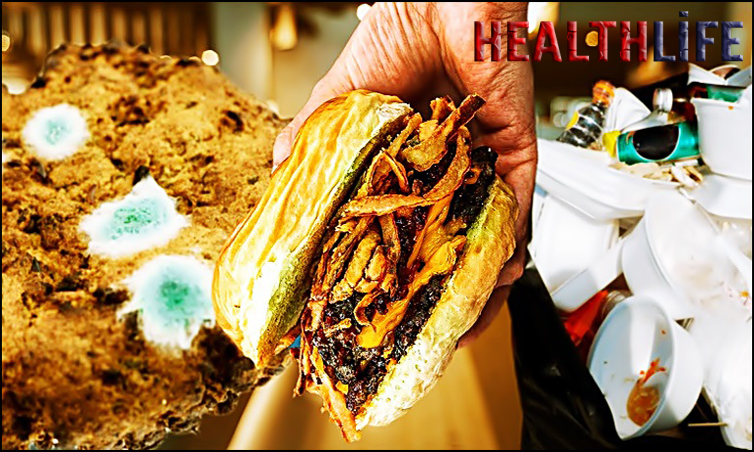
Spoiled foods can also cause loss of nutritional value. The nutritional properties of fresh and natural foods decrease or disappear with the spoilage process. This may result in a lack of minerals, vitamins and other nutrients that the body needs. Nutrient deficiencies can lead to health problems and contribute to a weakened immune system. Consuming spoiled food can cause negative effects on health. It can affect the digestive system, predispose to the emergence of chronic diseases, cause loss of nutritional values and have negative effects on the immune system. Therefore, it is important for our health to pay attention to the foods we consume and choose fresh and hygienic ones.
Expiration Date or Consumption Date? When Does Food Spoil?
Having information about the spoilage time and consumability of foods is important for a healthy diet. However, sometimes the terms on labels can be confusing. It is very important to understand the difference between expressions such as expiration date and consumption date. The expiration date indicates the expiry date of a product, determined by the manufacturer, which may become a health risk. Once this date has passed, the food item may be rotten or spoiled and consuming it may cause health problems. After the expiration date, it is safe not to consume the product.
On the other hand, the consumption date refers to the date when the nutrient is of the best quality. Once this date has passed, the flavor, color or texture of the product may deteriorate, but it may still be safe for health. After the consumption date, the quality of the food may decrease, so it is recommended to consume it within the period recommended by the manufacturer. The spoilage time of food varies depending on its type, storage conditions and processing methods. For example, fresh fruits and vegetables generally have a shorter shelf life, while canned or frozen foods can last longer. Additionally, you can extend the spoilage period with proper storage methods. Signs of food spoilage may include a bad odor, mold, color changes, a slimy coating or a sour taste. When these symptoms are observed, it is important to avoid consuming the food. Understanding the difference between expiration date and consumption date is important in determining when foods have spoiled and can be safely consumed. Before consuming foods, it is necessary to carefully read the instructions on the labels and observe signs of spoilage to protect our health.
In the content of our article about Does Food Spoil, you can find practical information about whether the foods we prepare spoil and share it with your friends and inform them about our page.
For your questions and complaints, you can write to us in the comments section. We are trying to help you with all your problems.
Our other recommendation link that may attract your attention; How Long Does Balsamic Vinegar Last?